English
- English
- Afrikaans
- беларускі
- Hrvatski
- lugha ya Kiswahili
- ქართული
- Кыргыз тили
- Монгол хэл
- IsiXhosa
- Somali
- O'zbek
- Hawaiian
- Հայերեն
- Español
- Português
- русский
- Français
- 日本語
- Deutsch
- tiếng Việt
- Italiano
- Nederlands
- ภาษาไทย
- Polski
- 한국어
- Svenska
- magyar
- Malay
- বাংলা ভাষার
- Dansk
- Suomi
- हिन्दी
- Pilipino
- Türkçe
- Gaeilge
- العربية
- Indonesia
- تمل
- ελληνικά
- український
- فارسی
- български
- ລາວ
- Latine
- Қазақша
- Azərbaycan
- Македонски
- Lietuvos
- Română
- Srpski језик
Intop's Custom Delivery of a Juice Production Line in Uganda
The project's past
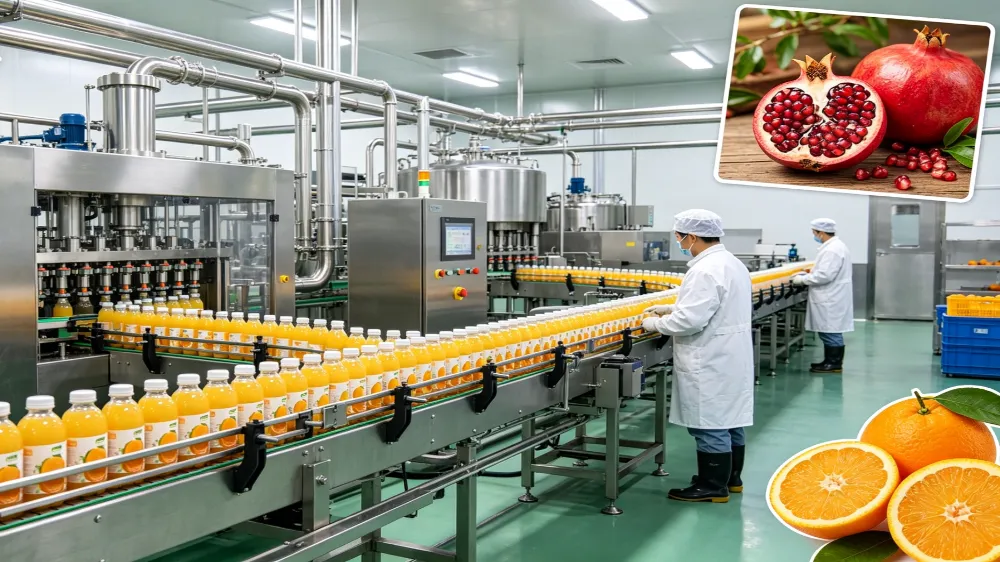
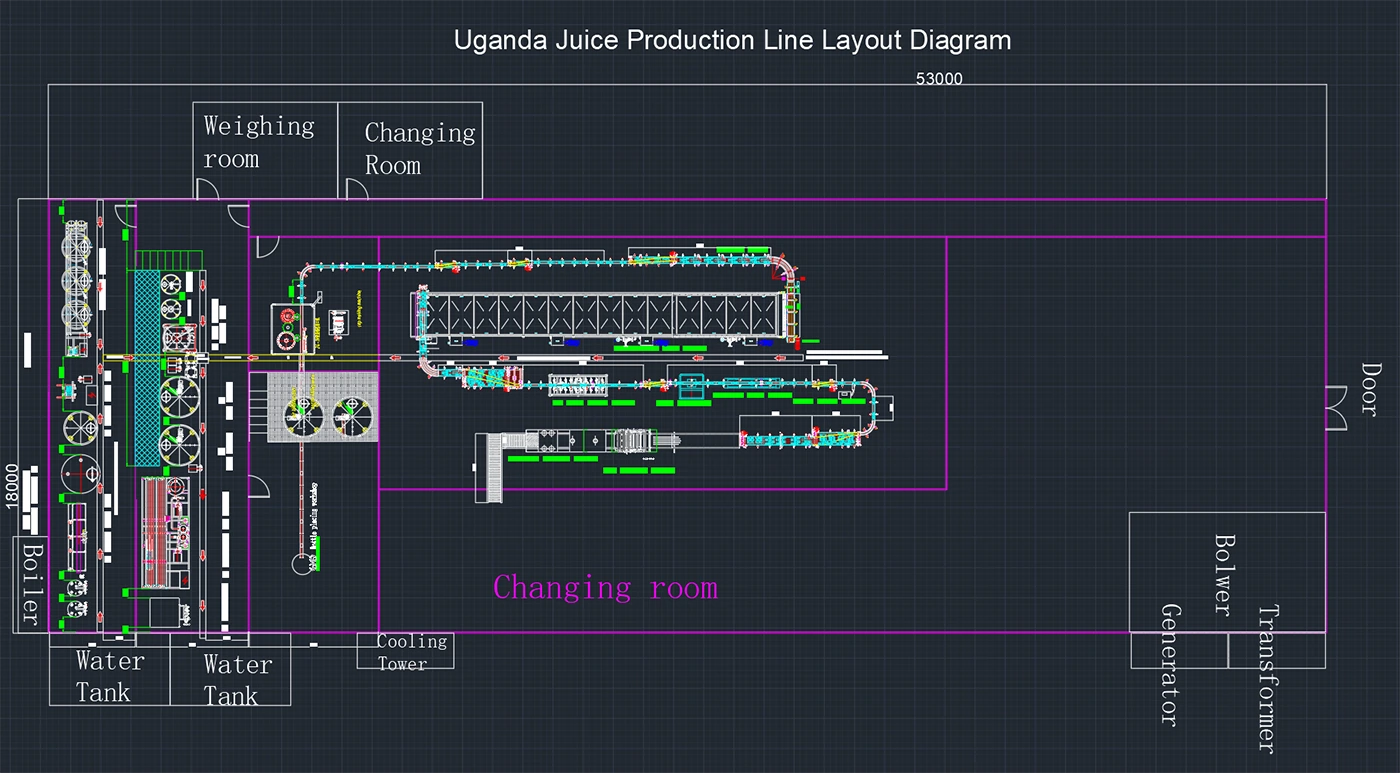
A beverage company in Uganda needed to make more of its products. They needed a juice production line that could make about 3 tons of juice per hour and had steps for treating the water, preparing the ingredients, homogenizing, sterilizing, filling, coding, drying, and capping. The client wanted a design that was very automated, used little energy, was easy to clean, and could handle changes in the power and water supply. Intop was hired to design the whole line, supply the equipment, set it up and get it running, train employees, and help customers after the sale.
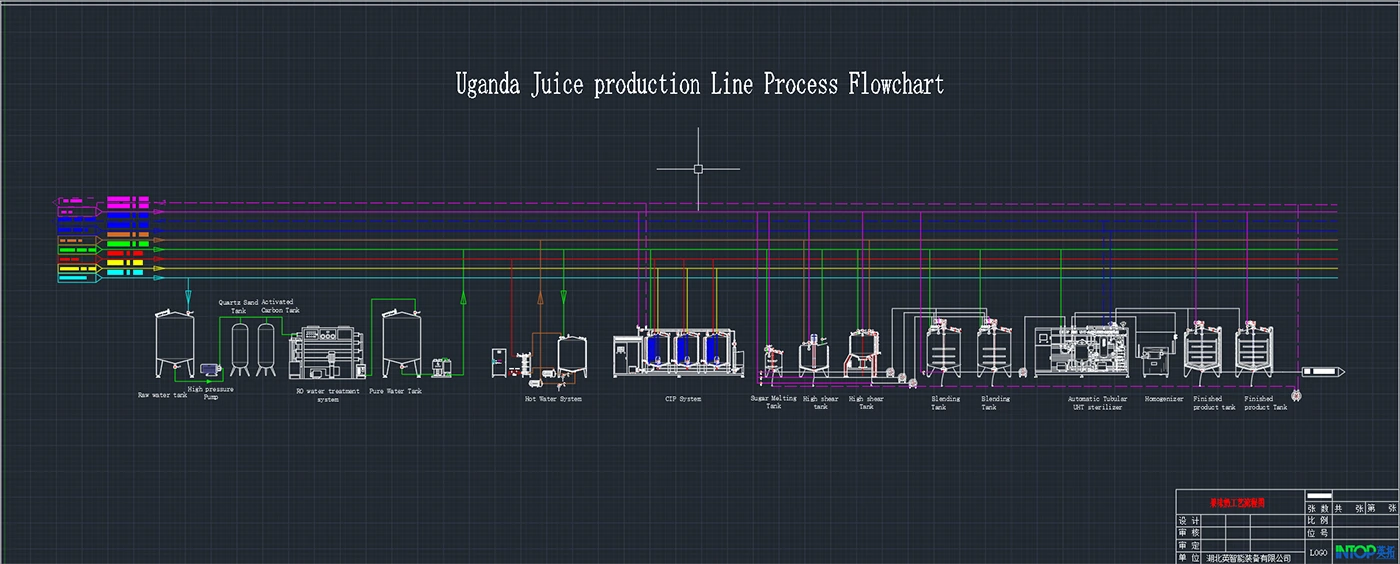
Tools and Answers
1. Water Treatment (4 t/h): They sent a system for pretreatment, reverse osmosis, and deionization that automatically doses, monitors residual chlorine online, and softens water. We added buffer tanks and extra filter cartridges to help with changes in the water.
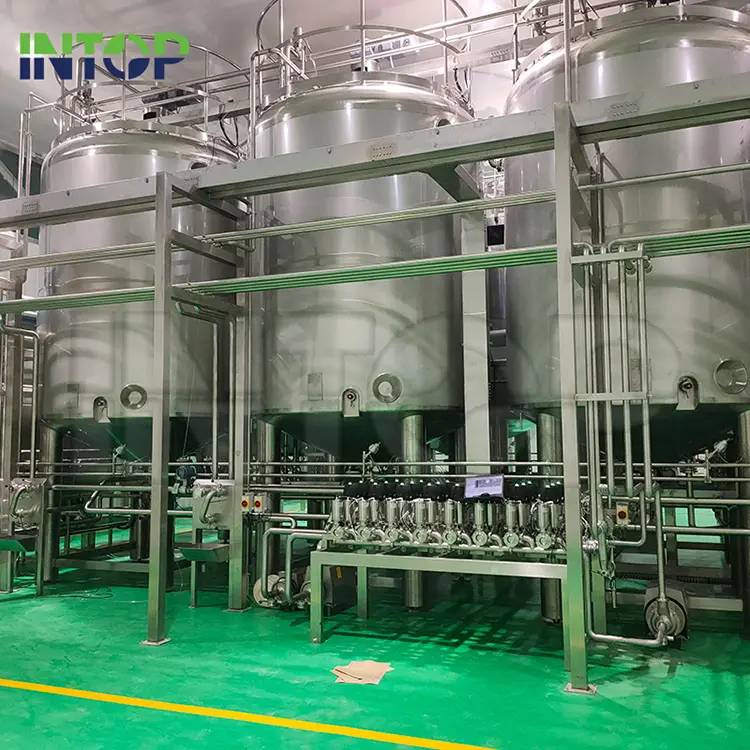
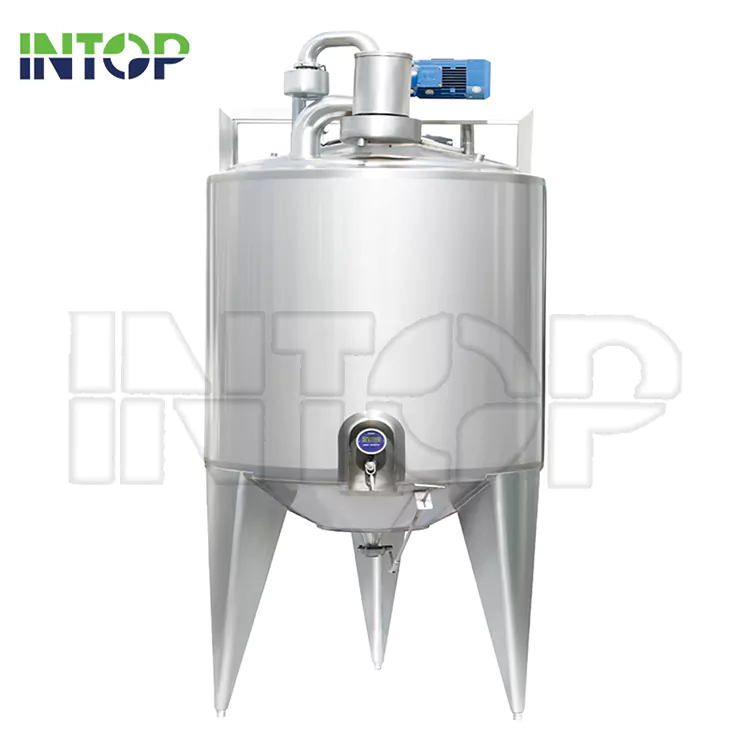
2. Mixing and Homogenization: Provided two jacketed mixing tanks, an emulsifying/homogenizing tank, and a tubular homogenizer. Systems support weight-based dosing and automatic batching to keep the product's quality the same.
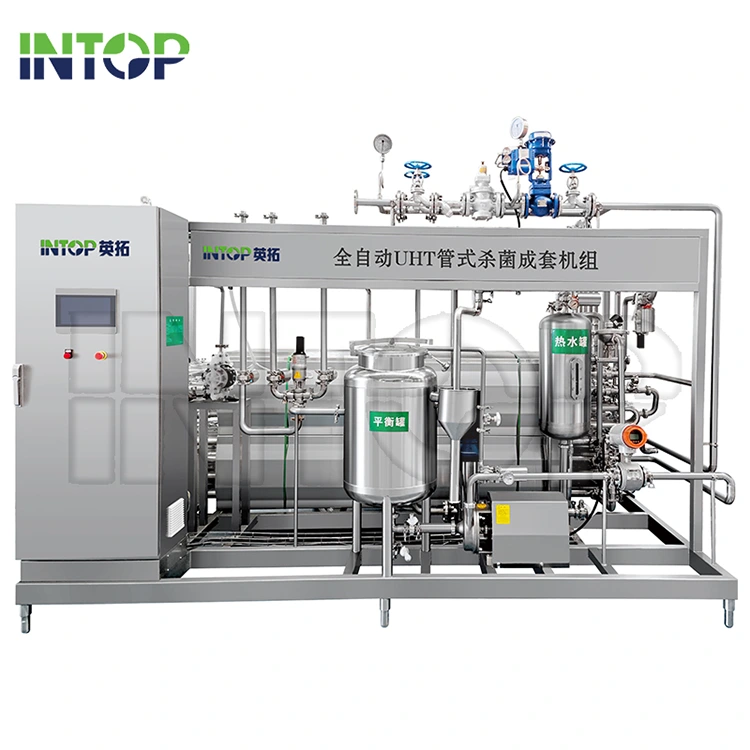
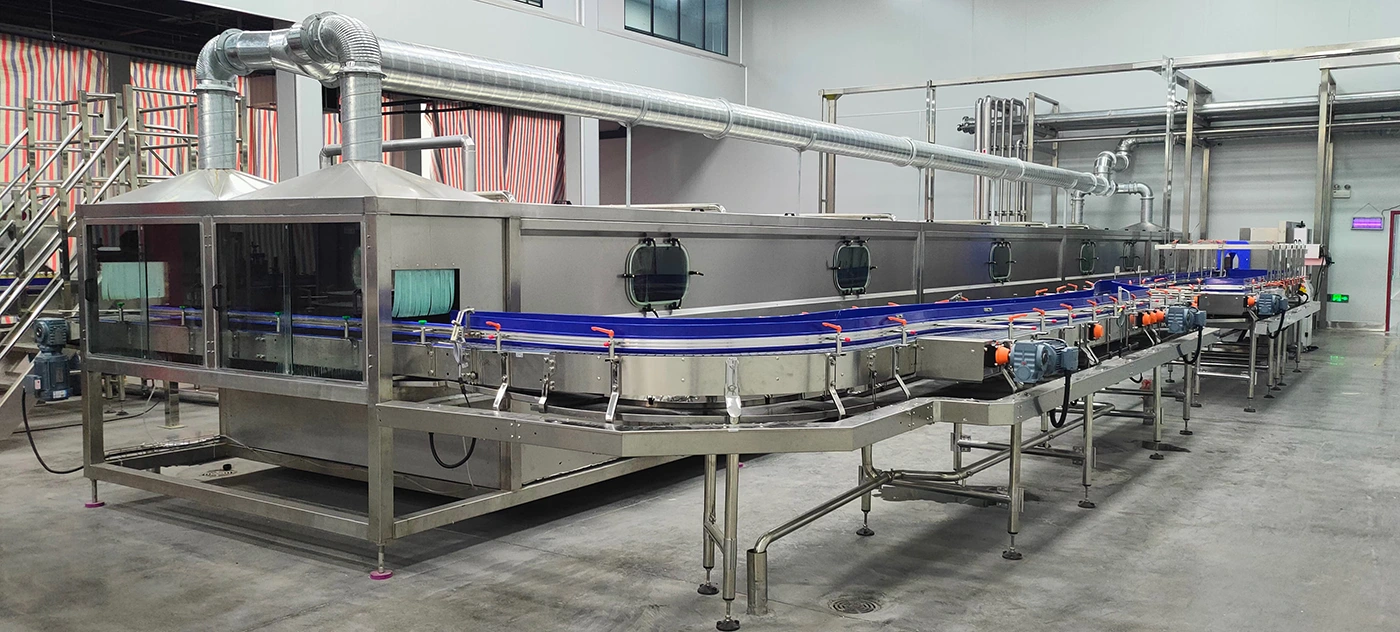
3. Sterilization: Used a combination of tubular UHT and pasteurization tunnel with precise temperature control, automatic cleaning, and CIP capability to meet the needs for shelf-life and post-packaging sterilization.
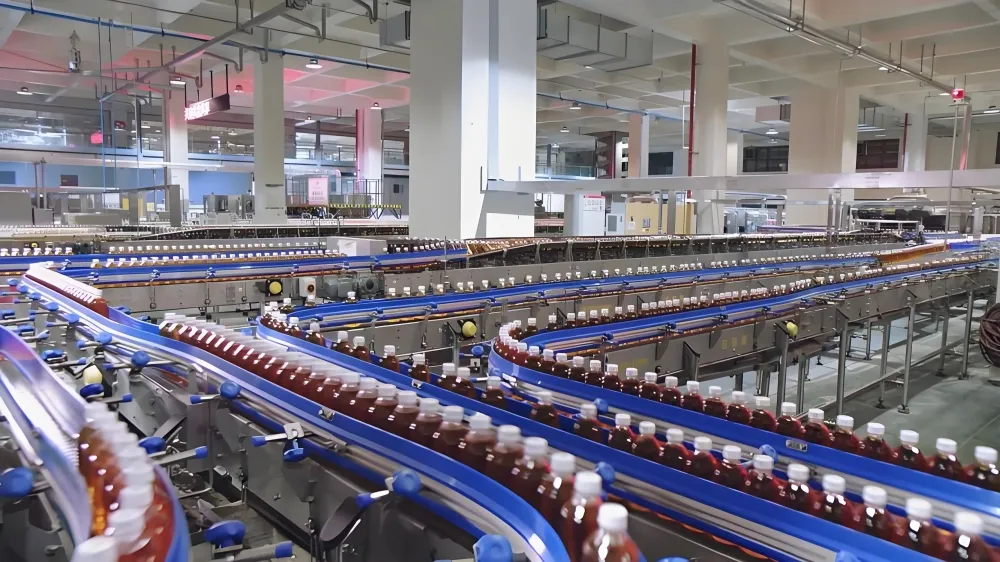
4. Filling and Packaging: They had a three-in-one rinse-fill-cap machine, a metering table, a laser coder, a blow dryer, and a conveyor. The filler is made in a way that keeps things clean, lets you change the motor speed, and lets you change the mold quickly.
Putting it into action and getting people to agree to it
Intop sent a project manager and an engineering team to set up the system according to GMP and do sequential commissioning. This meant testing out different recipes and bad conditions to make standard operating procedures. A test run with a third-party lab that lasted 72 hours found two problems: the labeling-conveyor synchronization and the cooling efficiency. The PLC pacing logic and cooling airflow were both improved and checked again.
Training and Customer Service
Gave operators and maintenance workers a week of hands-on training and testing. Set up 24/7 remote support, quarterly inspections on site, and a one-year warranty on core parts. Also, make a list of spare parts that are recommended.
Results and Conclusion
The line worked well, with a throughput of about 3 tons per hour within three months of starting up. The microbiological and sensory metrics were at or above the standards. Automation increased, the demand for labor decreased by approximately 30%, and both production efficiency and waste rates improved. The project made the client better at what they do and gave them a better chance to compete. It's a great example of a successful project in Intop's African portfolio. You can contact Intop's project team for more information about specs or plans to copy.
Previous :
-