English
- English
- Afrikaans
- беларускі
- Hrvatski
- lugha ya Kiswahili
- ქართული
- Кыргыз тили
- Монгол хэл
- IsiXhosa
- Somali
- O'zbek
- Hawaiian
- Հայերեն
- Español
- Português
- русский
- Français
- 日本語
- Deutsch
- tiếng Việt
- Italiano
- Nederlands
- ภาษาไทย
- Polski
- 한국어
- Svenska
- magyar
- Malay
- বাংলা ভাষার
- Dansk
- Suomi
- हिन्दी
- Pilipino
- Türkçe
- Gaeilge
- العربية
- Indonesia
- تمل
- ελληνικά
- український
- فارسی
- български
- ລາວ
- Latine
- Қазақша
- Azərbaycan
- Македонски
- Lietuvos
- Română
- Srpski језик

How Does a Beverage Production Line Improve Manufacturing Efficiency?
Abstract
A beverage production line is the backbone of modern drink manufacturing, directly influencing product quality, operational efficiency, and long-term profitability. From raw material handling to filling, packaging, and final inspection, each stage must be precisely coordinated to meet growing market demand and strict safety standards. This article provides a comprehensive overview of how a beverage production line works, common challenges faced by manufacturers, and practical solutions for improving productivity and consistency. It is designed to help decision-makers understand key considerations when planning, upgrading, or investing in a complete beverage production line.
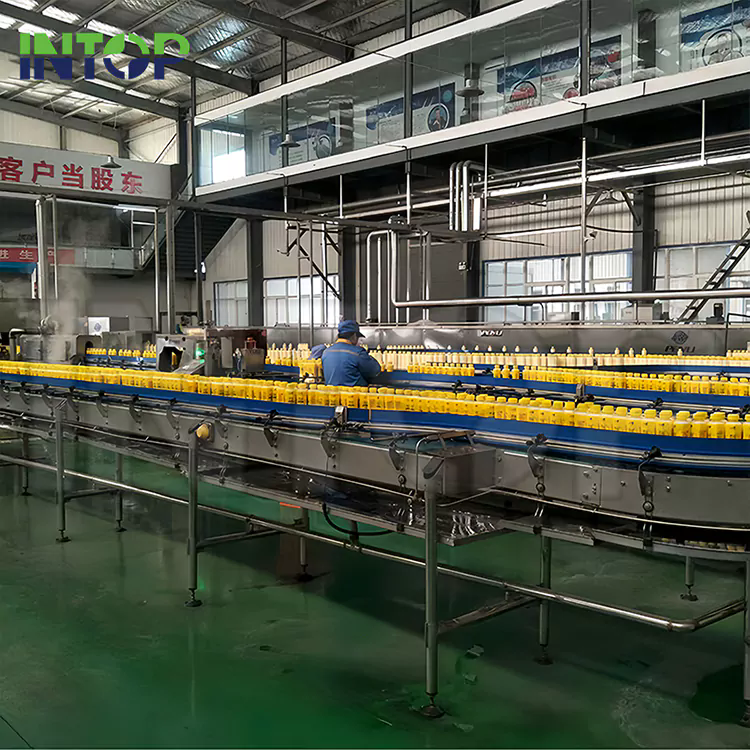
Table of Contents
- Outline
- Overview of a Beverage Production Line
- Common Manufacturing Pain Points
- Core Components and Workflow
- How Automation Enhances Efficiency
- Key Factors When Choosing a Production Line
- Typical Configuration Parameters
- Application Scenarios
- Frequently Asked Questions
- Conclusion and Business Value
Outline
- Definition and scope of a beverage production line
- Operational challenges in beverage manufacturing
- Main processing stages and equipment roles
- Efficiency, hygiene, and scalability considerations
- Guidelines for selecting a reliable solution provider
Overview of a Beverage Production Line
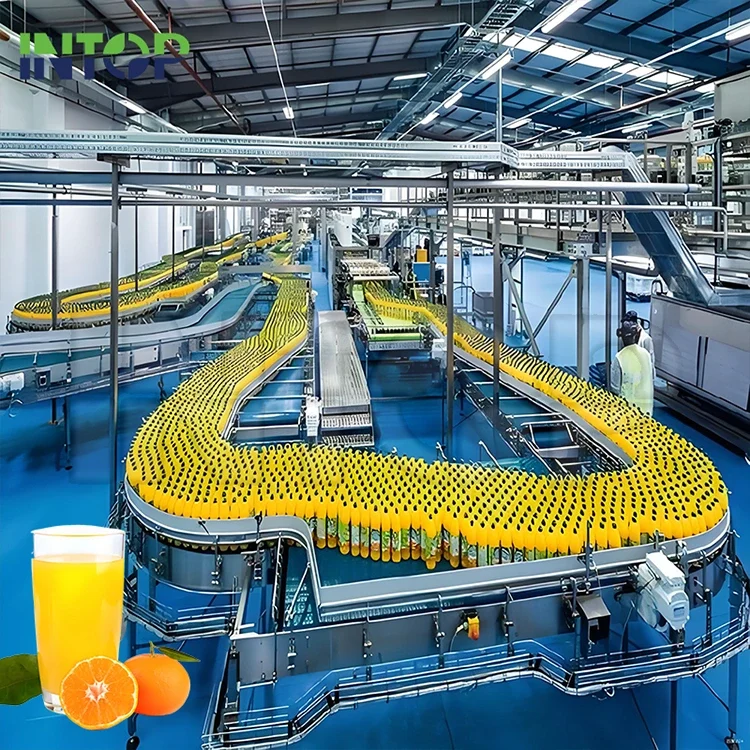
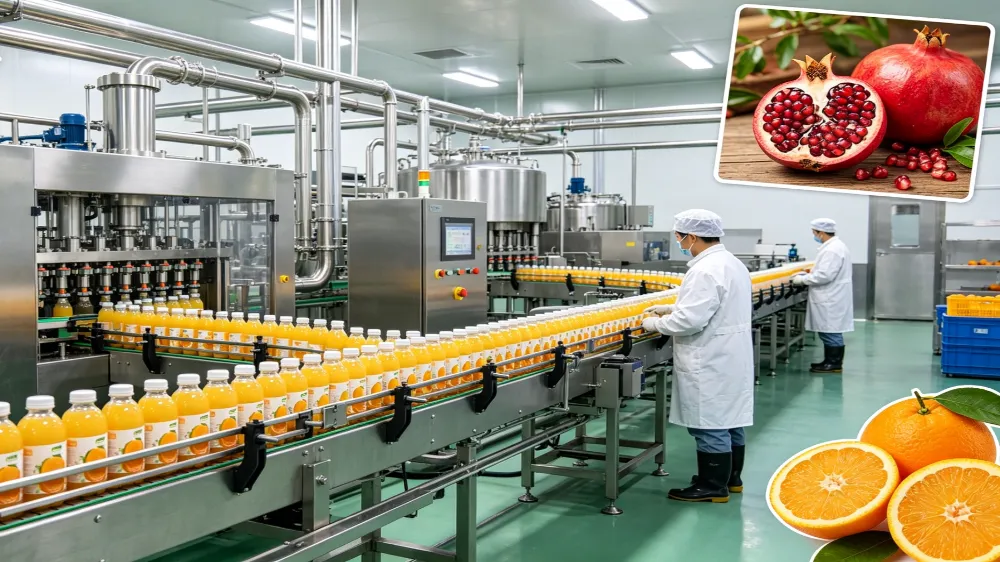
A beverage production line is an integrated system of machinery designed to process liquid products such as water, juice, carbonated drinks, tea, functional beverages, and dairy-based drinks. The line typically covers the full production cycle, including water treatment, ingredient mixing, sterilization, filling, capping, labeling, and secondary packaging.
Unlike standalone machines, a complete beverage production line focuses on system compatibility and continuous operation. Proper line design minimizes downtime, reduces manual intervention, and ensures stable output quality, even under high-capacity production conditions.
Common Manufacturing Pain Points
Many beverage producers encounter similar challenges when operating or expanding their facilities. Understanding these pain points is the first step toward improvement.
- Inconsistent product quality: Variations in filling accuracy, carbonation levels, or mixing ratios can affect taste and brand reputation.
- High labor dependency: Manual processes increase labor costs and introduce human error.
- Limited scalability: Outdated equipment may struggle to meet rising market demand.
- Hygiene and safety risks: Inadequate sanitation design can lead to contamination and regulatory issues.
- Energy and resource waste: Inefficient systems increase water, electricity, and raw material consumption.
Core Components and Workflow
A standard beverage production line is composed of multiple functional sections, each playing a critical role in overall performance.
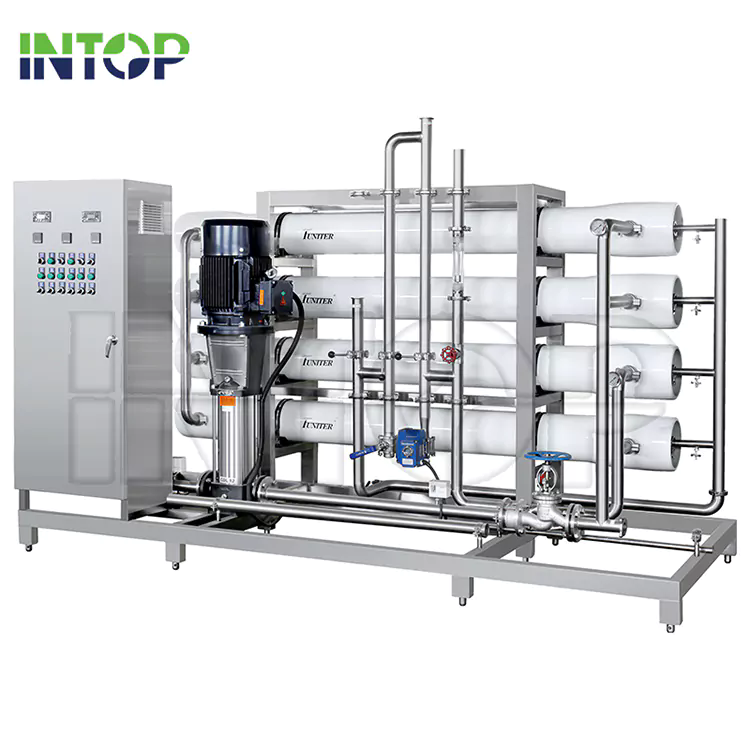
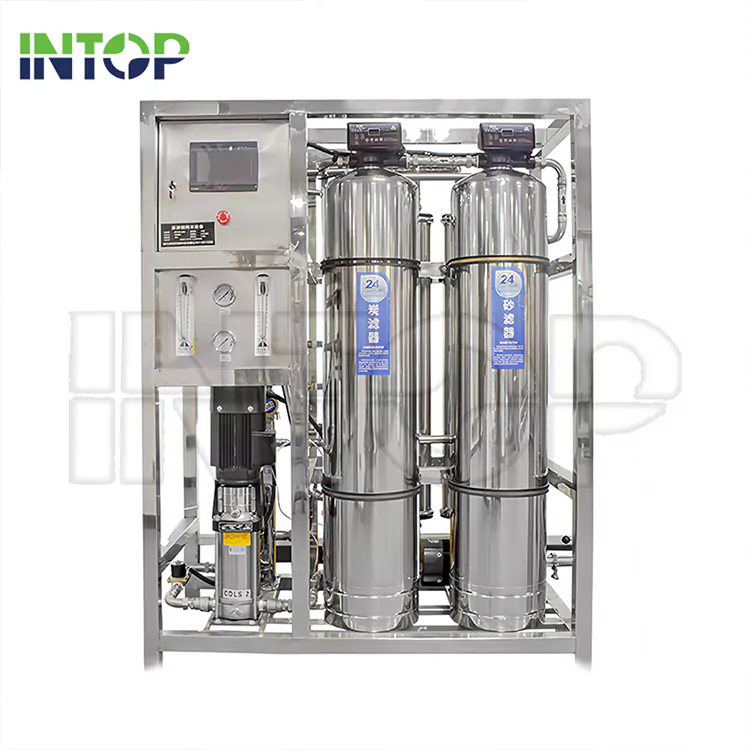
- Water treatment system: Removes impurities to ensure consistent water quality.
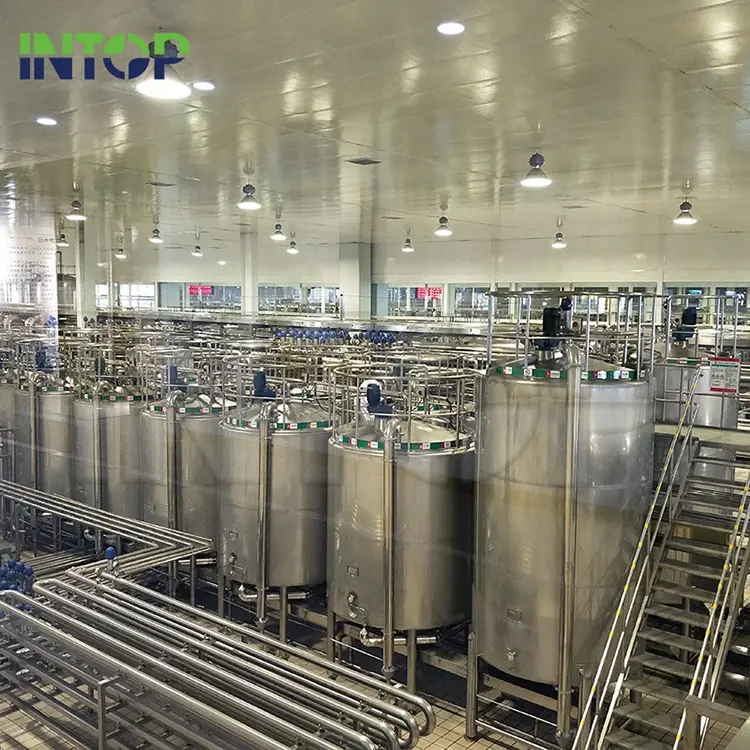
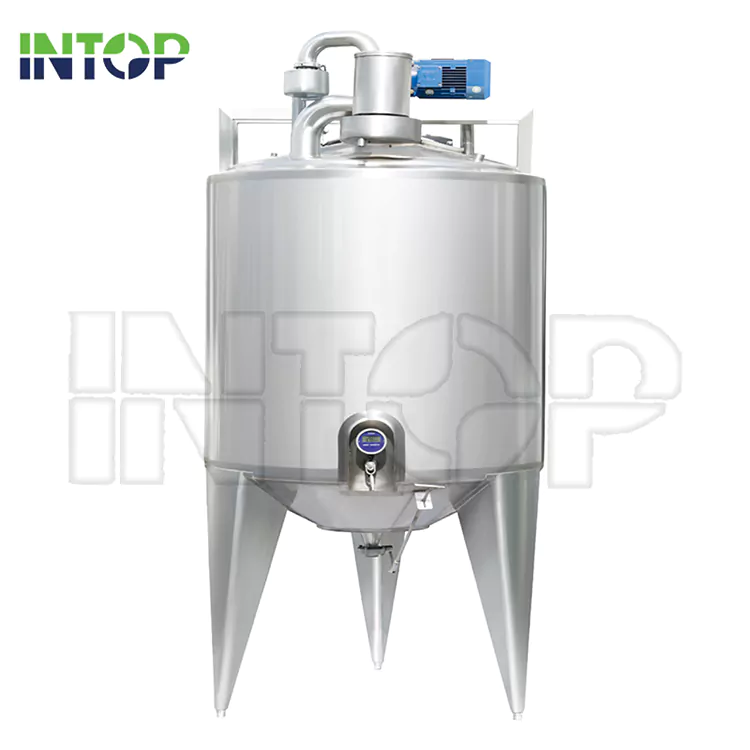
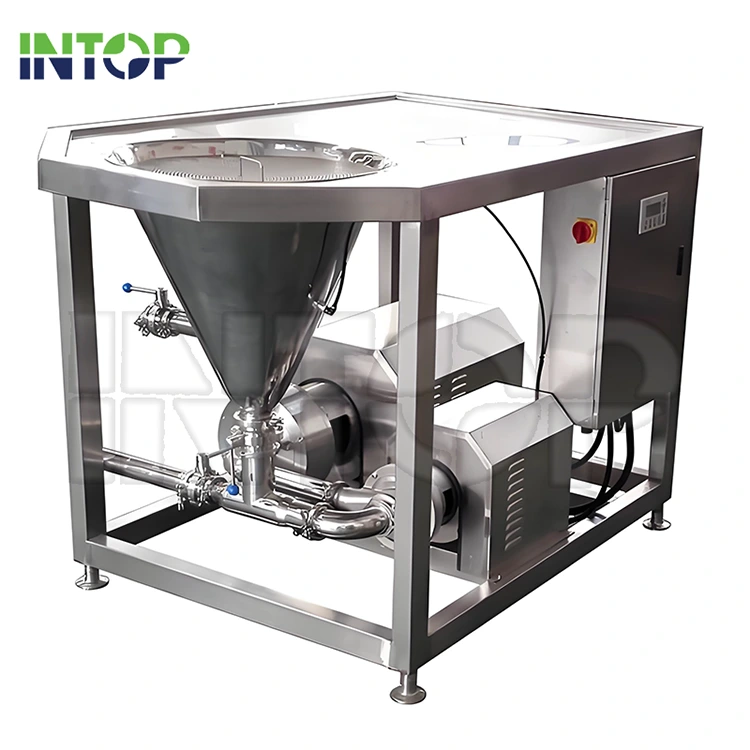
- Mixing and blending units: Accurately combine ingredients according to formulation requirements.
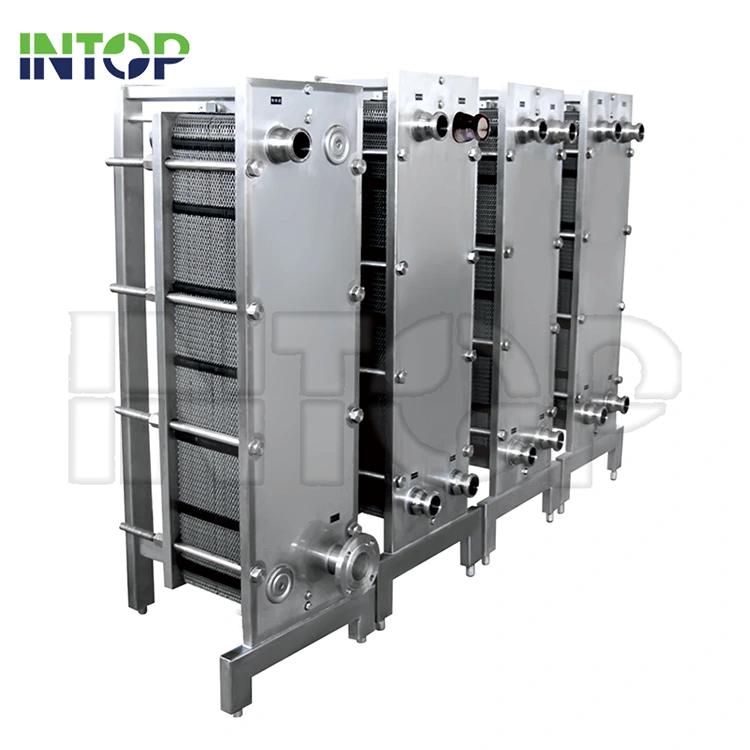
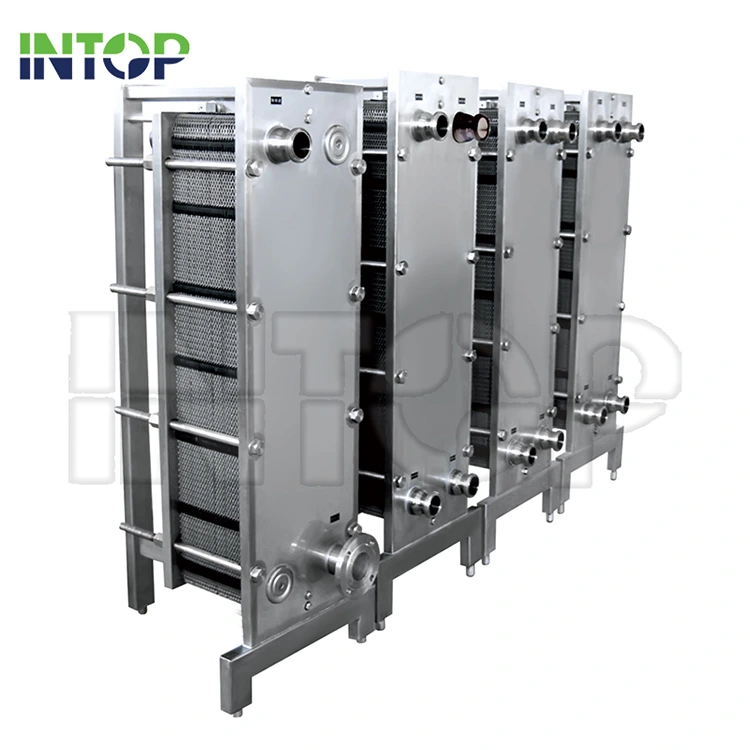
- Sterilization or pasteurization: Ensures microbial safety and extends shelf life.
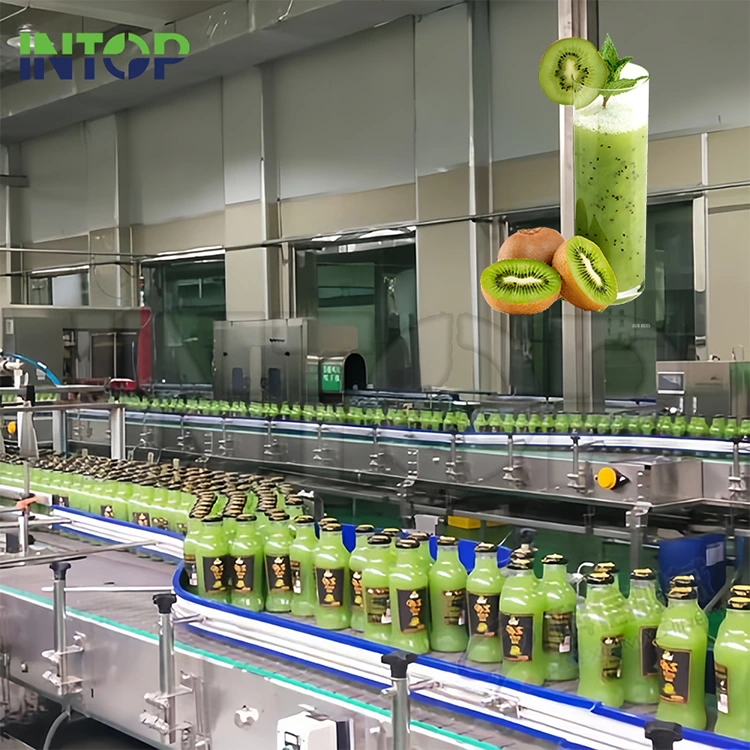
- Filling and capping machines: Deliver precise volume control and secure sealing.
- Labeling and packaging: Provide brand presentation and logistics protection.
- Inspection and quality control: Detects defects before products leave the factory.
When these components are synchronized within a single beverage production line, material flow becomes smoother and production interruptions are significantly reduced.
How Automation Enhances Efficiency
Automation is a defining feature of modern beverage production lines. Intelligent control systems monitor parameters such as temperature, pressure, and filling volume in real time. This allows manufacturers to maintain stable output while reducing reliance on manual supervision.
Automated lines also support rapid product changeovers, making it easier to produce multiple beverage types on the same line. This flexibility is especially valuable for brands with diversified product portfolios.
Key Factors When Choosing a Production Line
Selecting the right beverage production line requires a balance between technical performance and long-term operational goals. Key evaluation criteria include:
- Production capacity aligned with current and future demand
- Compatibility with different bottle or container formats
- Hygienic design and ease of cleaning
- Energy efficiency and sustainability performance
- After-sales service and technical support availability
A well-designed solution should not only meet present requirements but also allow for modular upgrades as business needs evolve.
Typical Configuration Parameters
| Parameter | Typical Range |
|---|---|
| Production Capacity | 2,000 – 36,000 bottles/hour |
| Applicable Beverages | Water, juice, carbonated drinks, tea |
| Container Types | PET bottles, glass bottles, cans |
| Automation Level | Semi-automatic to fully automatic |
| Control System | PLC with touch screen interface |
Application Scenarios
Beverage production lines are widely used across different industry segments, including:
- Commercial bottled water plants
- Carbonated soft drink factories
- Juice and functional beverage manufacturers
- Private label and OEM beverage production
Each application scenario may require customized configurations, reinforcing the importance of working with an experienced equipment supplier.
Frequently Asked Questions
What determines the output capacity of a beverage production line?
Output capacity depends on filling speed, container size, automation level, and overall line coordination. Optimized integration ensures stable high-volume production.
Can one beverage production line handle multiple product types?
Yes, with proper design and quick-change components, a single line can support different beverages and packaging formats, improving equipment utilization.
How important is hygiene design in beverage production?
Hygiene is critical. Sanitary materials, smooth surfaces, and effective cleaning systems help prevent contamination and ensure consistent product safety.
Conclusion and Business Value
A high-performance beverage production line is not just a collection of machines but a strategic investment that shapes product quality, operational stability, and market competitiveness. By addressing common pain points and adopting integrated, automated solutions, manufacturers can achieve higher efficiency and lower long-term costs.
INTOP provides complete beverage production line solutions tailored to diverse production needs. For manufacturers seeking reliable equipment and professional support, INTOP offers practical system designs and long-term service value—contact us today to explore how a customized beverage production line can support sustainable business growth.
Related News
- Tubular UHT Sterilizer Technology Advances Support the Growth of Aseptic Beverage Processing
- What Makes a Strawberry Juice Production Line Efficient, Safe, and Ready for Commercial Scale?
- Bottled Water Production Line: 10 Factors Before Investment
- How to Build a Juice Production Line That Handles Multiple Fruit Types
- What It Takes to Scale an Energy Drink Production Line for Global Demand
- How Does a Water Treatment System Work in a Beverage Production Line?
Leave me a message