
The beverage processing industry is undergoing continuous changes as manufacturers develop more diverse liquid products, including dairy beverages, fruit-based drinks, plant-based alternatives, and functional nutrition products. These changes are increasing the need for sterilization technologies that can provide consistent microbial control, stable product quality, and flexible production capabilities.
Among modern thermal processing technologies, Tubular UHT Sterilizer systems are becoming an important part of aseptic beverage production due to their ability to support continuous processing, controlled heat transfer, and integration with automated manufacturing systems.
Ultra High Temperature (UHT) processing uses precisely controlled heating and cooling procedures to reduce microbial activity while maintaining product characteristics. The technology is widely applied in liquid food production where shelf-life stability, safety requirements, and preservation of flavor or nutritional properties must be considered together. 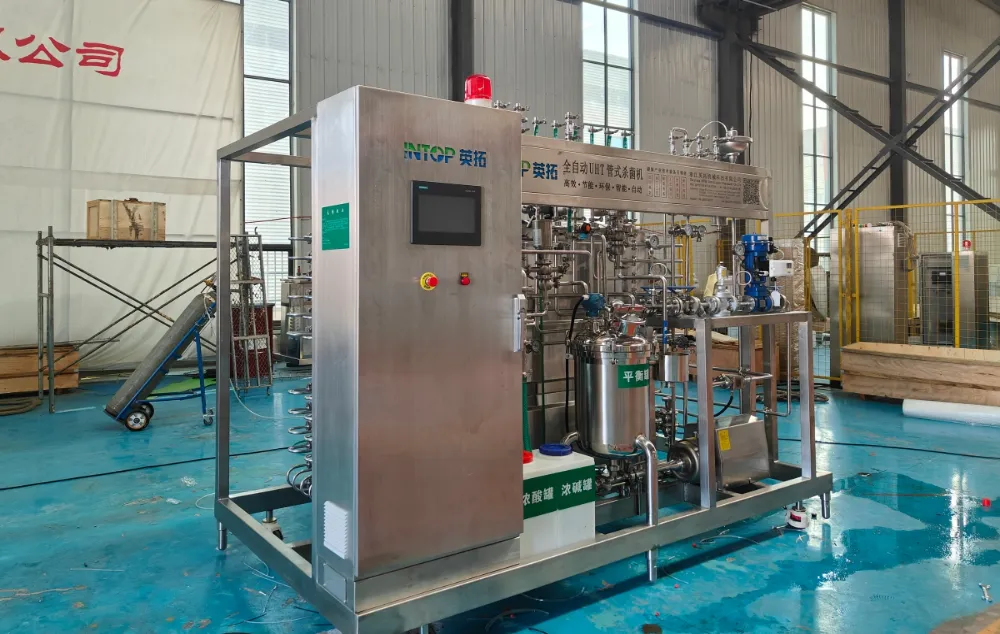
What Is a Tubular UHT Sterilizer?
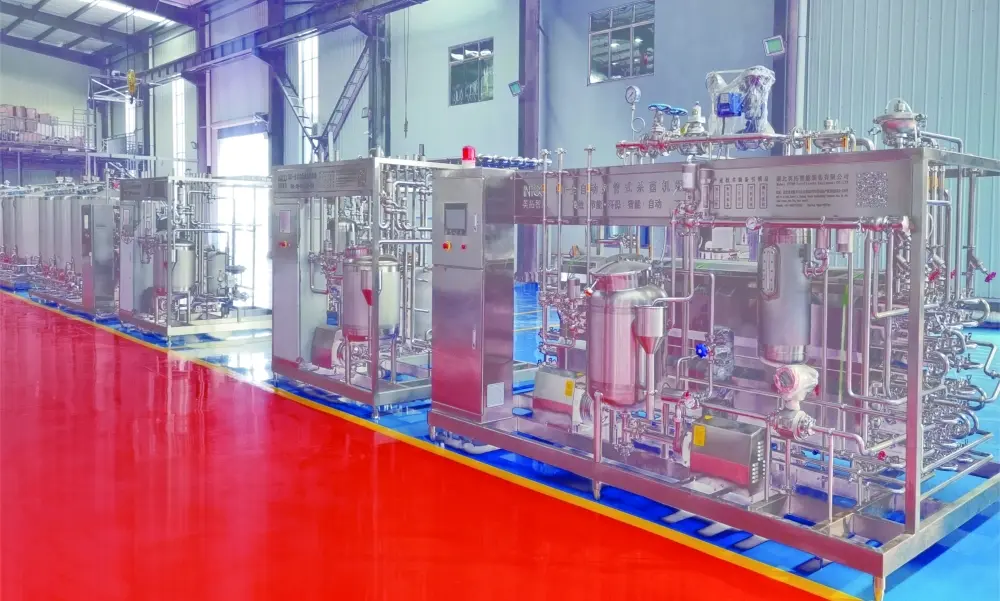
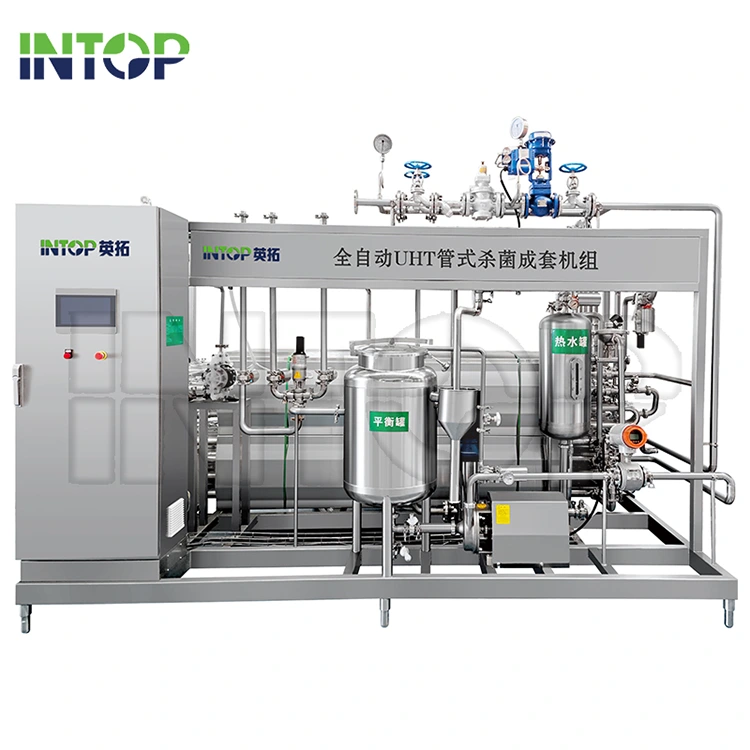
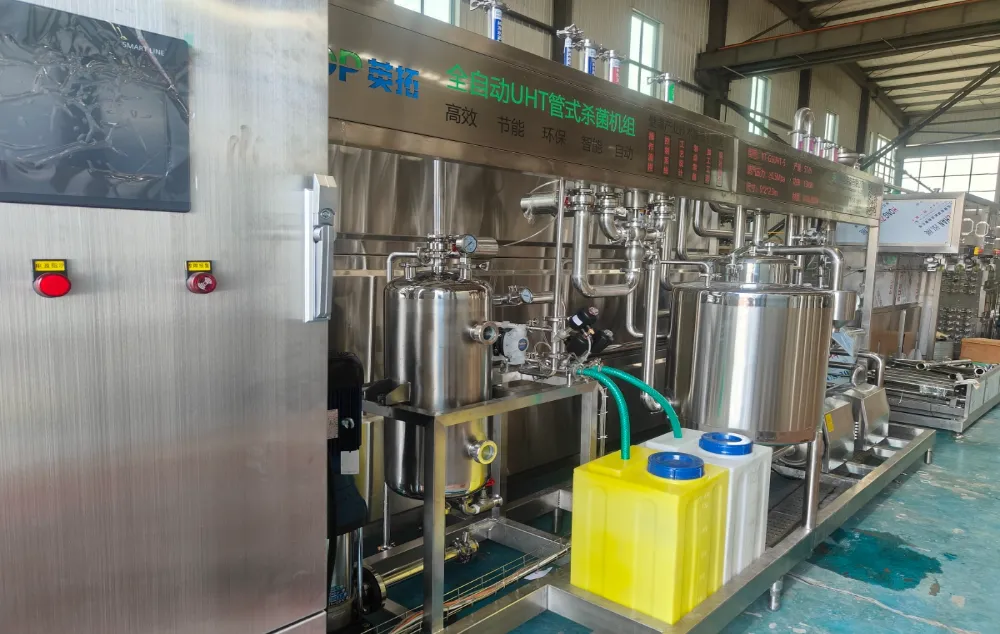
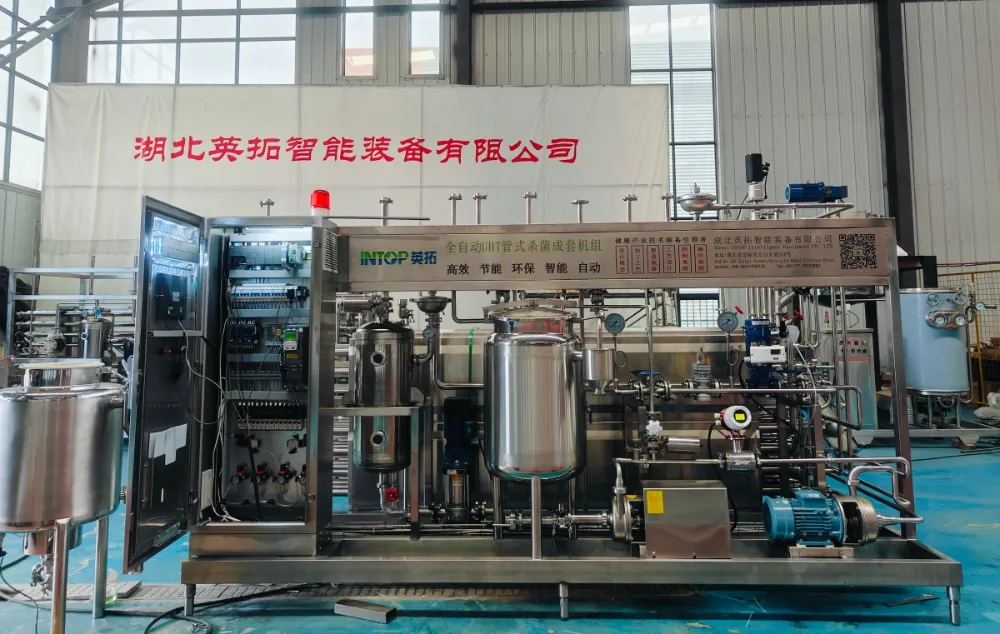
A Tubular UHT Sterilizer is a continuous thermal processing system designed to sterilize liquid products through controlled heat exchange inside tubular structures.
During operation, the beverage product flows through internal tubes while heating or cooling media circulate around the heat exchange surface. This indirect heat transfer method allows the product temperature to be increased and reduced within controlled conditions, helping achieve required sterilization performance while limiting unnecessary thermal impact.
Compared with batch sterilization processes, tubular UHT systems continuously process liquid products through defined temperature zones. This allows manufacturers to maintain more stable control over important parameters such as:
- Processing temperature
- Holding time
- Product flow rate
- Pressure conditions
- Cooling efficiency
These characteristics make tubular UHT technology suitable for industrial beverage applications where production consistency and process repeatability are essential.
Beverage Diversification Creates More Complex Processing Requirements
The expansion of beverage categories has introduced new challenges for thermal processing. Modern products often contain different ingredients with varying heat sensitivity, viscosity, and stability requirements.
For example, proteins in dairy and plant-based beverages may require careful temperature management, while fruit-based products may require additional consideration regarding flavor compounds, natural pigments, and oxidation sensitivity.
| Beverage Category | Processing Considerations |
|---|---|
| Dairy beverages | Require effective microbial reduction while maintaining nutritional characteristics |
| Fruit juice products | Need controlled thermal treatment to protect flavor and color stability |
| Plant-based beverages | Require suitable processing conditions for complex compositions and suspended components |
| Functional beverages | Need precise temperature management for sensitive nutritional ingredients |
As beverage formulations become more diverse, continuous sterilization systems need to provide greater flexibility to accommodate different product characteristics.
How Tubular UHT Sterilizer Technology Works in Industrial Processing
Tubular UHT sterilization relies on several interconnected technologies, including heat exchange, flow management, temperature control, and hygienic processing design.
Controlled Heat Transfer Performance
The efficiency of a tubular UHT system depends largely on the design of the heat exchange structure. Effective heat transfer allows products to reach sterilization temperatures within a controlled period while reducing unnecessary thermal exposure.
Factors influencing heat transfer performance include:
- Product viscosity
- Flow velocity
- Heat exchange surface design
- Temperature difference between product and heating medium
For different beverage formulations, these factors must be considered together to achieve stable processing results.
Automated Process Monitoring and Control
Modern food processing equipment increasingly integrates digital control systems to monitor production conditions in real time.
Parameters such as temperature curves, flow rates, pressure changes, and operating status can be recorded and analyzed through automated systems. This helps improve process visibility and supports more consistent production management.
The integration of automation technologies also enables easier connection between sterilization equipment and broader manufacturing management systems.
Hygienic Design and CIP Compatibility
Food safety requirements have a significant influence on sterilization equipment development. Tubular UHT systems are typically designed with considerations including:
- Food-grade stainless steel materials
- Optimized pipeline structures
- Reduced contamination risks
- Simplified cleaning procedures
Clean-in-Place (CIP) technology is an important part of modern beverage processing. By allowing internal cleaning procedures without complete equipment disassembly, CIP systems support hygienic operation and production efficiency.
Technical Factors Affecting Tubular UHT Processing Performance
The effectiveness of industrial UHT sterilization depends on multiple technical variables.
| Technical Factor | Influence on Processing |
|---|---|
| Sterilization temperature | Determines microbial reduction capability |
| Holding time | Influences treatment effectiveness and product quality |
| Flow rate | Affects residence time and heat transfer conditions |
| Product viscosity | Impacts pressure loss and thermal exchange efficiency |
| Particle content | Influences equipment configuration requirements |
| Cleaning procedures | Supports hygienic operation and long-term stability |
Understanding these factors helps beverage processors evaluate suitable sterilization approaches for different product categories.
Role of Tubular UHT Systems in Aseptic Packaging Production
Aseptic beverage processing is not limited to sterilization alone. It involves coordination between thermal treatment, hygienic handling, and packaging processes.
Tubular UHT systems are often integrated with aseptic filling lines to maintain product safety after sterilization. The connection between sterilization equipment and filling systems requires consistent control of:
- Product temperature
- Sterile transfer conditions
- Pipeline hygiene
- Production monitoring
This integrated approach helps manufacturers manage the complete processing chain from thermal treatment to final packaging.
Smart Manufacturing Trends in Food Processing Equipment
The development of Industry 4.0 technologies is influencing the design of modern food processing systems. Digital monitoring, automated control, and production data management are becoming increasingly important across the beverage industry.
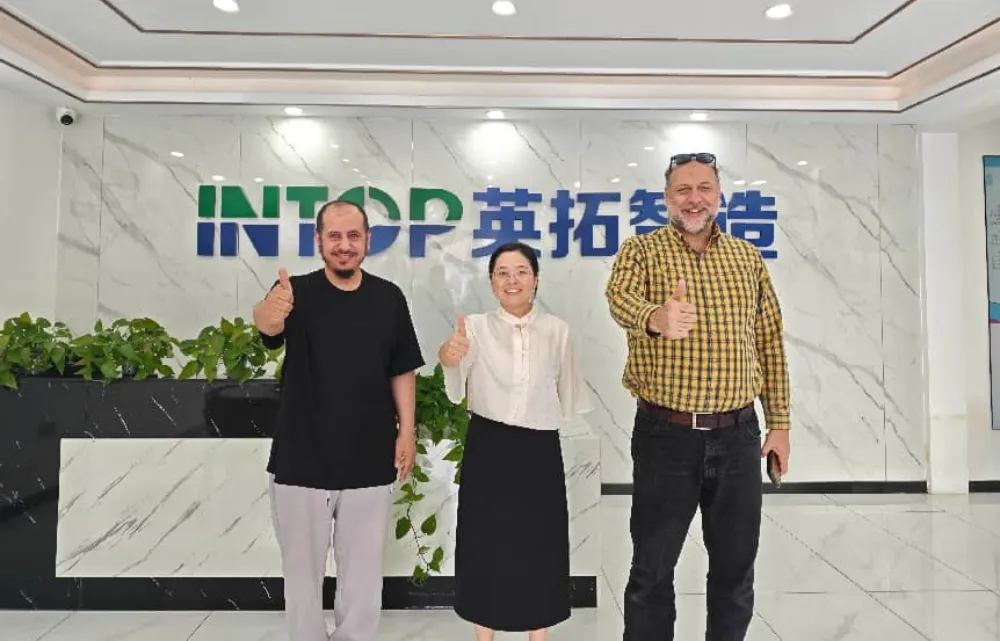
INTOP Machinery, based in Anlu, Hubei, develops industrial automation systems and food processing equipment while participating in the broader development of intelligent manufacturing technologies.
The company’s manufacturing activities include equipment design, component processing, welding, polishing, and system assembly. The application of CNC machining equipment, automated cutting technologies, and industrial control components reflects the wider transition toward more digitalized food production environments.
Future Development Trends of Aseptic Beverage Processing
As beverage products continue to diversify, sterilization technology is expected to develop around several key directions:
| Development Trend | Industry Impact |
|---|---|
| Intelligent process monitoring | Improves production transparency and operational control |
| Energy-efficient heat exchange | Helps reduce resource consumption during processing |
| Flexible equipment configuration | Supports different beverage formulations |
| Digital production records | Strengthens traceability and process management |
The future of aseptic beverage processing will depend not only on achieving microbial safety but also on improving flexibility, energy efficiency, and integration between processing equipment and digital manufacturing systems.
With continued development in heat exchange technology, automation, and hygienic processing design, Tubular UHT Sterilizer systems will remain an important technology area within modern liquid food production.