English
- English
- Afrikaans
- беларускі
- Hrvatski
- lugha ya Kiswahili
- ქართული
- Кыргыз тили
- Монгол хэл
- IsiXhosa
- Somali
- O'zbek
- Hawaiian
- Հայերեն
- Español
- Português
- русский
- Français
- 日本語
- Deutsch
- tiếng Việt
- Italiano
- Nederlands
- ภาษาไทย
- Polski
- 한국어
- Svenska
- magyar
- Malay
- বাংলা ভাষার
- Dansk
- Suomi
- हिन्दी
- Pilipino
- Türkçe
- Gaeilge
- العربية
- Indonesia
- تمل
- ελληνικά
- український
- فارسی
- български
- ລາວ
- Latine
- Қазақша
- Azərbaycan
- Македонски
- Lietuvos
- Română
- Srpski језик

How Does a Pasteurized Milk Production Line Work?
Summary: Pasteurized milk is a staple in households worldwide, and understanding the production process helps dairy producers improve efficiency, maintain quality, and ensure safety. This article explores the working principles, key components, advantages, and frequently asked questions regarding a modern pasteurized milk production line provided by Intop.
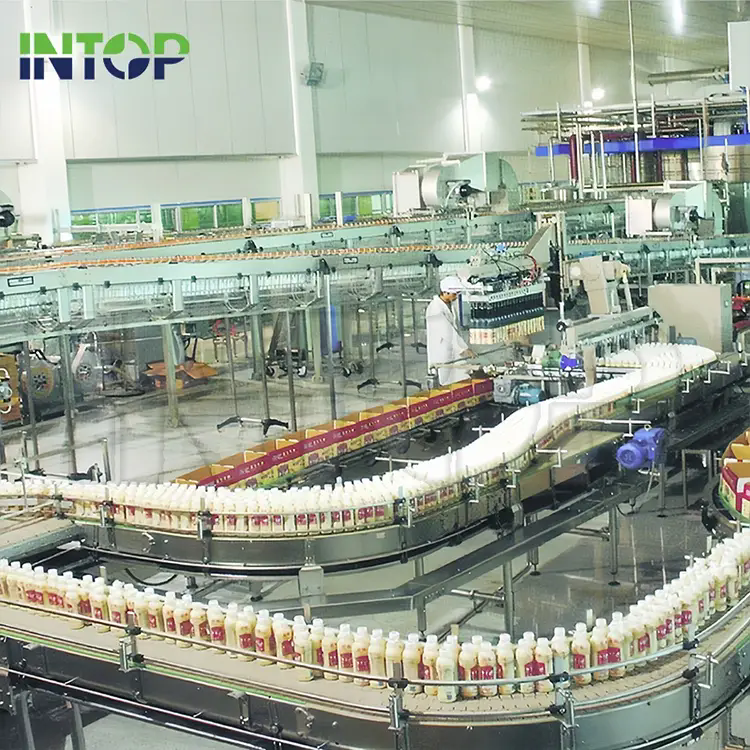
Table of Contents
- What is a Pasteurized Milk Production Line?
- How Does It Work?
- Why Pasteurization is Important
- Key Components of the Production Line
- Advantages of Using Intop’s Pasteurized Milk Line
- FAQ
What is a Pasteurized Milk Production Line?
A pasteurized milk production line is a fully integrated system designed for the processing of raw milk into safe, consumable pasteurized milk. It automates the cleaning, heating, homogenization, cooling, and packaging processes, ensuring consistent quality and hygiene standards. Intop’s production line is engineered for both efficiency and flexibility, making it suitable for small to large-scale dairy operations.
How Does It Work?
The pasteurization process involves several critical steps. Here is a clear breakdown:
- Raw Milk Reception: Fresh milk is delivered and stored in a chilled tank to maintain quality.
- Filtration: Milk is filtered to remove impurities and debris.
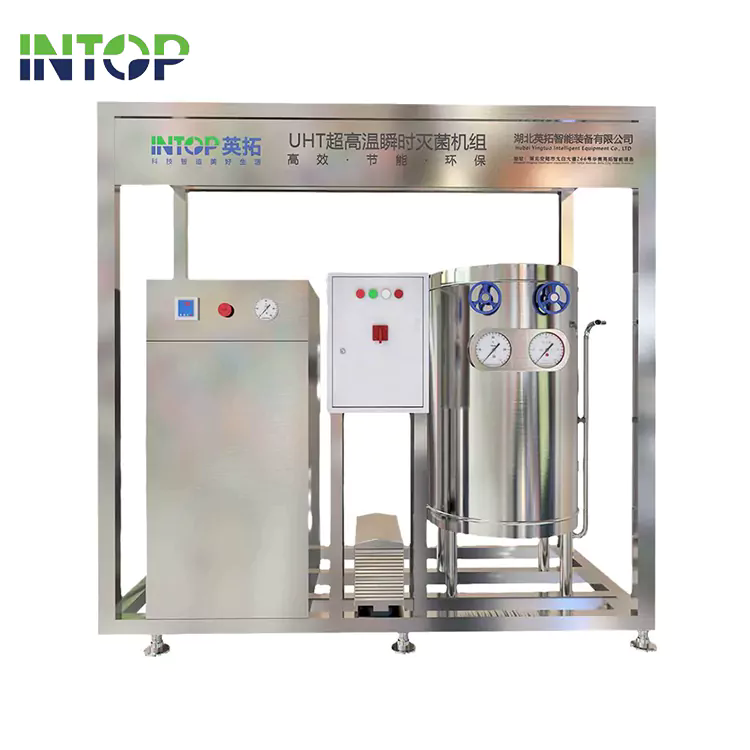
- Pasteurization: Milk is heated to a specific temperature (typically 72°C for 15 seconds) to kill harmful bacteria.
- Homogenization: Fat molecules are broken down to improve texture and consistency.
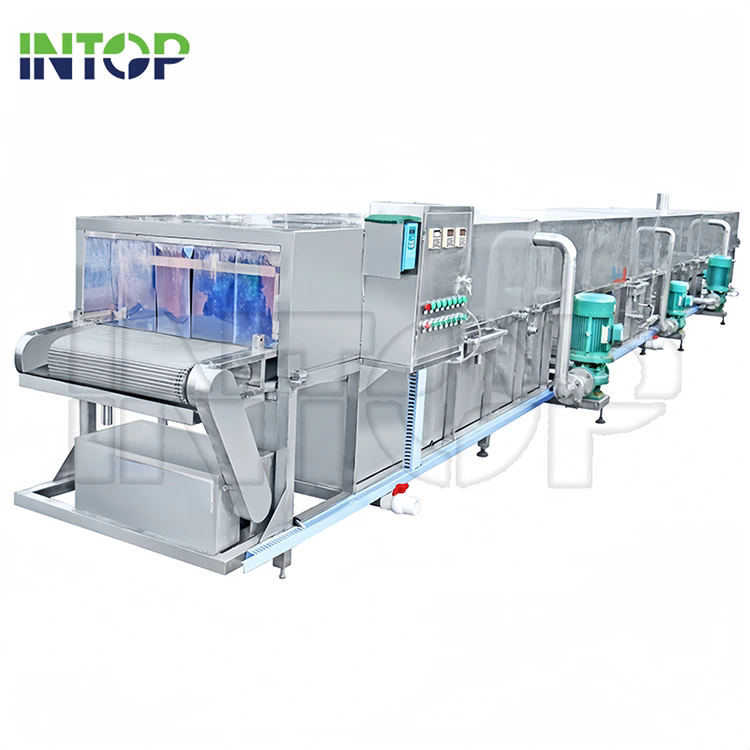
- Cooling: Milk is rapidly cooled to 4°C to prevent bacterial growth.
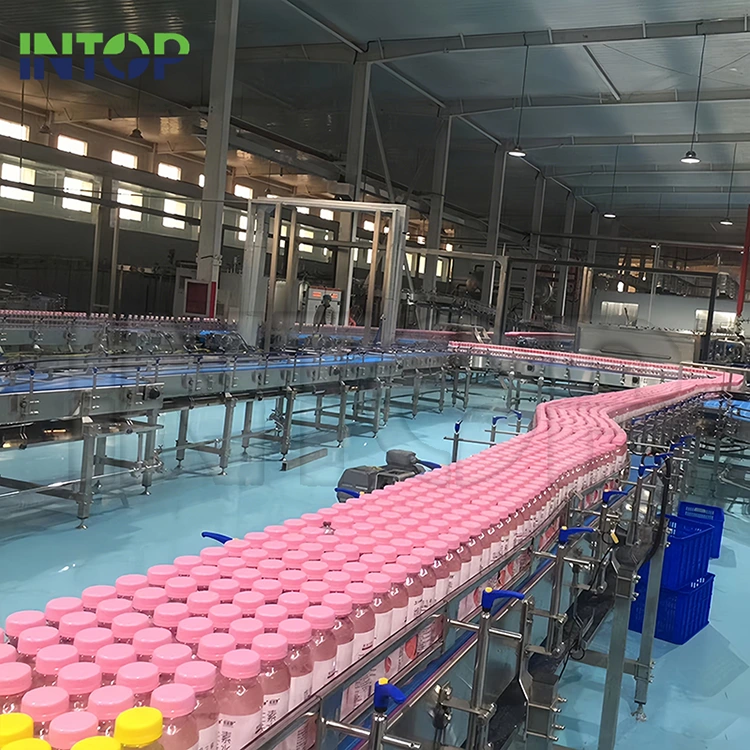
- Packaging: Milk is filled into cartons, bottles, or pouches in a hygienic environment.
Below is a simplified workflow table for reference:
| Step | Temperature | Duration | Purpose |
|---|---|---|---|
| Pasteurization | 72°C | 15 sec | Kill harmful bacteria |
| Homogenization | 65°C | Variable | Ensure uniform milk texture |
| Cooling | 4°C | Immediate | Preserve freshness and safety |
Why Pasteurization is Important
Pasteurization is essential for:
- Food Safety: Eliminates pathogens such as Salmonella, E. coli, and Listeria.
- Extended Shelf Life: Reduces spoilage, allowing milk to last longer in stores and homes.
- Consumer Confidence: Guarantees that the milk is safe to consume without altering taste or nutrition significantly.
Using a complete production line from Intop ensures that every step is controlled and monitored, minimizing contamination risks and improving overall product quality.
Key Components of the Production Line
Understanding the essential parts of the production line helps optimize operation:
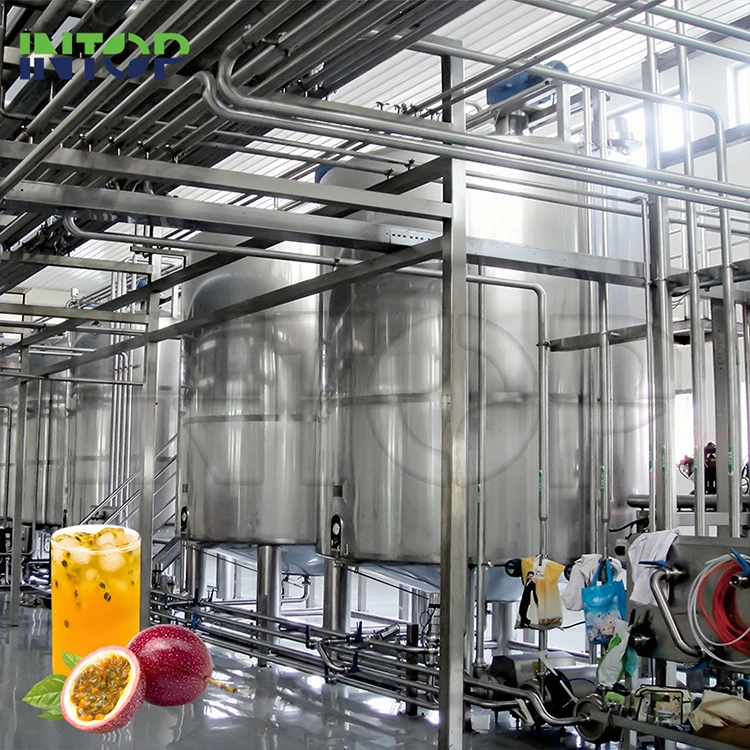
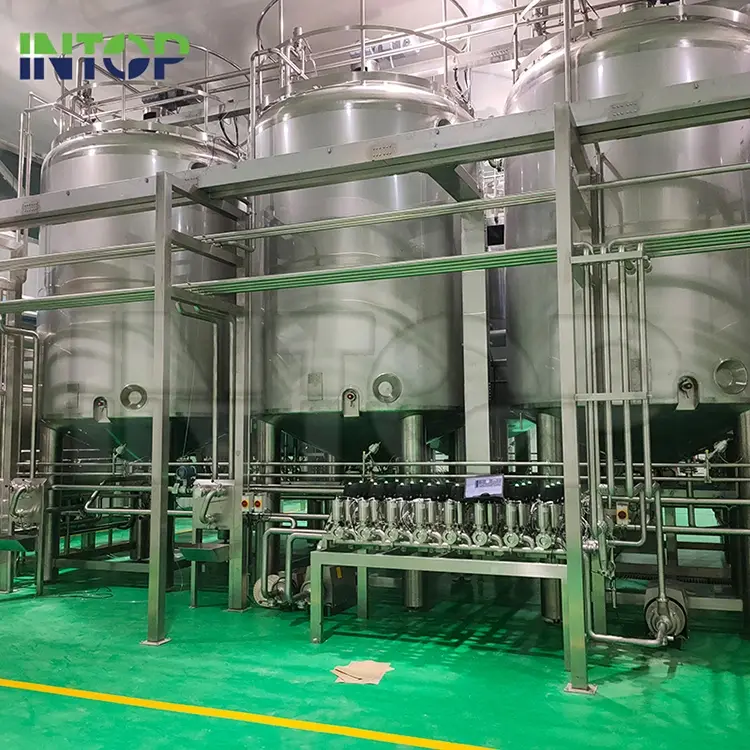
- Milk Reception Tank: Stores raw milk safely before processing.
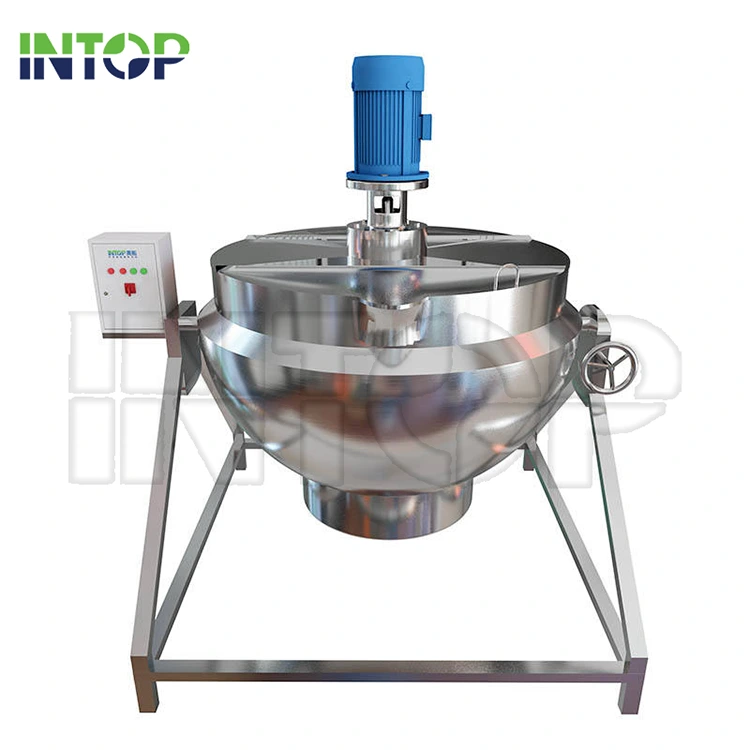
- Heat Exchanger: Facilitates rapid heating and cooling during pasteurization.
- Homogenizer: Breaks down fat globules for uniform consistency.
- Cooling System: Ensures rapid temperature reduction post-pasteurization.
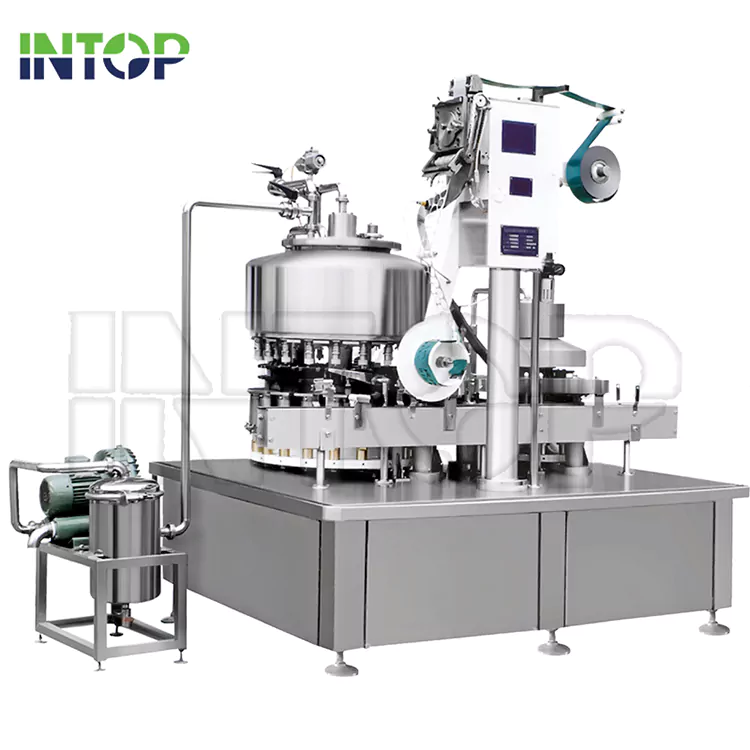
- Filling and Packaging Machine: Automates hygienic packaging into various formats.
Advantages of Using Intop’s Pasteurized Milk Line
Intop’s pasteurized milk production line provides multiple benefits for dairy businesses:
- High Efficiency: Automated system reduces labor costs and processing time.
- Consistent Quality: Precise temperature and timing controls ensure uniform pasteurization.
- Hygienic Design: Stainless steel construction prevents bacterial growth and eases cleaning.
- Scalable Solutions: Suitable for small farms to large industrial dairies.
- Energy Saving: Optimized heating and cooling systems reduce energy consumption.
FAQ
Q1: Can the Intop production line handle flavored milk?
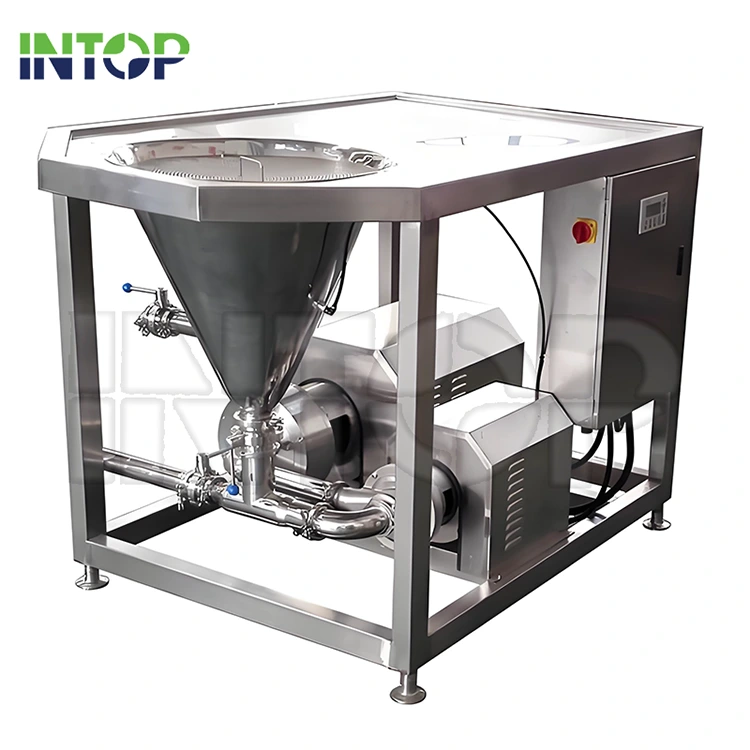
A1: Yes, the line can be customized with mixing units for flavored or fortified milk.
Q2: What is the typical production capacity?
A2: Depending on configuration, Intop lines can process 1,000 to 10,000 liters per hour.
Q3: How do I maintain the machinery?
A3: Regular cleaning, lubrication, and scheduled inspections are recommended. Intop provides detailed operation manuals and technical support.
Q4: Is the line compliant with food safety standards?
A4: Yes, Intop production lines are designed to meet international dairy safety regulations and standards.
Choosing the right pasteurized milk production line is crucial for ensuring product quality, safety, and efficiency. Intop offers reliable, high-performance equipment that meets diverse production needs. For more details or to request a quotation, contact us today and elevate your dairy production process.
Previous :
Related News
- What Makes a Strawberry Juice Production Line Efficient, Safe, and Ready for Commercial Scale?
- Bottled Water Production Line: 10 Factors Before Investment
- How to Build a Juice Production Line That Handles Multiple Fruit Types
- What It Takes to Scale an Energy Drink Production Line for Global Demand
- How Does a Water Treatment System Work in a Beverage Production Line?
- How to Choose a CIP System for Multi-Product Beverage Production Lines
Leave me a message