English
- English
- Afrikaans
- беларускі
- Hrvatski
- lugha ya Kiswahili
- ქართული
- Кыргыз тили
- Монгол хэл
- IsiXhosa
- Somali
- O'zbek
- Hawaiian
- Հայերեն
- Español
- Português
- русский
- Français
- 日本語
- Deutsch
- tiếng Việt
- Italiano
- Nederlands
- ภาษาไทย
- Polski
- 한국어
- Svenska
- magyar
- Malay
- বাংলা ভাষার
- Dansk
- Suomi
- हिन्दी
- Pilipino
- Türkçe
- Gaeilge
- العربية
- Indonesia
- تمل
- ελληνικά
- український
- فارسی
- български
- ລາວ
- Latine
- Қазақша
- Azərbaycan
- Македонски
- Lietuvos
- Română
- Srpski језик

How Does a Wine Production Line Work?
Summary: Understanding the operation of a wine production line is essential for wineries seeking efficiency, consistency, and high-quality output. This guide will walk you through the entire process, highlight key machinery, and offer solutions to common production challenges.
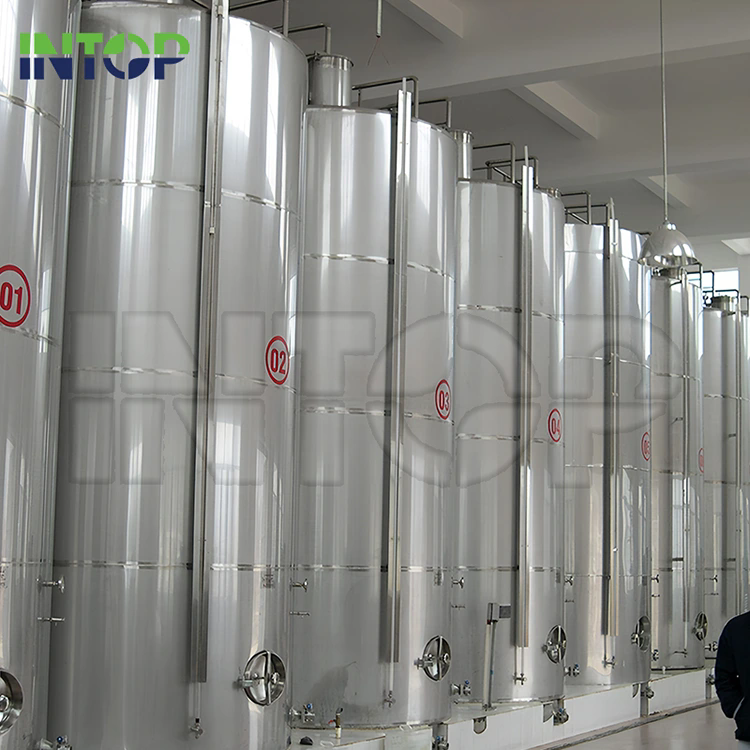
Table of Contents
- Introduction
- Grape Harvesting and Sorting
- Crushing and Pressing
- Fermentation
- Filtration and Stabilization
- Bottling and Packaging
- Common Challenges and Solutions
- FAQ
- Contact Intop
Introduction
The wine production process combines traditional winemaking techniques with modern machinery to ensure quality and consistency. From grape selection to bottling, every step is critical for producing wines that meet market standards. Automated wine production lines streamline operations, reduce labor costs, and improve output efficiency.
Grape Harvesting and Sorting
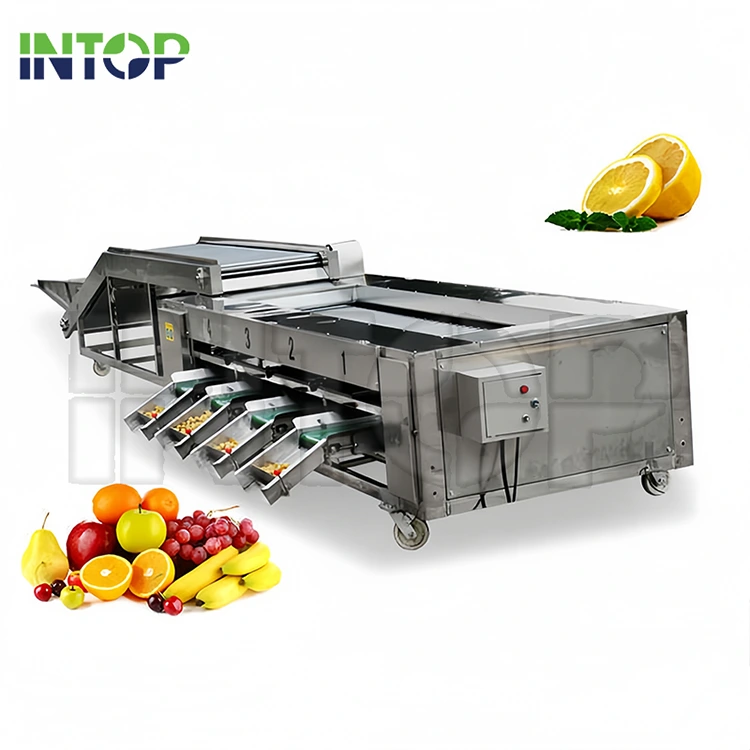
The first step in the wine production line is selecting and sorting grapes. High-quality grapes are crucial for producing premium wines. This stage often involves:
- Manual or mechanical harvesting
- Sorting machines to remove leaves, stems, and damaged grapes
- Washing systems to clean grapes before processing
Efficient sorting ensures the wine maintains consistent flavor and aroma throughout production.
Crushing and Pressing
After sorting, grapes undergo crushing and pressing to extract juice. Modern wine production lines include:
- Crusher-destemmers: Separate stems and lightly crush grapes
- Hydraulic or pneumatic presses: Extract juice without damaging seeds
Automated pressing systems maintain uniformity, which is essential for large-scale production.
| Equipment | Function | Benefits |
|---|---|---|
| Crusher-Destemmer | Removes stems, crushes grapes gently | Preserves flavor, reduces tannin extraction |
| Pneumatic Press | Extracts juice with minimal seed crushing | Higher juice yield, consistent quality |
Fermentation
Fermentation converts grape juice into wine using yeast. Critical points include:
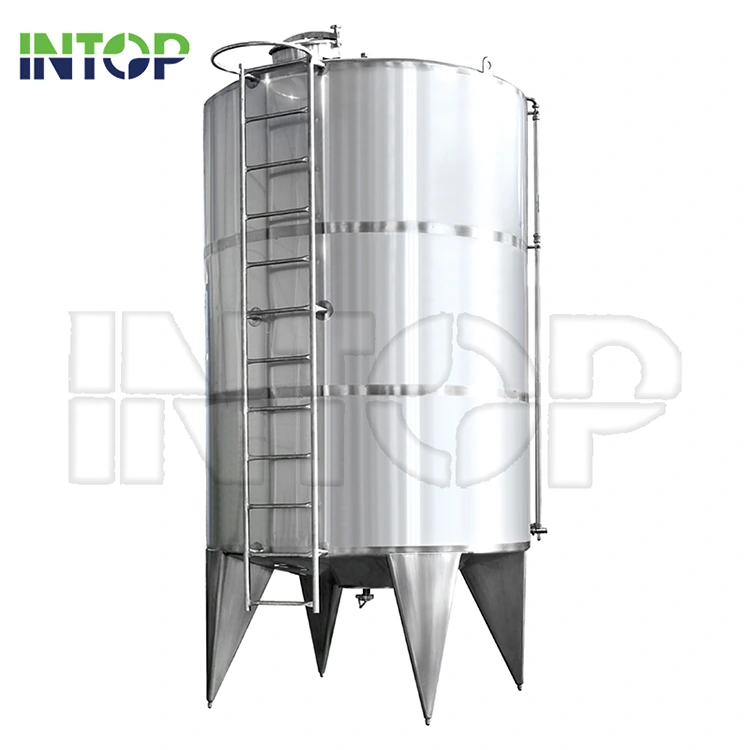
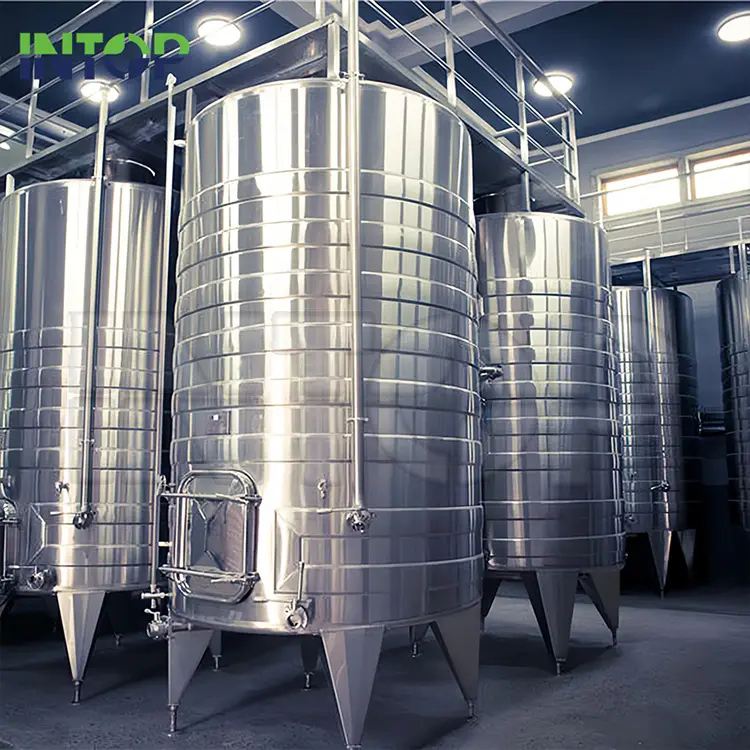
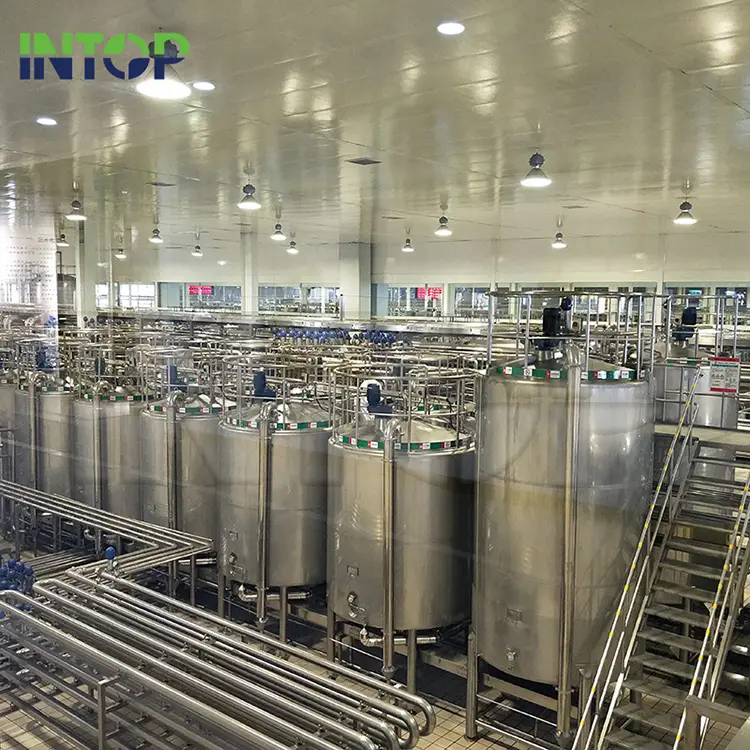
- Controlled temperature tanks for white and red wines
- Automated monitoring of sugar and alcohol levels
- Mixing and aeration systems to ensure uniform fermentation
Modern production lines allow wineries to produce wines at a faster pace without compromising taste or aroma.
Filtration and Stabilization
Once fermentation is complete, wine undergoes filtration and stabilization to remove impurities and stabilize color, aroma, and clarity. Key technologies include:
- Plate and frame filters or crossflow filters
- Cold stabilization tanks to prevent tartrate crystals
- Oxygen control systems to preserve flavor
Bottling and Packaging
The final stage is bottling and packaging, which ensures the wine reaches consumers safely. Automated systems provide:
- Precision filling machines to reduce spillage and oxidation
- Capping and corking equipment with consistent sealing
- Labeling and packaging lines for branding and shipment
Common Challenges and Solutions
Wine production lines face several challenges, which can be mitigated through careful equipment selection and maintenance:
- Juice oxidation: Use inert gas blanketing to prevent flavor loss
- Inconsistent fermentation: Automated temperature and pH control
- Clogging in filtration: Regular maintenance and pre-filtration steps
FAQ
- Q1: What is the capacity range of a typical wine production line?
- A: Modern lines can range from 1,000 liters per day for boutique wineries to over 100,000 liters per day for industrial producers.
- Q2: Can the line handle both red and white wines?
- A: Yes, adjustable fermentation tanks and filtration systems allow multi-type wine processing.
- Q3: How long does a fully automated line take to produce a batch?
- A: Depending on fermentation, a batch can be completed in 7–30 days, with automated bottling taking a few hours per batch.
Contact Intop
Intop provides advanced wine production lines tailored to your winery's needs. For inquiries, personalized quotes, or professional advice, contact us today and elevate your wine production efficiency.
Related News
- Tubular UHT Sterilizer Technology Advances Support the Growth of Aseptic Beverage Processing
- What Makes a Strawberry Juice Production Line Efficient, Safe, and Ready for Commercial Scale?
- Bottled Water Production Line: 10 Factors Before Investment
- How to Build a Juice Production Line That Handles Multiple Fruit Types
- What It Takes to Scale an Energy Drink Production Line for Global Demand
- How Does a Water Treatment System Work in a Beverage Production Line?
Leave me a message