English
- English
- Afrikaans
- беларускі
- Hrvatski
- lugha ya Kiswahili
- ქართული
- Кыргыз тили
- Монгол хэл
- IsiXhosa
- Somali
- O'zbek
- Hawaiian
- Հայերեն
- Español
- Português
- русский
- Français
- 日本語
- Deutsch
- tiếng Việt
- Italiano
- Nederlands
- ภาษาไทย
- Polski
- 한국어
- Svenska
- magyar
- Malay
- বাংলা ভাষার
- Dansk
- Suomi
- हिन्दी
- Pilipino
- Türkçe
- Gaeilge
- العربية
- Indonesia
- تمل
- ελληνικά
- український
- فارسی
- български
- ລາວ
- Latine
- Қазақша
- Azərbaycan
- Македонски
- Lietuvos
- Română
- Srpski језик

How Does an Integrated Dairy Production Line Unlock Profitable Consistency for Milk, Yogurt, and Dairy Beverages?
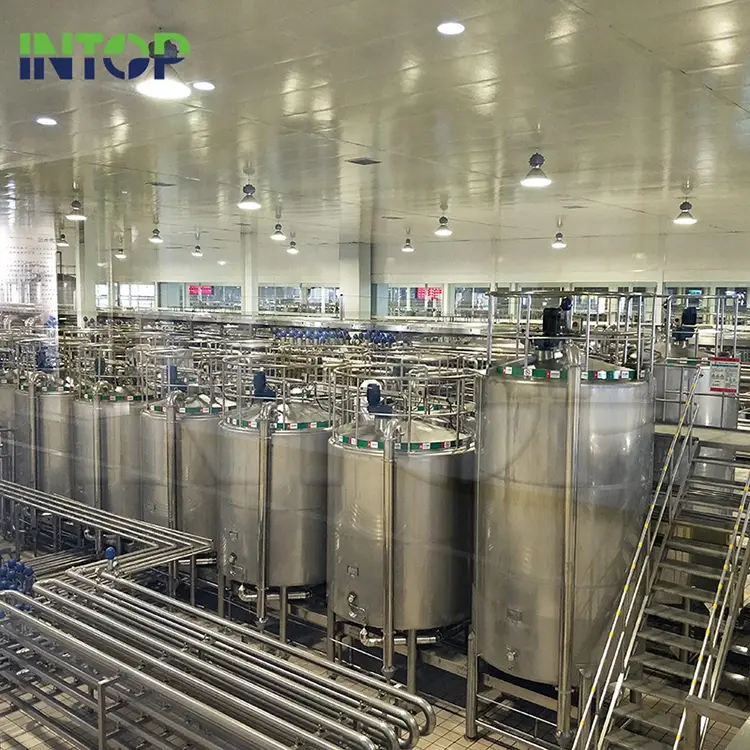
After walking the drains, talking with the night shift, and running a few blunt trials, one truth stood out—loose skids would never tame daily chaos. That was when Intop came in with engineers who spoke uptime, sanitation, and operator trust. Together we mapped a modern Dairy Production Line that runs milk, yogurt, and beverages on a single backbone. By aligning reception, standardization, heat treatment, and filling—and tying cleaning with data—integrated dairy processing stopped firefighting and started delivering predictable quality. We standardized valves, right-sized buffers, and instrumented the CIP cleaning system—small moves that made our milk processing equipment work smarter and set up a reliable yogurt production system without reinventing the plant.
Contents
- What Real Gains Do We See When We Integrate Instead Of Buying Islands?
- Which Pain Points Block Daily Throughput Before Integration?
- What Process Flow Works Across Milk, Yogurt, And Dairy Beverages Without Reinventing It?
- How Should I Size Capacity And Utilities Without Overpaying?
- How Do We Lock Food Safety While Still Moving Fast?
- Which Automation Choices Move The Margin, Not Just The Screen?
- Where Do Losses Hide And How Do We Recover Yield?
- What Does Smooth Commissioning Look Like When Time Is Tight?
- FAQs?
- Conclusion
What Real Gains Do We See When We Integrate Instead Of Buying Islands?
I began with a night shift that deserved calmer hours and products that deserved steadier runs. After I walked the drains, talked with operators, and ran scrappy trials, one pattern was obvious—shopping for parts would not fix systemic chaos. That is when Intop entered my project in a refreshingly practical way: engineers who spoke uptime, sanitation, and operator trust. Together we mapped a single Dairy Production Line that carries fresh milk, cultured yogurt, and value-added beverages on one backbone, with cleaning and data designed in from day one. Instead of stitching skids, I leaned into integrated dairy processing so quality stopped depending on heroics and started depending on repeatable flow.
To keep the line honest, I fixed three habits: size buffers from the filler backward, standardize valves and seals across skids, and keep cleaning circuits visible so people trust the sanitation story. Those habits, plus a single historian for process and QA, created the first predictable week we had seen in months.
Which Pain Points Block Daily Throughput Before Integration?
- Skids of milk processing equipment that do not talk to the filler or the lab, leading to silent bottlenecks
- Culture dosing drift for stirred and set products that pushes flavor and viscosity out of spec
- Heat treatment mismatches where ESL milk waits while beverage blends queue for the same exchanger
- Opaque sanitation that burns time and chemicals because the CIP cleaning system lacks instrumentation
- Manual syrup or fruit prep that adds air, destabilizes emulsions, and confuses shelf-life claims
- Undersized chillers that make summer incubation timing a daily gamble
When these frictions compound, planners lose the week by Tuesday. The cure is an end-to-end view where each upstream change shows its downstream effect in minutes, not weeks—exactly what integrated dairy processing is built to reveal.
What Process Flow Works Across Milk, Yogurt, And Dairy Beverages Without Reinventing It?
I sketch flows with a pencil first, then ask vendors to quote against that logic. A clean spine prevents expensive surprises later. This backbone has worked for me across white milk, yogurt, and beverages:
| Module | Primary Role | Typical Options | Why It Matters |
|---|---|---|---|
| Raw Milk Reception | Weigh, sample, chill | Inline filters, plate coolers, silo routing | Protects base quality so the rest of the line does not compensate |
| Standardization | Fat and SNF control | Mass flowmeters, inline blending | Tight specs reduce rework and waste |
| Heat Treatment | Food safety and shelf life | HTST, ESL, UHT sterilization | Matches product promise with shipping distance |
| Homogenization | Stability and mouthfeel | Single or two-stage units | Controls fat globule size for milk and beverages |
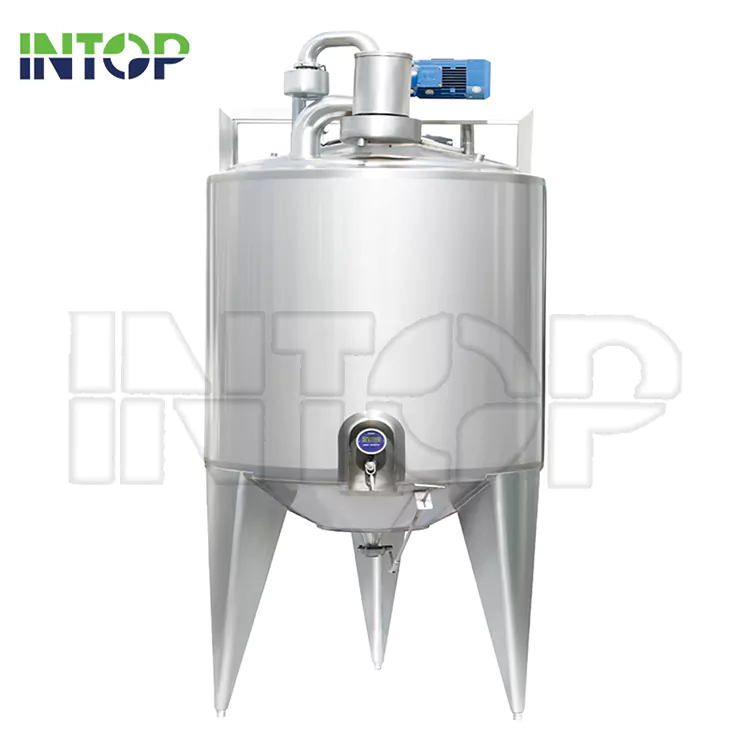
| Fermentation | Set or stirred yogurt | Jacketed tanks, incubation rooms | Clean culture management is the heart of any yogurt production system |
| Blending | Fruit, sugar, stabilizer | High-shear mixers, deaeration | Prevents separation in dairy beverage processing |
| Filling | Package integrity | ESL or aseptic cup and bottle fillers | Closes the loop between process and shelf life |
| Cleaning | Hygienic assurance | Central or skidded CIP cleaning system | Repeatable sanitation without guesswork |
For flexible plants, I prefer HTST for white milk and a dedicated ESL or UHT sterilization loop for value-added beverages. For yogurt, incubation strategy drives tank geometry and cooling capacity. The north star stays the same—keep the filler fed without compromising the promise on the label.
How Should I Size Capacity And Utilities Without Overpaying?
I start from the filler because empty pockets there are the costliest minutes on site. Then I size buffers and upstream units to protect that heartbeat. Here is the practical framework I use when choosing equipment sizes and utility loads for a modern Dairy Production Line.
- Lock filler speed and format change time before quoting pasteurizers or homogenizers
- Calculate the real daily mix of SKUs and include honest clean-in-place windows
- Model cooling water and glycol at summer conditions, not catalog conditions
- Budget process air and nitrogen with margin for future caps and closures
| Decision | Rule Of Thumb | Impact On Opex | Notes |
|---|---|---|---|
| Holding Tube Length | Match legal hold time at target flow with ~10% cushion | Energy and product quality | Applies to HTST, ESL, and UHT sterilization variants |
| Buffer Tanks | Cover one long changeover plus one short stop | Less filler starvation | Place after homogenizer for milk and before fruit mix for yogurt |
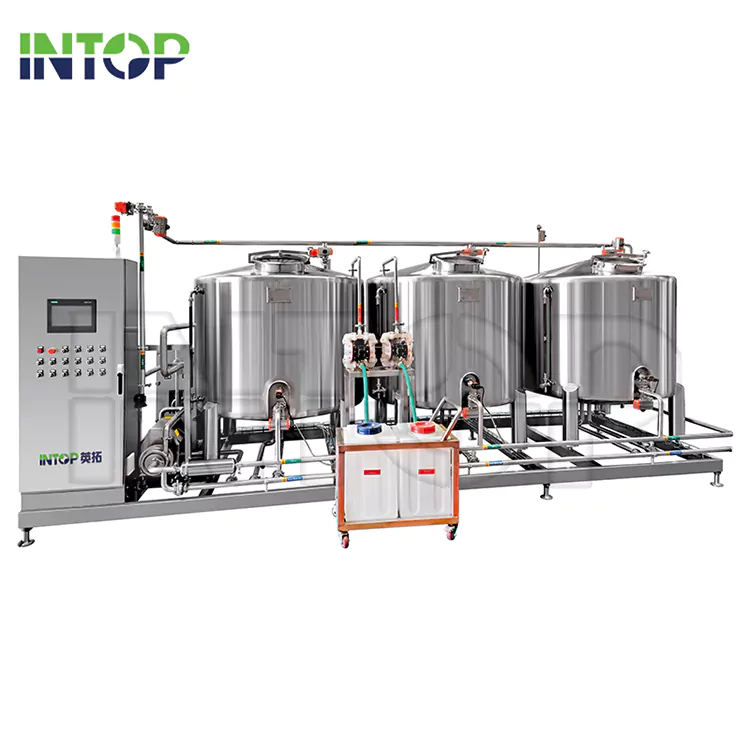
| CIP Tanks | Two chemical plus one water tank sized for the longest circuit | Chemical spend and downtime | Central CIP cleaning system improves utilization across skids |
| Cooling Capacity | Allow seasonal derate and extra pull-down for yogurt | Stable incubation timing | Critical for set products and protein-rich beverages |
When comparing quotes, I tag line items to intent so the team stays aligned: integrated dairy processing, milk processing equipment, yogurt production system, dairy beverage processing, and CIP cleaning system.
How Do We Lock Food Safety While Still Moving Fast?
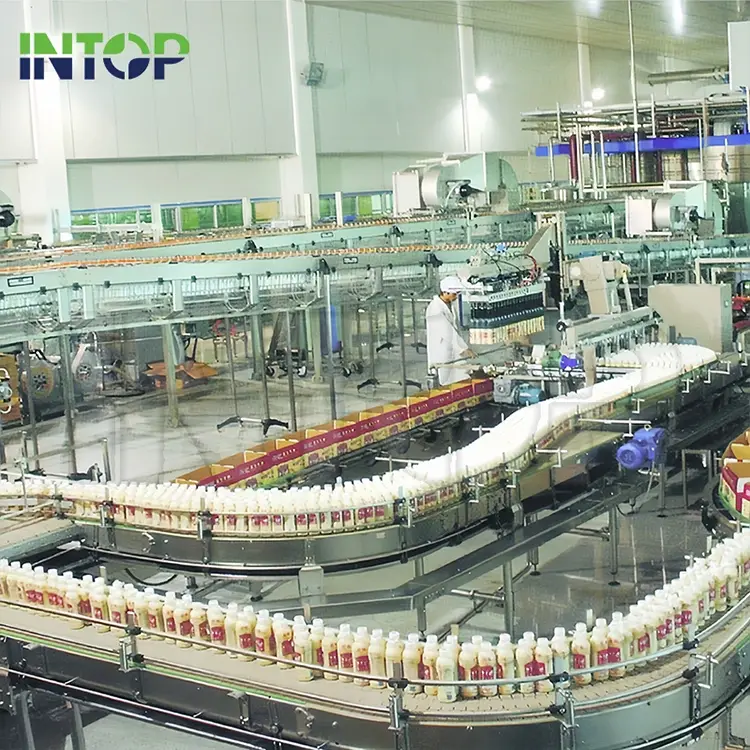
I bake HACCP, traceability, and hygienic design into the project from day one. That starts with materials and finishes that are easy to clean and ends with data that proves we did so. In practice I rely on instrumented cleaning, full lot genealogy from reception to case, and elastomers matched to heat and chemistry—not hope.
- Lot-level genealogy so investigations resolve in hours, not weeks
- Sanitation runs where the CIP cleaning system logs conductivity, temperature, flow, and contact times
- Automated culture dosing tied to the yogurt production system to protect texture and flavor
- Auto-divert logic that defends every package when a parameter drifts
Designing “audit-ready by default” is cheaper than arguing later. When operators can read the cleaning report without a translator, you have the right level of instrumentation.
Which Automation Choices Move The Margin, Not Just The Screen?
I like automation that removes rework and hand-offs. That means tight recipe control, alarm discipline, and trend screens that make sense to the night shift. Fancy graphics do not pay the bills if they hide the real problem.
- Recipe objects that lock hold time, temperature, and homogenization pressure per SKU
- Inline Brix and density on blends so dairy beverage processing keeps stability under thermal stress
- Culture dosing and incubation timers tied deeply into the yogurt production system
- Cleaning verification bound to maintenance orders so QA and maintenance speak one truth
With those pieces in place, the promise of integrated dairy processing becomes visible on the ledger—fewer complaints, calmer planners, and less hold product.
Where Do Losses Hide And How Do We Recover Yield?
If margins feel thin, I walk the drains, then I check buffers and the filler. Losses hide in every transfer and every hand-off. This simple playbook paid my bills:
- Cut dead legs and oversized hoses that trap cream and flavor bases
- Optimize valve-seat flushes and push-water volumes within the CIP cleaning system
- Right-size batch and blend volumes so the filler does not starve at the tail
- Deaerate beverage mixes to protect foam-sensitive closures and ESL claims
- Train operators to move from alarm clearing to alarm solving with crisp SOPs
For beverages, separation usually traces back to temperature or order-of-addition. Tying mixing set-points to the same PLC that drives heat treatment keeps dairy beverage processing honest from lab to pallet. For white milk, cream losses often come from piping elevations and restart sequences; fix those and your milk processing equipment looks smarter overnight.
What Does Smooth Commissioning Look Like When Time Is Tight?
I schedule it backward from the first ship date and defend the cleaning, water, and product runs as if they were production, because they are. A pragmatic partner like Intop earns trust here by showing up with spares, checklists, and the humility to adjust in real time.
- Dry tests with I/O checks and interlocks at low risk
- Water tests to balance flows and confirm heat loads in worst-case conditions
- Validated sanitation where the CIP cleaning system produces readable reports
- Product trials—white milk first, then yogurt, then beverages, each with data reviews
- Ramp to planned OEE in defined steps with a fixer list that actually closes
The quiet success metric of any integrated dairy processing project is a shift where people know what will happen next. That is the kind of calm that compounds month after month.
FAQs
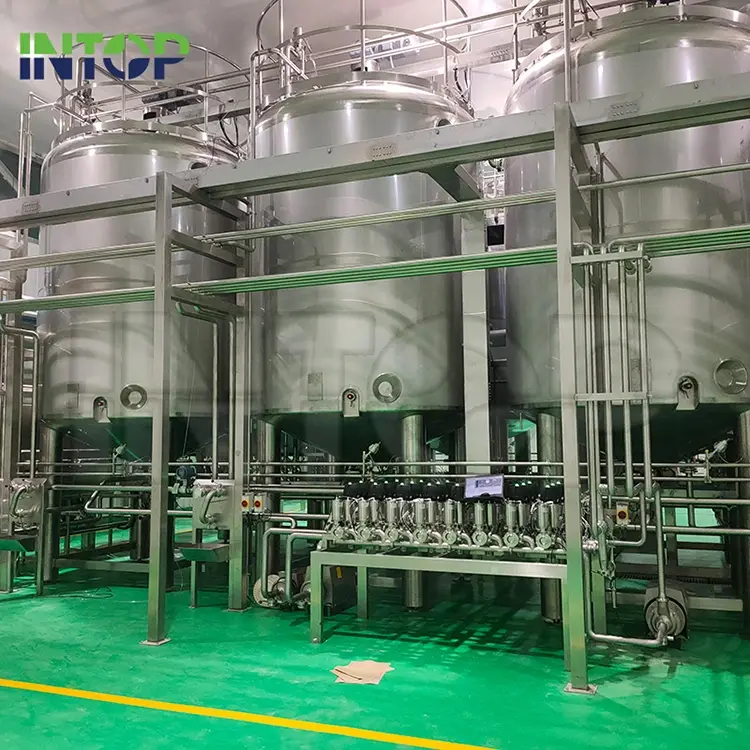
Q Can one line really run milk, yogurt, and beverages without constant teardown
A Yes, when shared modules are planned and buffers protect the filler. Heat treatment and filling may split by claim while utilities and cleaning remain common under a single control layer.
Q How do I choose between HTST, ESL, and UHT sterilization for my market
A Start with shelf-life promises and distribution distance. HTST supports short chains with fresh positioning; ESL extends reach under cold chain; UHT enables ambient shipping and export at higher thermal cost.
Q What makes a CIP cleaning system trustworthy to operators and auditors
A Instrumented circuits with logged conductivity, temperature, flow, and contact times—plus reports operators can read without a translator so sanitation is confirmed before any filler starts.
Q Will automation actually help margins or just add screens
A Margins improve when recipes lock critical set-points, inline analyzers prevent rework, and alarms are actionable. That is where integrated dairy processing earns its keep.
Q How do I prevent fruit or syrup from destabilizing yogurt texture
A Control temperature, shear, and order-of-addition; use deaeration and gentle mixing; and tie dosing to the yogurt production system so variability stays low.
Q Where do the biggest yield gains come from in dairy beverage processing
A Eliminating foam and air, trimming push-water volumes, optimizing blend overfills, and fixing restart losses near the filler deliver outsized returns.
Q What spare strategy keeps a Dairy Production Line steady during peak season
A Standardize valves and seals, stock critical heat-exchanger gaskets, and keep one homogenizer service kit; tie spares to PM schedules so parts move before they fail.
Q Why bring Intop into early layout conversations
A Early input aligns pipe racks, drains, access routes, and utilities around real maintenance needs. You cut change orders and commission faster because drawings already match the room you have.
Conclusion
If you have read this far, you already know the difference between buying parts and building a business. An integrated path keeps milk honest, yogurt consistent, and beverages stable while protecting the shift from surprises. In my experience, teams that treat layout, controls, and cleaning as one story win the quiet victories that compound month after month. If you want a pragmatic partner who speaks uptime and operator trust—especially for choices from HTST to UHT sterilization—please contact us today so we can tailor a plan to your site and deadlines.
Ready to compare alternatives for a modern Dairy Production Line that balances integrated dairy processing with flexible SKUs and clean, verifiable sanitation? Put your target formats and daily changeovers on the table and we will share a grounded roadmap that respects your budget—contact us now and start the conversation.
Related News
- Tubular UHT Sterilizer Technology Advances Support the Growth of Aseptic Beverage Processing
- What Makes a Strawberry Juice Production Line Efficient, Safe, and Ready for Commercial Scale?
- Bottled Water Production Line: 10 Factors Before Investment
- How to Build a Juice Production Line That Handles Multiple Fruit Types
- What It Takes to Scale an Energy Drink Production Line for Global Demand
- How Does a Water Treatment System Work in a Beverage Production Line?
Leave me a message