English
- English
- Afrikaans
- беларускі
- Hrvatski
- lugha ya Kiswahili
- ქართული
- Кыргыз тили
- Монгол хэл
- IsiXhosa
- Somali
- O'zbek
- Hawaiian
- Հայերեն
- Español
- Português
- русский
- Français
- 日本語
- Deutsch
- tiếng Việt
- Italiano
- Nederlands
- ภาษาไทย
- Polski
- 한국어
- Svenska
- magyar
- Malay
- বাংলা ভাষার
- Dansk
- Suomi
- हिन्दी
- Pilipino
- Türkçe
- Gaeilge
- العربية
- Indonesia
- تمل
- ελληνικά
- український
- فارسی
- български
- ລາວ
- Latine
- Қазақша
- Azərbaycan
- Македонски
- Lietuvos
- Română
- Srpski језик

What Should Manufacturers Consider When Upgrading a Beverage Production Line?
Replacing outdated equipment is only one part of upgrading a beverage production line. The bigger challenge is making sure that processing, filling and packaging equipment can operate together without creating new bottlenecks. For beverage manufacturers handling different formulations and packaging formats, even a small change in production capacity can affect several stages of the operation.
Many factories were originally configured for a limited range of products. As production demands change, existing equipment may struggle with shorter production runs, frequent product changeovers or different processing requirements. This has made production line upgrades a broader engineering decision rather than a straightforward equipment replacement project.
Production Capacity Goes Beyond Filling Speed
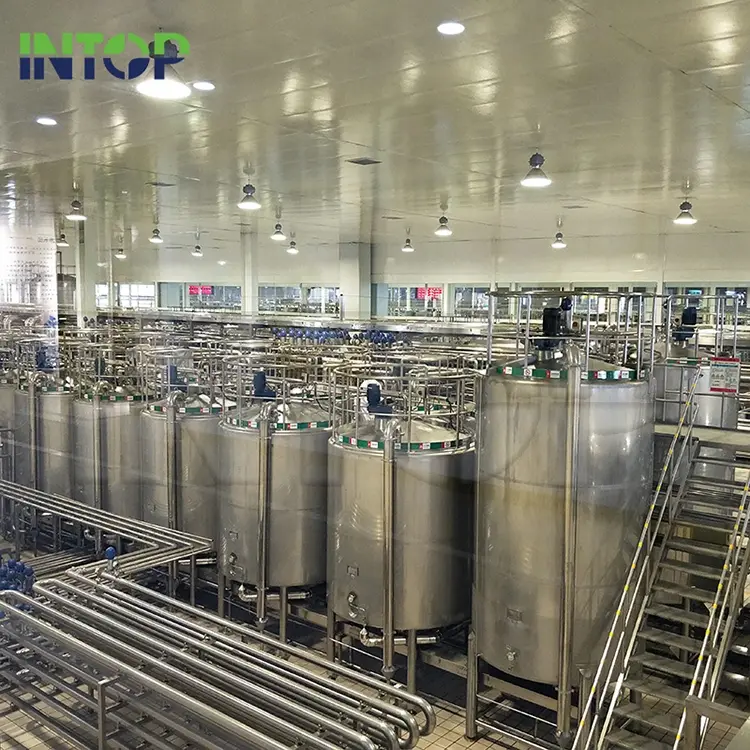
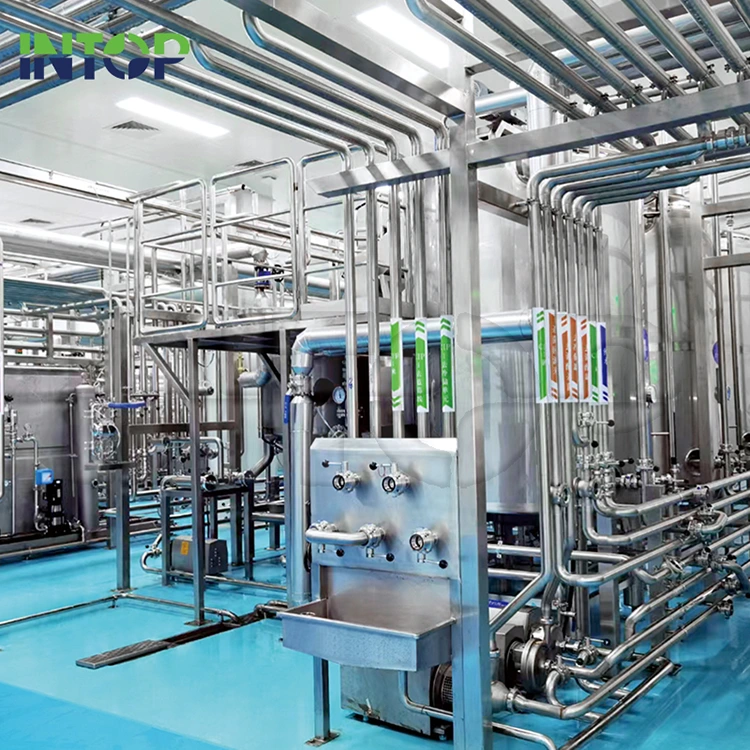
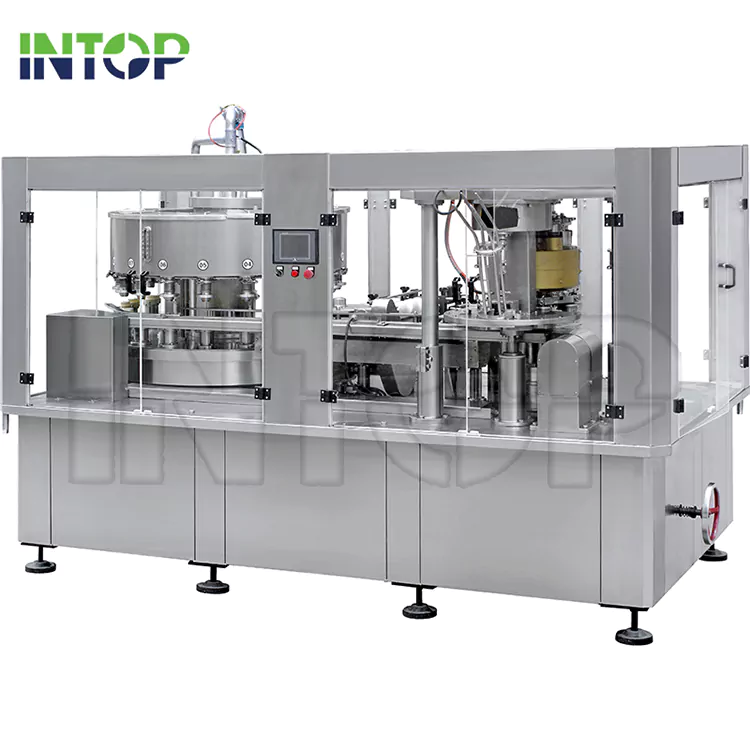
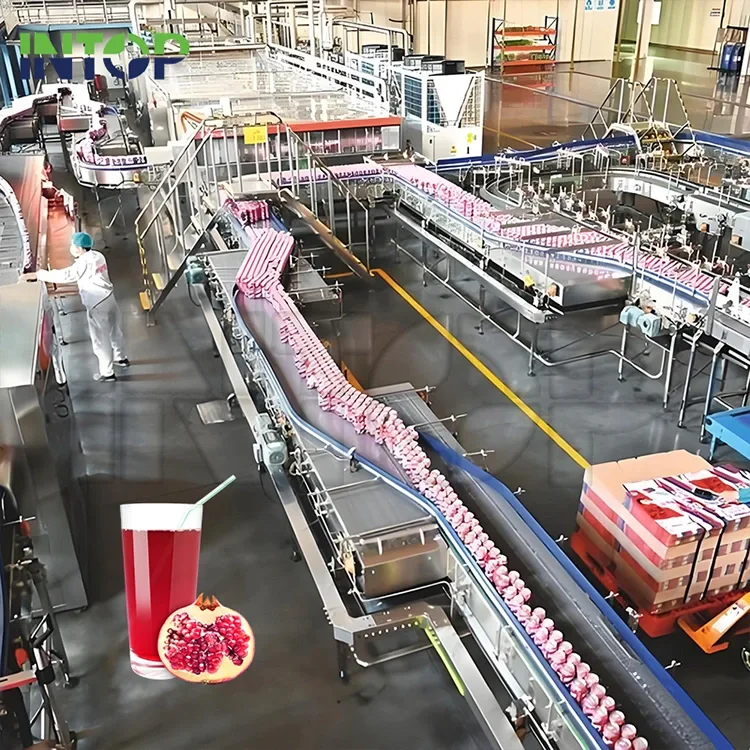
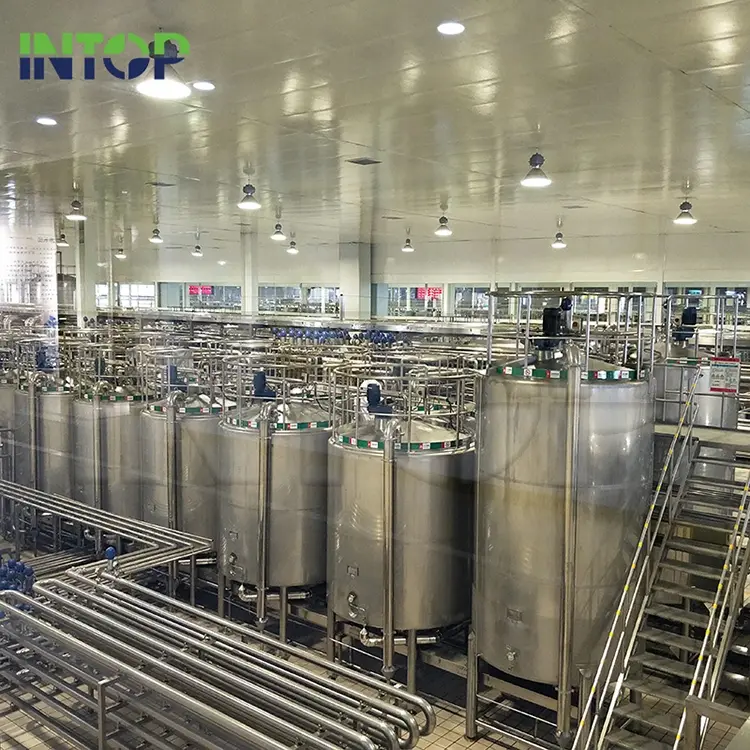
Filling machines often receive the most attention during capacity upgrades, but their rated output does not represent the actual capacity of the entire production line. Mixing tanks, pasteurizers, storage vessels, pumps and conveyor systems all influence how much finished beverage a factory can produce within a given period.
A faster filler, for example, may require a more consistent supply of processed beverage. If the upstream system cannot maintain the necessary flow, operators may face repeated stops, fluctuating filling speeds and longer production cycles. Insufficient buffer tank capacity can create similar problems when processing and filling operate at different rates.
Before replacing equipment, manufacturers need to examine the output of each production stage, actual operating efficiency, cleaning intervals and product changeover time. This helps identify whether the limitation comes from a single machine or from the way the entire line is configured.
Different Beverages Require Different Processing Setups
Product diversification has changed the way beverage production facilities are planned. A factory may handle fruit juice, tea drinks, flavored beverages, dairy-based products and other liquid formulations, each with its own processing characteristics.
Fruit juice production may involve extraction, filtration and pasteurization. Tea beverages require suitable extraction and clarification processes, while drinks containing pulp or suspended particles need equipment capable of handling solids without compromising product consistency. Viscosity, acidity, particle size and sensitivity to heat also affect the selection of pumps, homogenizers and filling systems.
For this reason, upgrading a multi-product facility requires more than choosing equipment with adjustable operating parameters. The production line must accommodate the actual differences between formulations. In some cases, dedicated processing sections or separate product circuits are more practical than forcing several beverages through an identical configuration.
Processing Conditions Must Match the Filling Method
Processing and filling cannot be planned independently. Heating, homogenization, filtration and deaeration influence the condition of the beverage before it reaches the filling machine, while the selected packaging method places additional requirements on the production process.
Pasteurization and UHT treatment, for example, serve different processing needs and must be selected according to product characteristics, packaging compatibility and intended shelf life. The operating temperature and treatment time also need to be established through appropriate process validation rather than determined by equipment capacity alone.
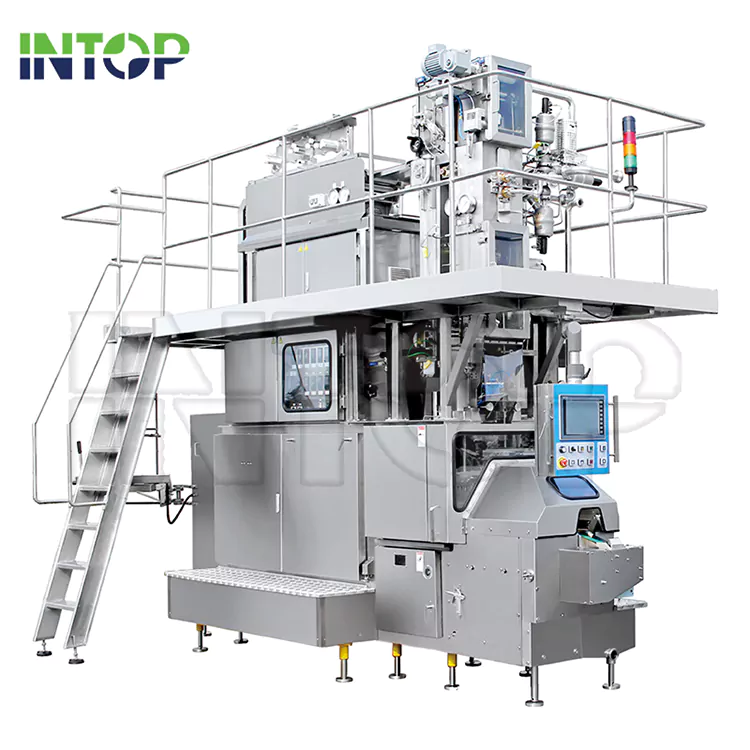
Filling technology introduces another set of considerations. Hot filling is commonly used for suitable beverages that can be filled at elevated temperatures, while aseptic filling is designed for products and packaging systems requiring sterile conditions. Conventional filling may be appropriate for other applications depending on the product and preservation process.
When introducing aseptic production, installing a new filler is only one part of the project. Product sterilization, sterile transfer, packaging decontamination and the control of the filling environment must function as an integrated system.
Cleaning and Hygiene Affect Production Availability
Cleaning arrangements are often overlooked when older production lines are upgraded. Tanks, pipelines, valves and filling components can retain product residues, particularly when a facility switches between beverages with different formulations. Poor drainage or inaccessible product-contact areas can extend cleaning cycles and complicate sanitation.
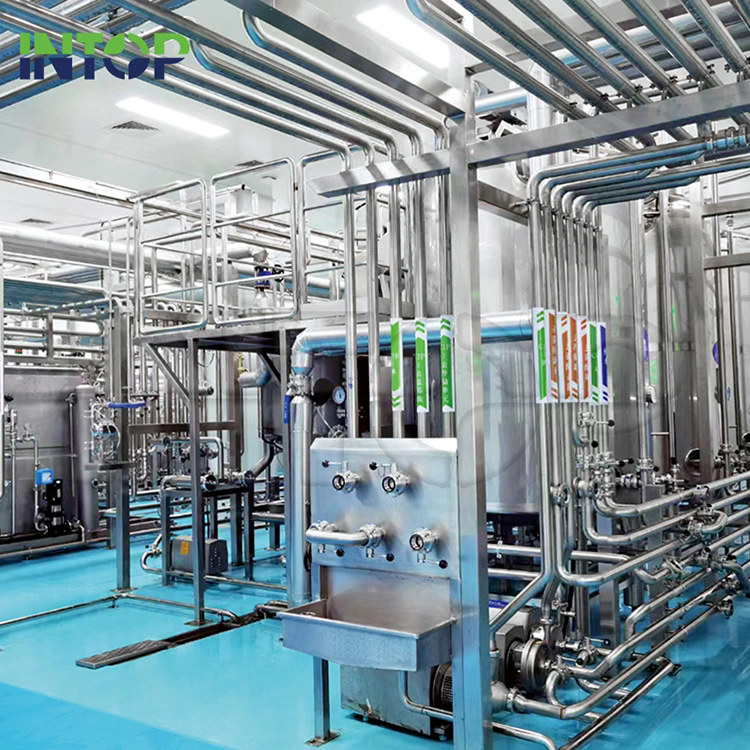
Clean-in-place (CIP) systems help address these challenges by circulating cleaning solutions through designated equipment and pipelines without routine manual dismantling. Their performance depends on several operating conditions, including flow velocity, temperature, chemical concentration and contact time.
Equipment design matters just as much. Pipeline layouts should allow effective drainage, while product-contact surfaces, welds, seals and gaskets must be suitable for both the beverage and the cleaning chemicals involved. These details influence not only sanitation but also maintenance requirements and the time needed between production batches.
Automation Needs to Fit Existing Equipment
Automation upgrades are not necessarily about introducing the most advanced control system available. For many factories, the immediate objective is to improve coordination between machines and reduce the manual adjustments required during production.
PLCs, HMIs, sensors and centralized monitoring systems can help operators manage processing temperatures, flow rates, tank levels, filling quantities and equipment status. When properly integrated, they also make it easier to identify process deviations and maintain consistent operating conditions.
However, retrofitting automation into an existing factory can present compatibility challenges. Older machines may use different control architectures or communication protocols, and replacing them all may not be economically justified. A staged upgrade, focusing first on equipment that causes frequent downtime or requires intensive manual operation, can be a more practical approach.
Operating Costs and Expansion Space Matter
Purchase price is only one part of the cost of a beverage production line. Heating, cooling, compressed air, water treatment and cleaning all contribute to daily operating expenses. A new installation may provide opportunities to improve heat recovery, reduce water consumption and select more efficient pumps and motors.
Maintenance access is another consideration that affects long-term operating costs. Equipment installed too close together can make routine servicing, component replacement and pipeline inspection more difficult. During an upgrade, manufacturers should account for installation space, drainage, utility connections and access to frequently serviced components.
Expansion plans also influence the layout. Additional storage tanks, new filling formats or higher processing capacity may be required as product demand changes. Allowing for these possibilities during the initial upgrade can prevent costly modifications later.
A beverage production line upgrade is most effective when equipment selection is based on the complete manufacturing process rather than the specifications of individual machines. Processing capacity, product characteristics, filling technology, cleaning arrangements and operating costs all need to work within the same production plan. The result should be a line that can maintain consistent output under actual factory conditions while leaving room for future changes in product range and production volume.
Related News
- Building a Milk & Yogurt Production Line at 500–1000 L/h: What You Actually Need
- How to Choose a Juice Extraction Machine for Your Juice Production Line
- Tubular UHT Sterilizer Technology Advances Support the Growth of Aseptic Beverage Processing
- What Makes a Strawberry Juice Production Line Efficient, Safe, and Ready for Commercial Scale?
- Bottled Water Production Line: 10 Factors Before Investment
- How to Build a Juice Production Line That Handles Multiple Fruit Types
Leave me a message
News Recommendations