English
- English
- Afrikaans
- беларускі
- Hrvatski
- lugha ya Kiswahili
- ქართული
- Кыргыз тили
- Монгол хэл
- IsiXhosa
- Somali
- O'zbek
- Hawaiian
- Հայերեն
- Español
- Português
- русский
- Français
- 日本語
- Deutsch
- tiếng Việt
- Italiano
- Nederlands
- ภาษาไทย
- Polski
- 한국어
- Svenska
- magyar
- Malay
- বাংলা ভাষার
- Dansk
- Suomi
- हिन्दी
- Pilipino
- Türkçe
- Gaeilge
- العربية
- Indonesia
- تمل
- ελληνικά
- український
- فارسی
- български
- ລາວ
- Latine
- Қазақша
- Azərbaycan
- Македонски
- Lietuvos
- Română
- Srpski језик

Hot Fill vs. Aseptic Fill — Which One Does Your Beverage Production Line Actually Need?
This is one of the very first questions new clients ask us when making an inquiry—and frankly, raising this issue early on is a highly prudent move. The filling system you select will directly impact your packaging strategy, product shelf life, distribution model, and the overall cost of your entire beverage production line. Should you make the wrong choice, equipment retrofitting down the road becomes inevitable—a scenario that invariably entails substantial additional expenses.
Today, INTOP Machinery helps you clarify your thinking and analyze the differences between the two.
What's the Actual Difference?
Both methods produce shelf-stable beverages. The difference is where the sterilization happens.
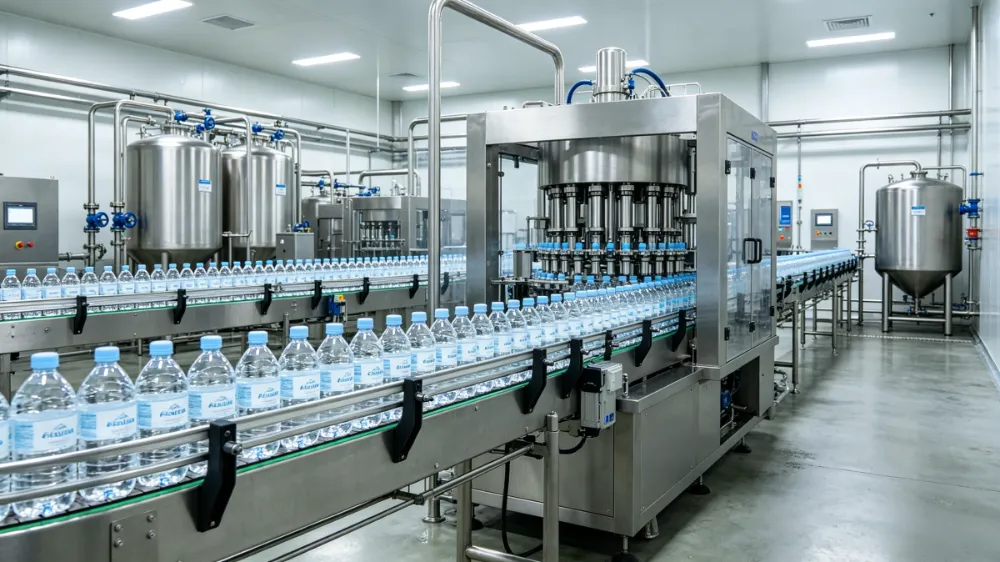
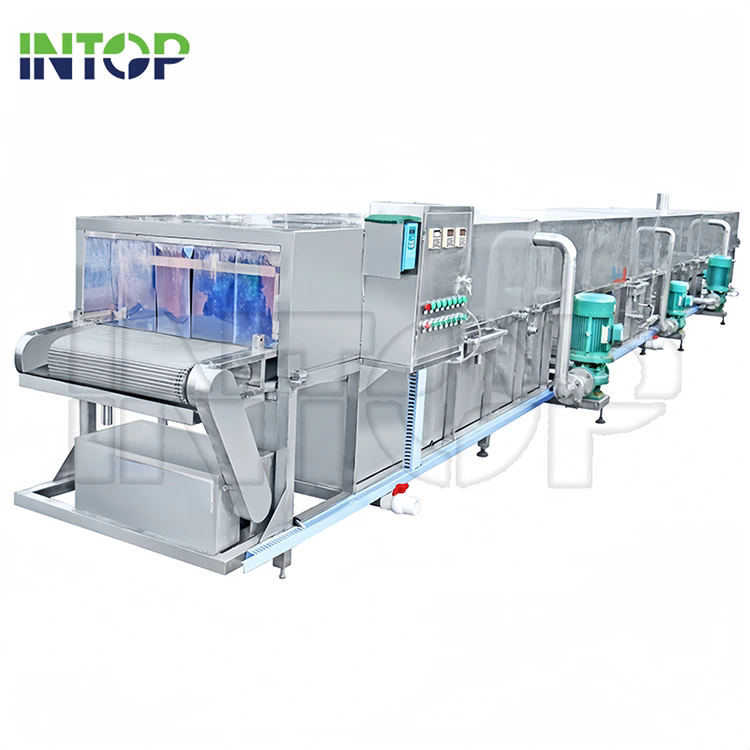
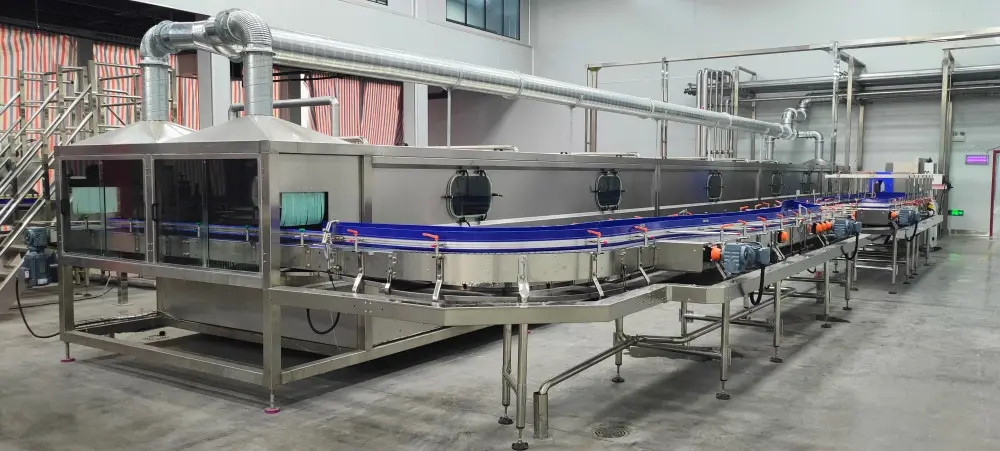
Hot fill heats the product to 85–92°C, fills it into the container at that temperature, then immediately seals it. The heat sterilizes the inside of the bottle. Simple, reliable, and relatively low-cost to set up.
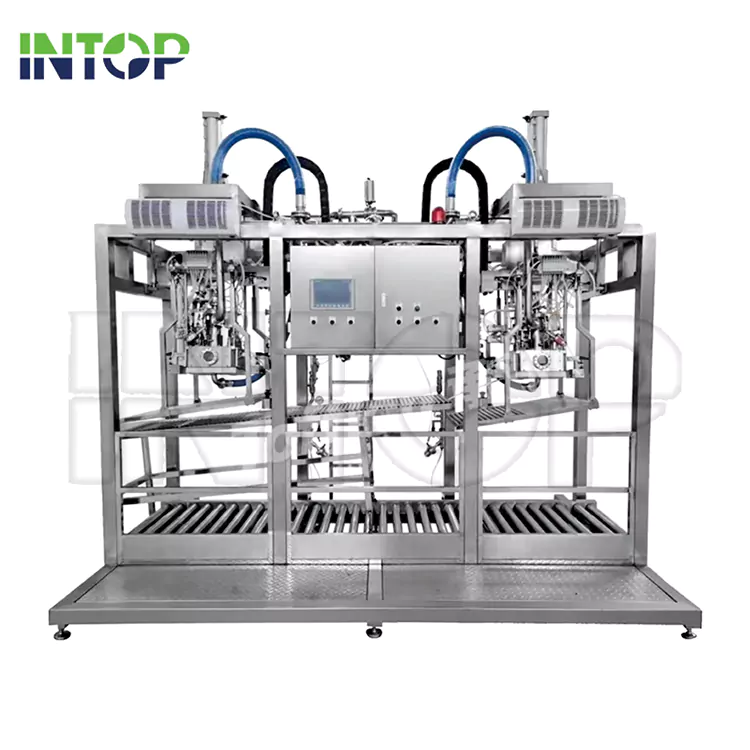
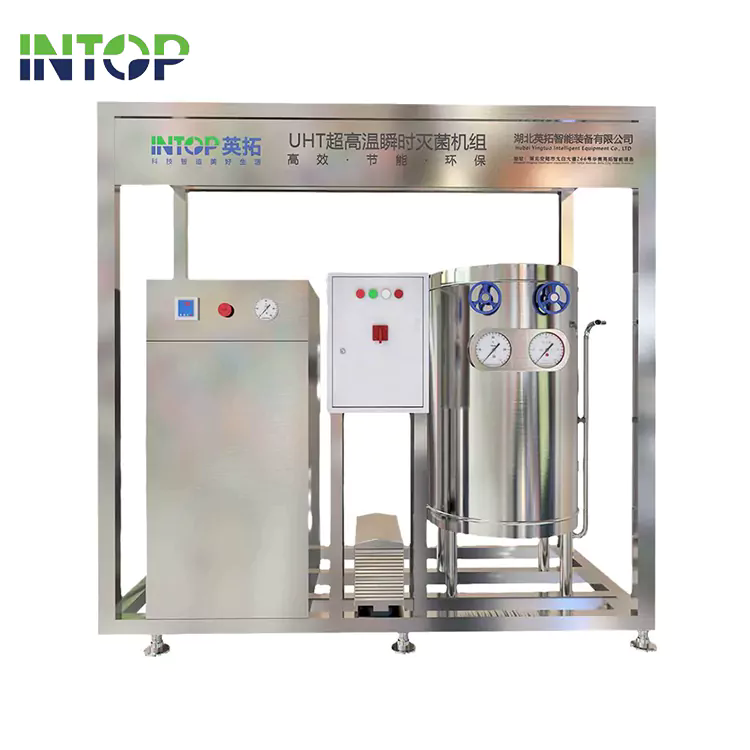
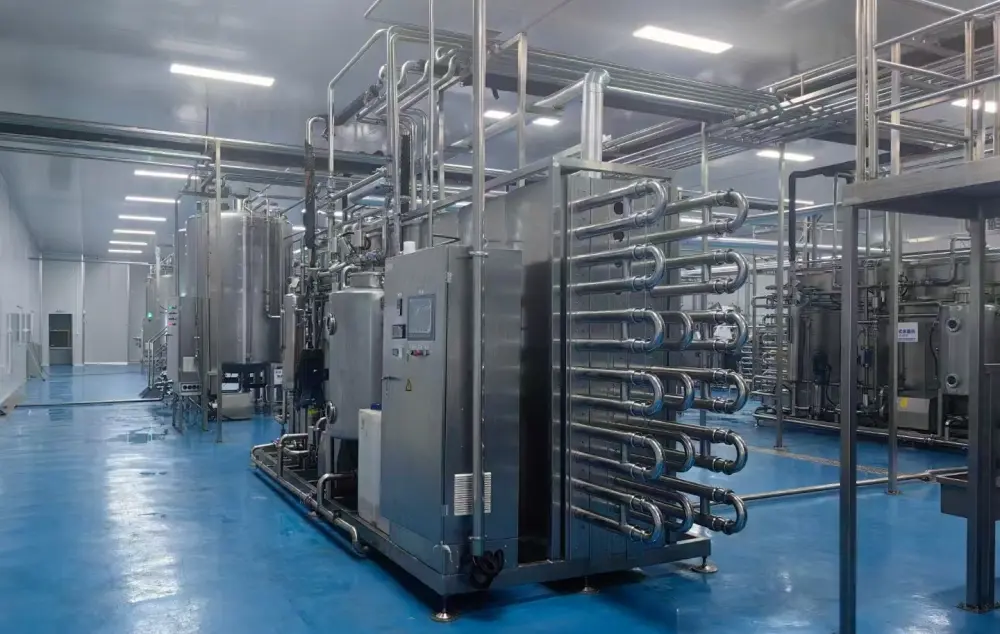
Aseptic fill sterilizes the product and the container separately — usually UHT for the liquid (120–135°C for a few seconds), then H₂O₂ or UV treatment for the packaging material. They only meet inside a sterile filling environment. More complex, but the product never sees high heat inside the bottle.
When Hot Fill Makes Sense
Hot fill works well when your product can handle brief heat exposure without quality loss, and when you're filling into PET bottles or glass.
It's the standard choice for:
·Fruit juices and juice drinks
·RTD tea and herbal infusions
·Sports drinks and vitamin water
·Sauce and condiment products
The bottles need to be heat-resistant — standard PET will deform at 90°C, so hot-fill grade PET with vacuum panels is required. That adds a small cost to packaging, but the filling equipment itself is significantly cheaper than aseptic.
One practical note: hot fill is easier to validate and maintain. For smaller operations or first-time producers, it's usually the more sensible starting point.
When Aseptic Fill Makes Sense
Aseptic fill is the right choice when your packaging can't handle heat, when you need a longer shelf life, or when the product itself is heat-sensitive.
Common applications:
·Dairy-based beverages and plant milks (soy, oat, almond)
·Bag-in-box juice concentrate for food service
·Tetra Pak and other carton formats
·Infant formula and nutritional drinks
·Products with live cultures that can't be heat-treated after filling
The shelf life difference is real. A hot-filled juice in a PET bottle typically lasts 9–12 months at ambient temperature. An aseptically filled juice in a carton can go 12–18 months — sometimes longer — without refrigeration or preservatives.
The tradeoff is cost and complexity. Aseptic lines require more precise engineering, stricter validation, and more careful operation. Maintenance demands are higher. For high-volume producers or products that genuinely need it, the investment pays off. For a 1,000 L/h line producing apple juice in PET bottles, it probably doesn't.
The Question We Usually Ask Back
Before recommending a filling system, we ask customers two things: What's your packaging format? and How are you distributing?
If you're selling through supermarkets with ambient shelving and using PET bottles, hot fill almost always wins on cost-effectiveness. If you're selling into food service in bulk bags, or if your retailer requires carton format, aseptic is the direction to go.
Both systems have their place. There's no universally "better" option — only the one that fits your product, your packaging, and your market.
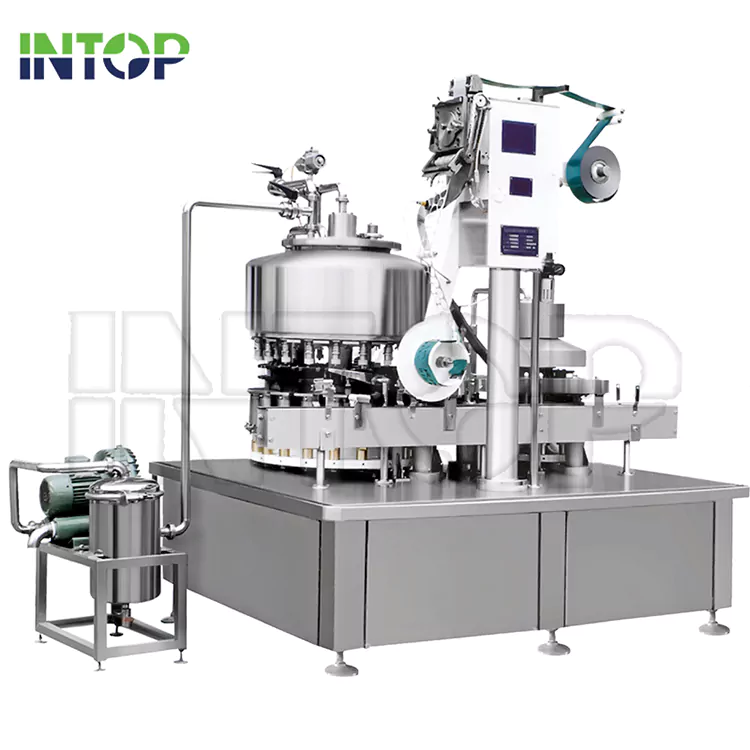
Intop is a Chinese manufacturer specializing in hot-fill and aseptic filling production lines, which can be seamlessly integrated with upstream processing equipment for products such as fruit juices, tea beverages, and dairy drinks. If you are unsure which solution best suits your project, simply provide us with some basic information—including your product type, target production output, and packaging format—and we will offer you clear, expert recommendations.
Related News
- What Makes a Strawberry Juice Production Line Efficient, Safe, and Ready for Commercial Scale?
- Bottled Water Production Line: 10 Factors Before Investment
- How to Build a Juice Production Line That Handles Multiple Fruit Types
- What It Takes to Scale an Energy Drink Production Line for Global Demand
- How Does a Water Treatment System Work in a Beverage Production Line?
- How to Choose a CIP System for Multi-Product Beverage Production Lines
Leave me a message