English
- English
- Afrikaans
- беларускі
- Hrvatski
- lugha ya Kiswahili
- ქართული
- Кыргыз тили
- Монгол хэл
- IsiXhosa
- Somali
- O'zbek
- Hawaiian
- Հայերեն
- Español
- Português
- русский
- Français
- 日本語
- Deutsch
- tiếng Việt
- Italiano
- Nederlands
- ภาษาไทย
- Polski
- 한국어
- Svenska
- magyar
- Malay
- বাংলা ভাষার
- Dansk
- Suomi
- हिन्दी
- Pilipino
- Türkçe
- Gaeilge
- العربية
- Indonesia
- تمل
- ελληνικά
- український
- فارسی
- български
- ລາວ
- Latine
- Қазақша
- Azərbaycan
- Македонски
- Lietuvos
- Română
- Srpski језик

How Does a Beverage Production Line Work?
Abstract
A beverage production line is the backbone of modern drink manufacturing, integrating raw material handling, processing, filling, packaging, and quality control into a continuous and efficient workflow. Understanding how a beverage production line works helps manufacturers address common operational challenges such as inconsistent product quality, low efficiency, high labor costs, and compliance with food safety standards. This article provides a structured and practical explanation of beverage production lines, highlighting key processes, equipment configurations, decision factors, and real-world pain points faced by beverage producers. The goal is to offer clear guidance for businesses seeking stable output, scalability, and long-term operational reliability.
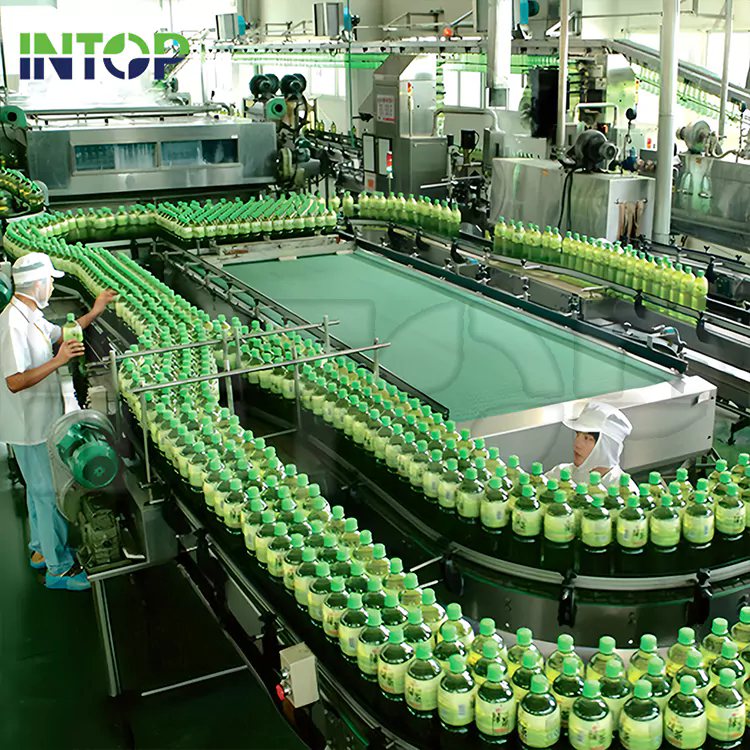
Table of Contents
- Article Outline
- What Is a Beverage Production Line
- Core Workflow of a Beverage Production Line
- Key Equipment and Their Functions
- Common Customer Pain Points and Solutions
- How to Choose the Right Beverage Production Line
- Typical Configuration Parameters
- Frequently Asked Questions
- Conclusion and Next Steps
Article Outline
- Introduction to beverage production line concepts
- Step-by-step production workflow explanation
- Main system components and their roles
- Operational challenges faced by beverage manufacturers
- Selection criteria for production line investment
- Practical questions from buyers and operators
What Is a Beverage Production Line
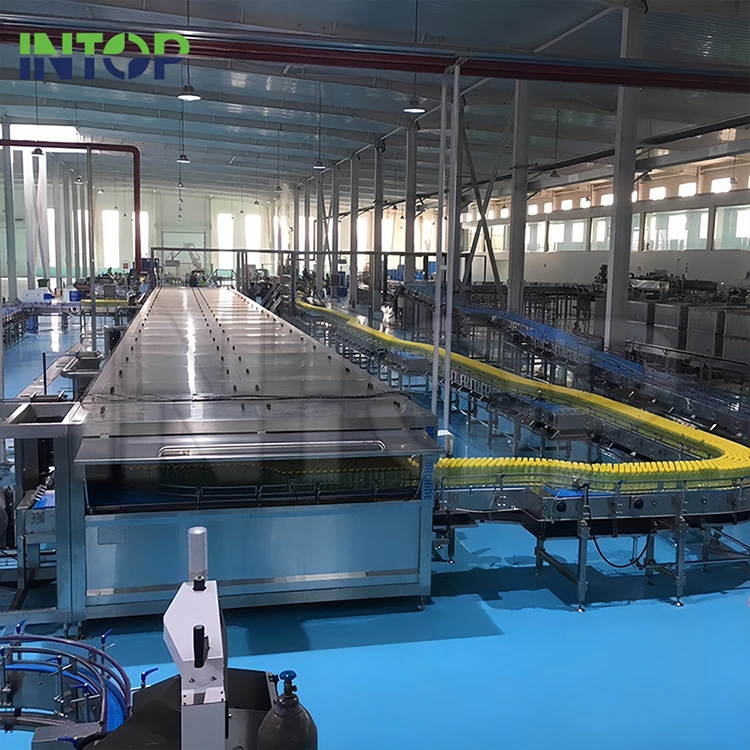
A beverage production line is an integrated system designed to convert raw ingredients into finished, packaged beverages through a sequence of automated or semi-automated processes. It is widely used in the production of bottled water, carbonated drinks, juices, functional beverages, dairy-based drinks, and ready-to-drink teas.
Rather than relying on isolated machines, a beverage production line connects each processing stage into a continuous flow. This approach minimizes human intervention, reduces contamination risks, and ensures consistent product quality across large production volumes. For manufacturers, a well-designed beverage production line is essential for meeting market demand while maintaining cost control and regulatory compliance.
Core Workflow of a Beverage Production Line
Although beverage types vary, most beverage production lines follow a similar operational logic. Understanding this workflow helps decision-makers identify where efficiency gains and risk reductions can be achieved.
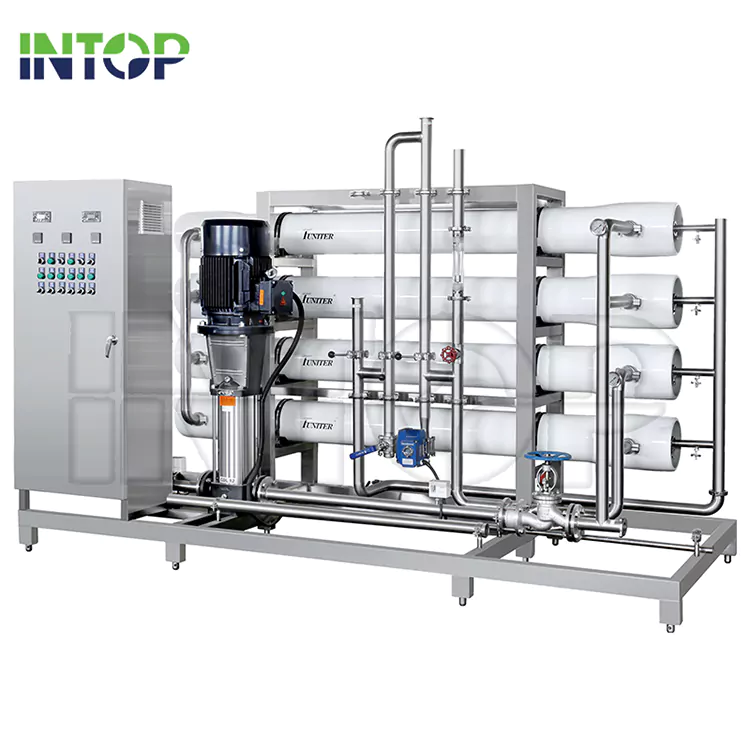
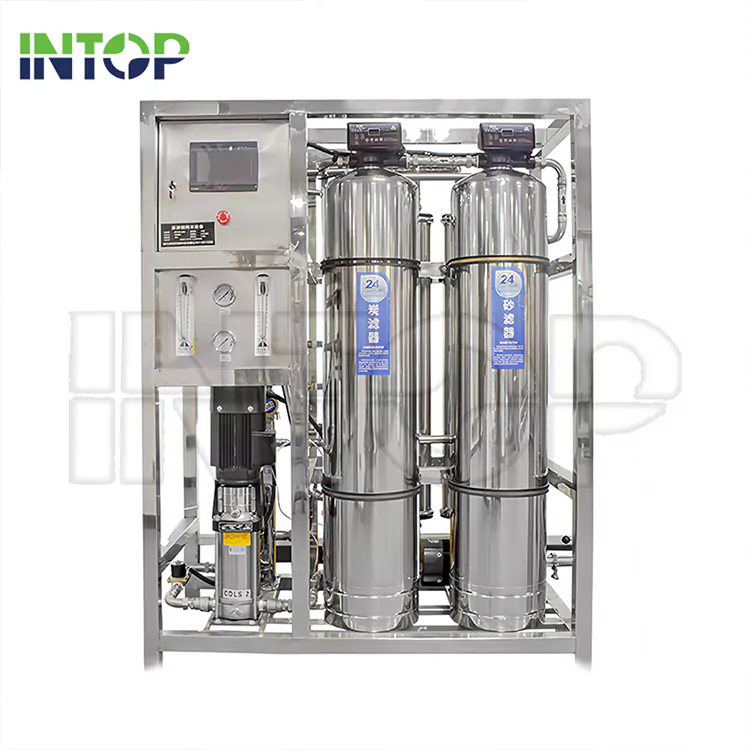
- Water treatment and preparation: Raw water is filtered, purified, and conditioned to meet product and safety requirements.
- Ingredient mixing: Syrups, concentrates, powders, or functional additives are blended with treated water using precise ratios.
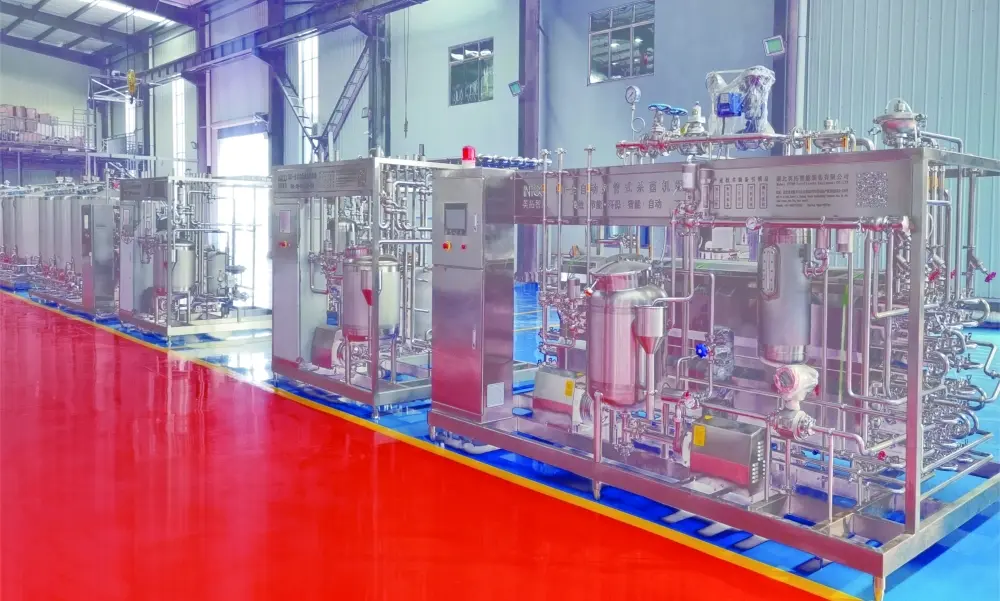
- Heating or sterilization: Thermal processes eliminate microorganisms and stabilize the beverage.
- Filling and sealing: The beverage is filled into bottles, cans, or cartons under controlled conditions.
- Packaging and labeling: Finished products are labeled, packed, and prepared for distribution.
Each step must operate in synchronization. A disruption at one point can affect the entire line, which is why system integration and automation stability are critical concerns for beverage producers.
Key Equipment and Their Functions
A beverage production line consists of multiple specialized machines, each designed to perform a specific task while maintaining hygiene and efficiency.
- Water treatment system: Removes impurities and ensures consistent water quality.
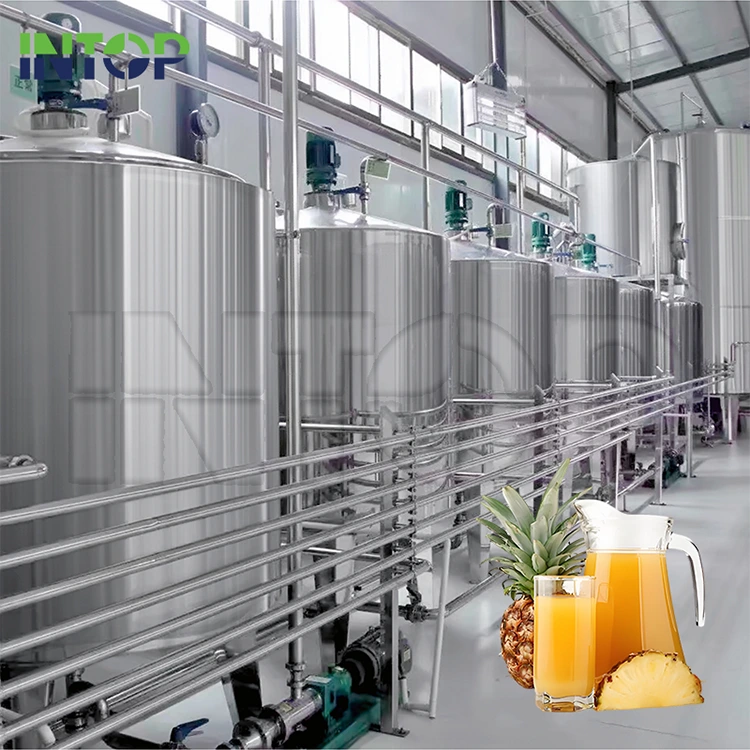
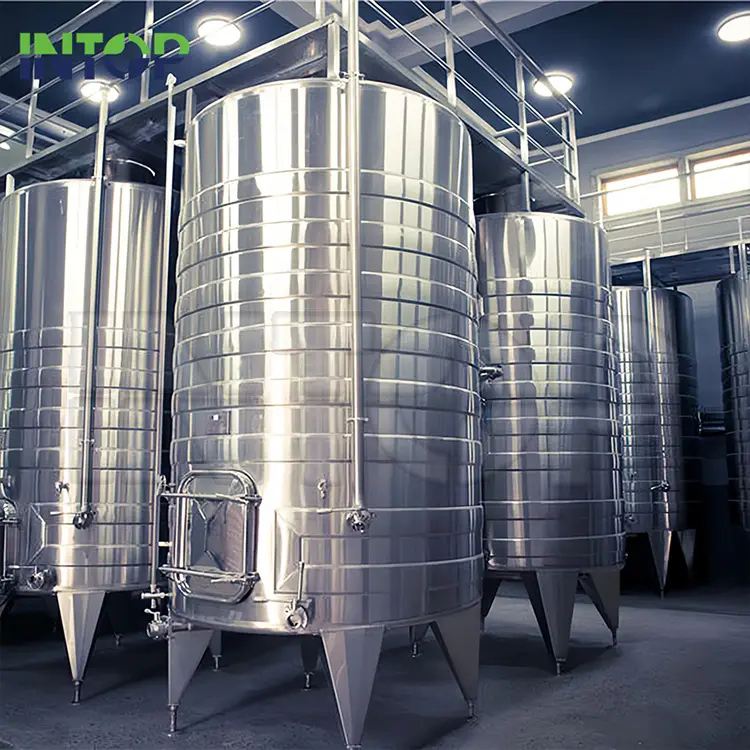
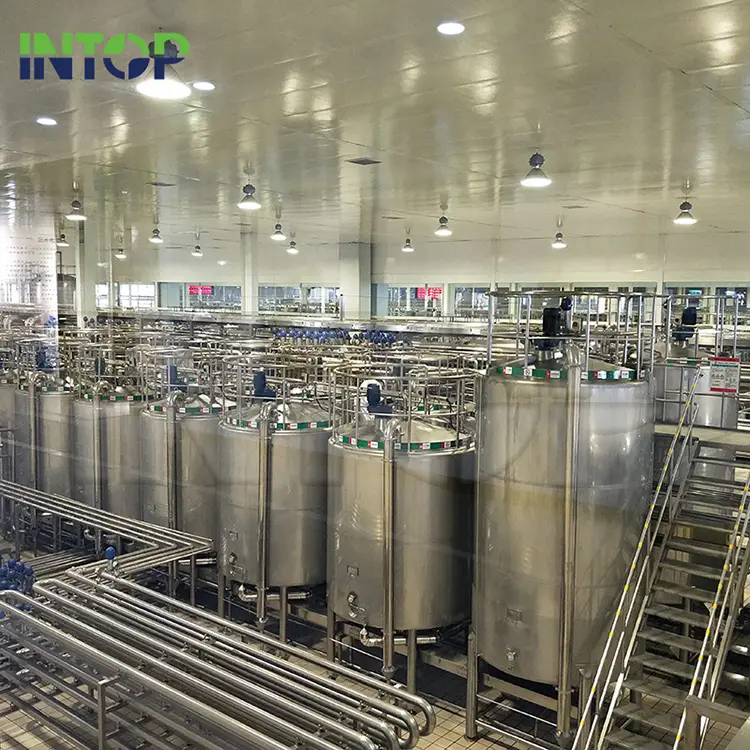
- Mixing tanks: Provide controlled blending of ingredients with accurate dosing.
- Pasteurizers or sterilizers: Extend shelf life and improve product safety.
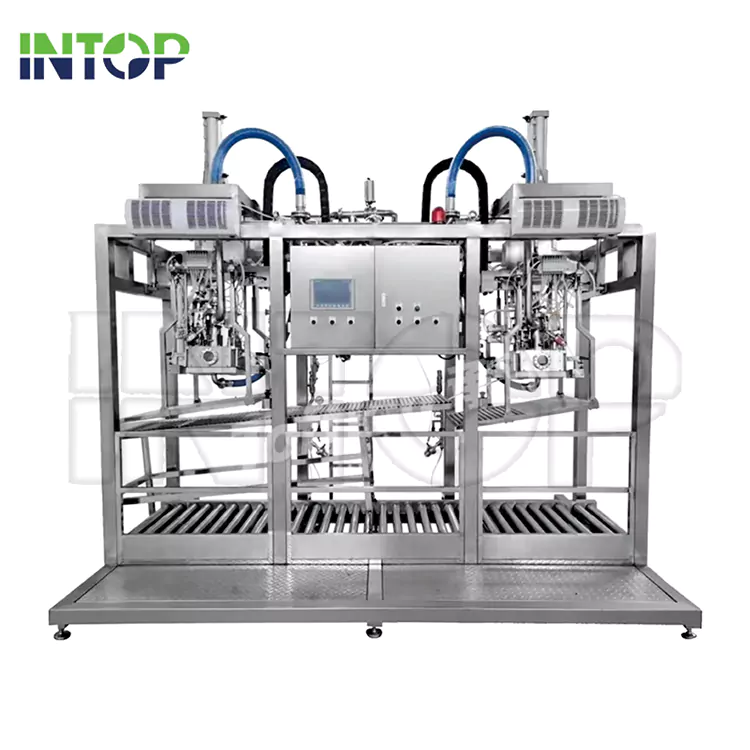
- Filling machines: Handle different container types and volumes with high precision.
- Capping and sealing units: Prevent leaks and contamination.
- Labeling and packaging machines: Improve brand presentation and logistics efficiency.
Manufacturers such as INTOP focus on system compatibility, ensuring that each piece of equipment communicates effectively with the rest of the production line.
Common Customer Pain Points and Solutions
Many beverage producers encounter similar challenges when operating or upgrading a beverage production line. Addressing these issues early can significantly reduce long-term operational risks.
- Inconsistent product quality: Often caused by unstable mixing or temperature control. Integrated automation systems help maintain consistency.
- Low production efficiency: Outdated or mismatched equipment leads to bottlenecks. A balanced line layout improves throughput.
- High labor dependency: Manual processes increase error rates. Automated lines reduce labor costs and variability.
- Hygiene and safety risks: Poor equipment design increases contamination risk. Sanitary-grade materials and clean-in-place systems address this issue.
- Limited scalability: Rigid systems restrict future expansion. Modular line design allows capacity upgrades.
How to Choose the Right Beverage Production Line
Selecting a beverage production line is a long-term investment decision. Buyers should focus on operational suitability rather than short-term cost savings.
- Type of beverage and formulation complexity
- Target production capacity and growth expectations
- Available factory space and layout constraints
- Level of automation required
- After-sales technical support and system reliability
Working with an experienced solution provider helps ensure that the beverage production line is tailored to real production needs rather than generic specifications.
Typical Configuration Parameters
| Parameter | Typical Range |
|---|---|
| Production Capacity | 2,000 – 36,000 bottles per hour |
| Container Types | PET bottles, glass bottles, cans |
| Filling Method | Gravity, pressure, aseptic |
| Automation Level | Semi-automatic to fully automatic |
| Applicable Beverages | Water, juice, carbonated, functional drinks |
Frequently Asked Questions
What types of beverages can be produced on one line
With proper configuration, a beverage production line can handle multiple beverage categories. Changeover capability depends on equipment flexibility and cleaning system design.
How long does it take to install a beverage production line
Installation time varies by capacity and complexity. A standard line may take several weeks from equipment delivery to commissioning.
What maintenance is required for long-term operation
Routine inspection, timely replacement of wear parts, and software monitoring are essential to maintaining stable performance and reducing unexpected downtime.
Conclusion and Next Steps
A beverage production line is more than a collection of machines; it is a coordinated system that directly influences product quality, operational efficiency, and business scalability. By understanding how a beverage production line works, manufacturers can make informed decisions that reduce risk and support sustainable growth.
INTOP provides comprehensive beverage production line solutions designed to address real manufacturing challenges, from process stability to future expansion. If you are planning to build or upgrade your beverage manufacturing facility, now is the right time to evaluate a system that aligns with your production goals. Contact us to discuss a customized beverage production line solution tailored to your market and capacity requirements.
Related News
- Tubular UHT Sterilizer Technology Advances Support the Growth of Aseptic Beverage Processing
- What Makes a Strawberry Juice Production Line Efficient, Safe, and Ready for Commercial Scale?
- Bottled Water Production Line: 10 Factors Before Investment
- How to Build a Juice Production Line That Handles Multiple Fruit Types
- What It Takes to Scale an Energy Drink Production Line for Global Demand
- How Does a Water Treatment System Work in a Beverage Production Line?
Leave me a message