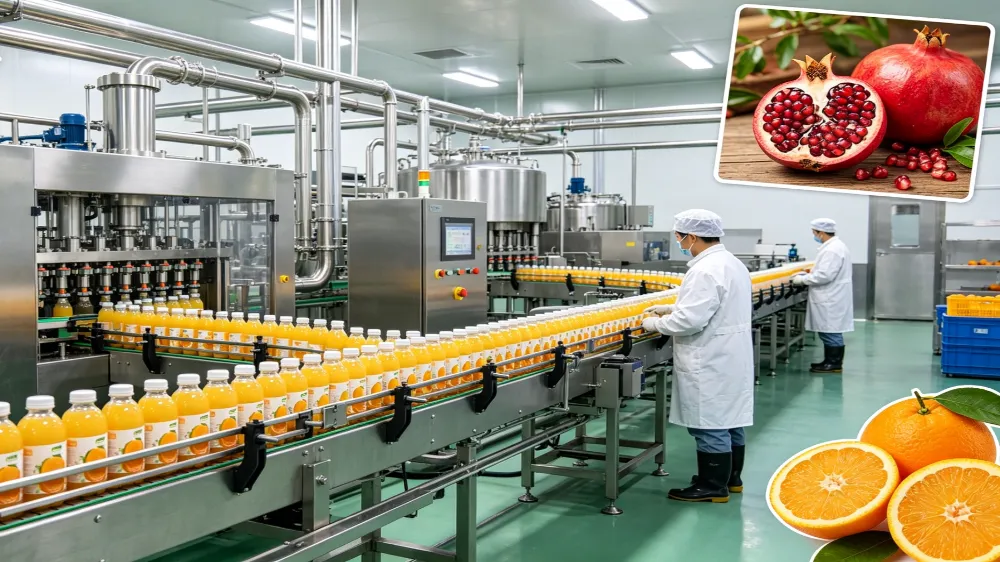

A commercial strawberry juice operation needs more than a fruit crusher and a filling machine. The complete production system must handle delicate strawberries, maintain product quality, control oxidation and contamination risks, achieve consistent clarification or pulp retention, apply an appropriately validated heat treatment when required, and package the finished beverage efficiently. This guide explains the major stages of a Strawberry Juice Production Line, the equipment involved, common production challenges, capacity considerations, quality-control points, and practical ways to design a line around the final beverage rather than simply purchasing individual machines.

Table of Contents
- What the Production Line Needs to Achieve
- How Strawberry Juice Moves Through the Production Process
- Key Equipment in a Strawberry Juice Production Line
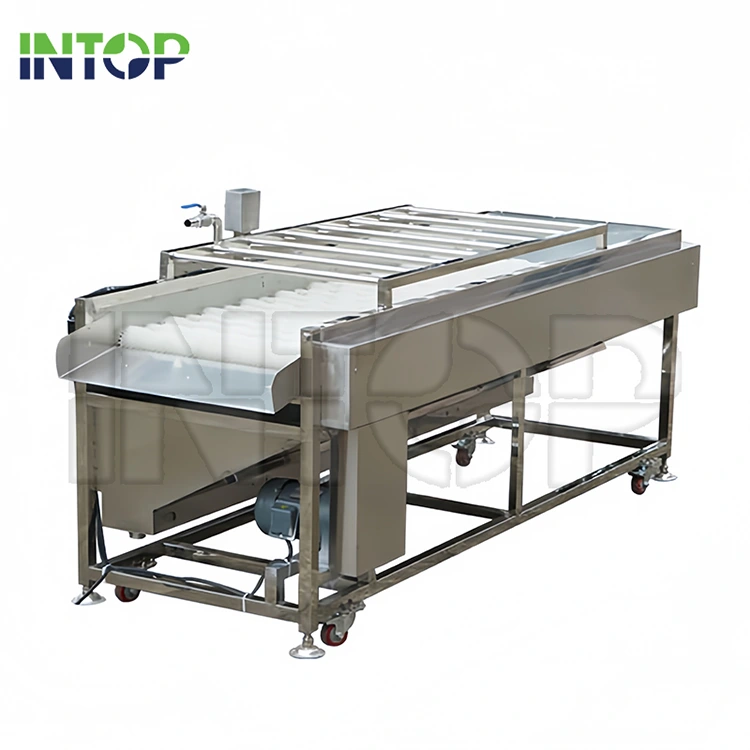
- Washing and Raw Material Preparation
- Crushing, Pulping, and Juice Extraction
- Blending and Product Formulation
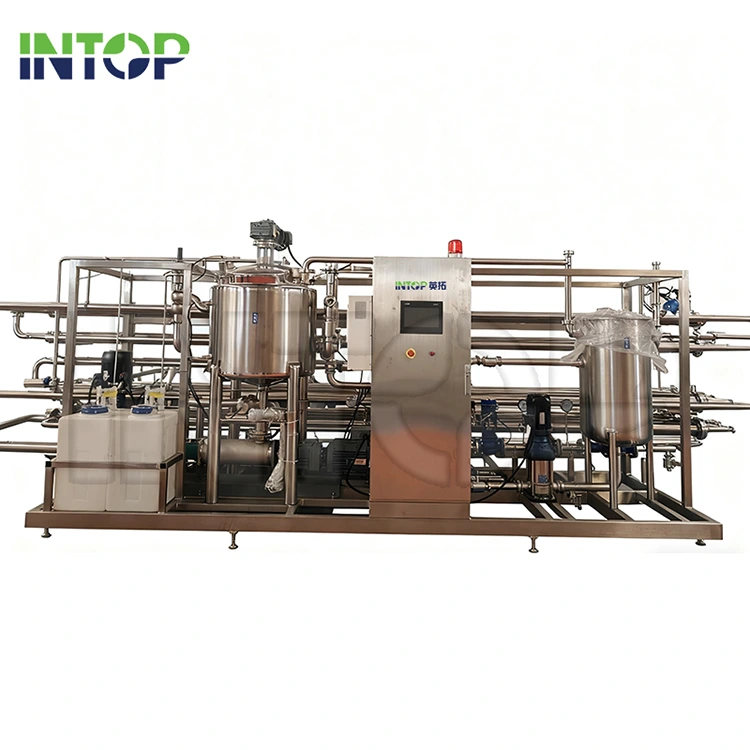
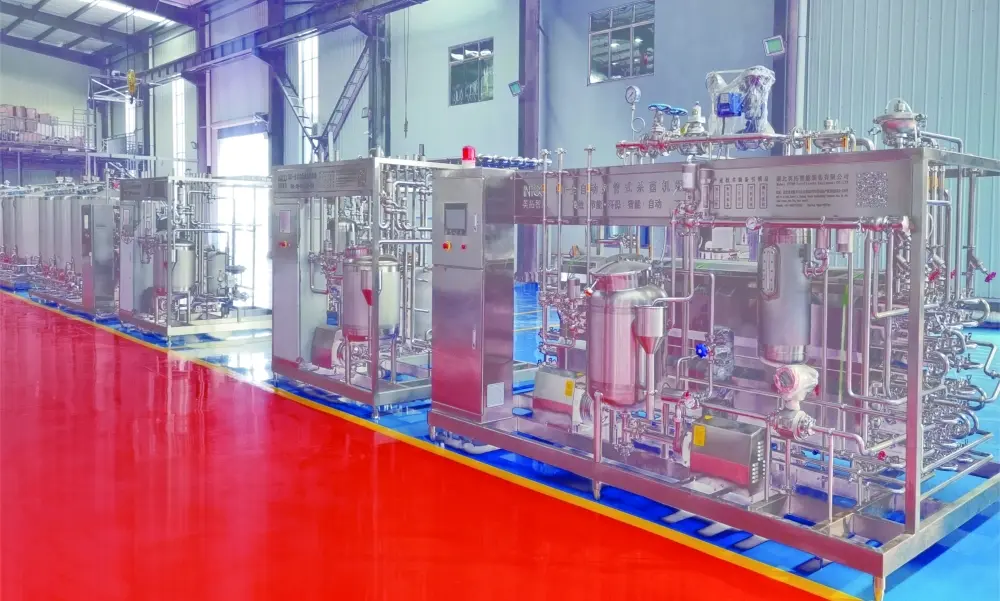
- Heat Treatment and Product Safety
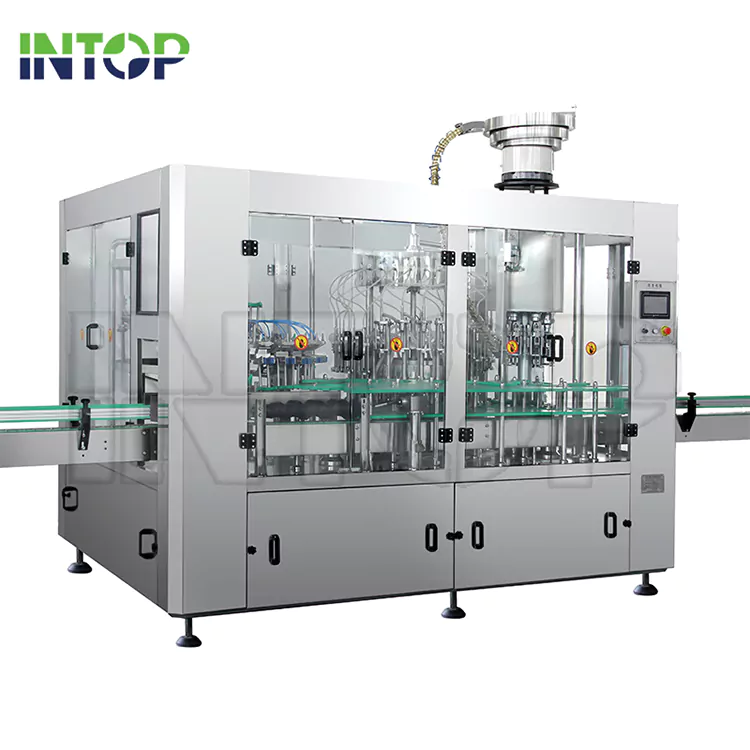
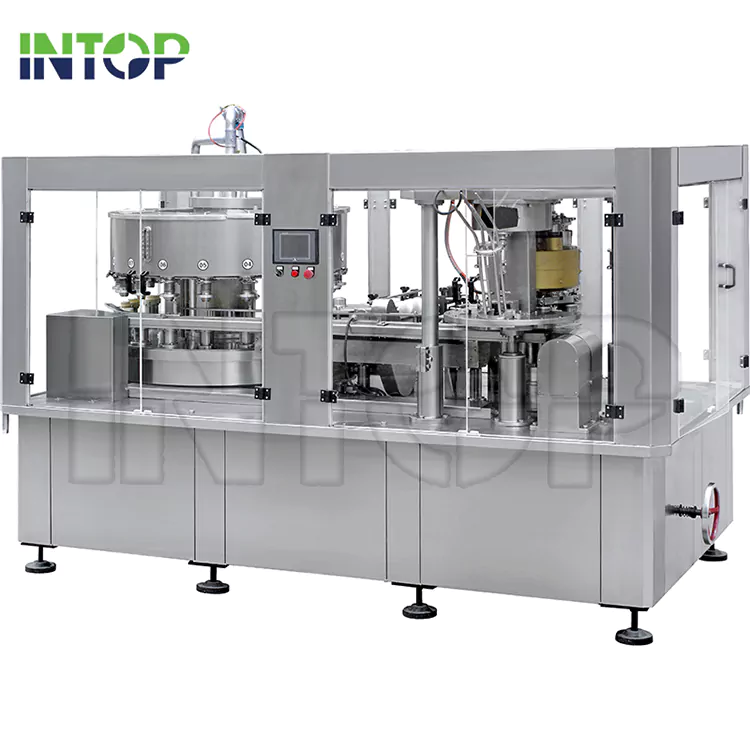
- Filling, Capping, and Packaging
- Quality and Production Control Points
- How to Plan Line Capacity
- Common Production Problems and Practical Solutions
- Why Line Customization Matters
- Frequently Asked Questions
- Build a Strawberry Juice Processing Solution
What the Production Line Needs to Achieve
Strawberries are attractive as a beverage ingredient because of their distinctive aroma, color, acidity, and consumer recognition. However, they are also relatively delicate fruits. Their high moisture content, soft structure, seeds, pulp, and susceptibility to quality deterioration create different processing requirements from harder fruits.
A well-designed Strawberry Juice Production Line should therefore do several jobs at the same time: protect raw materials, extract the desired juice or pulp fraction, produce a consistent formulation, control microbial risks, minimize unnecessary product losses, and deliver stable filling performance.
For example, a clear strawberry-flavored beverage may require different separation and filtration equipment from a smoothie-style strawberry drink containing suspended pulp. Similarly, a refrigerated product may have a different thermal and packaging strategy from a shelf-stable beverage.
How Strawberry Juice Moves Through the Production Process
Although individual factories may use different configurations, a typical commercial process can follow the sequence below:
Not every product requires every stage. For instance, some beverages intentionally retain fruit particles, while others need a smoother appearance. The right process depends on the recipe and intended market.
The most important planning step is to define the product specification before selecting the equipment. This includes expected fruit input, juice yield, soluble solids, acidity, pulp level, viscosity, packaging material, filling temperature, storage temperature, and expected shelf life.
Key Equipment in a Strawberry Juice Production Line
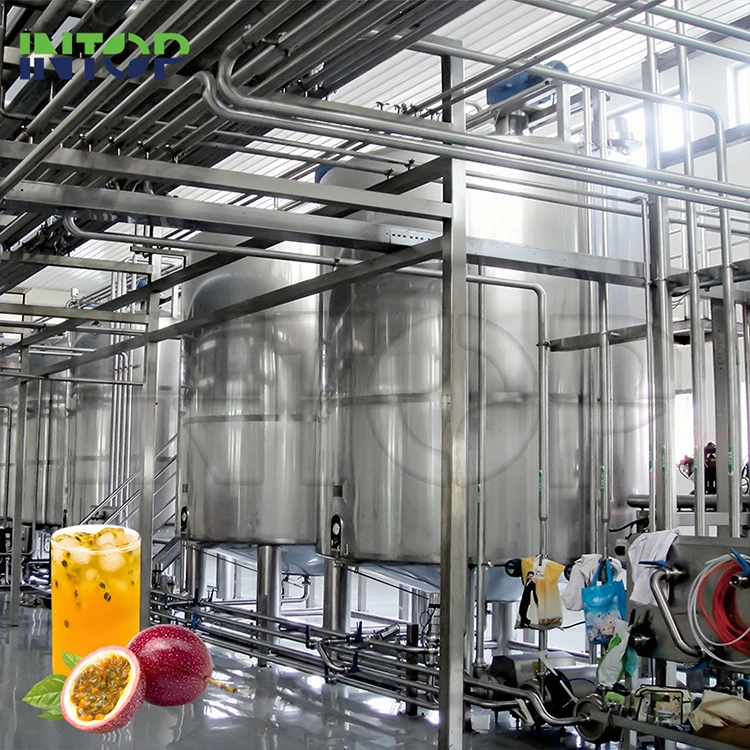
A commercial system normally combines multiple pieces of food-processing equipment into one coordinated production line. Typical equipment can include:
| Processing Stage | Typical Equipment | Main Function |
|---|---|---|
| Receiving | Receiving hopper, conveyor | Transfers incoming fruit into controlled processing. |
| Sorting | Inspection conveyor, sorting equipment | Removes unsuitable, damaged, or foreign materials. |
| Washing | Fruit washer, spray washer, bubble washer | Removes soil and surface contaminants. |
| Preparation | Crusher, cutter, pulper | Breaks down fruit and prepares it for extraction. |
| Separation | Finisher, filter, separator | Controls seeds, fibers, pulp, and unwanted solids. |
| Blending | Mixing tank, dosing system | Combines juice with water, sugar, concentrates, or other ingredients. |
| Homogenization | Homogenizer | Improves suspension and consistency when required. |
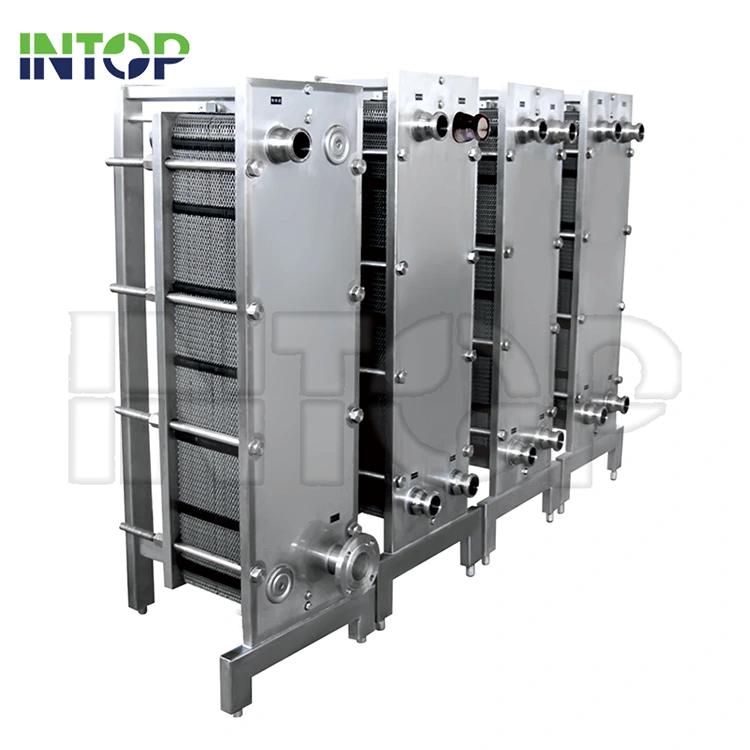
| Thermal Treatment | Pasteurizer or heat-treatment system | Provides controlled thermal processing according to the validated process. |
| Filling | Hot-fill, cold-fill, or aseptic filling equipment | Transfers finished beverage into the selected package. |
| Packaging | Capping, labeling, coding, case packing | Completes the finished-product packaging process. |
The equipment should be selected as a system. An oversized extraction machine connected to an undersized filling machine, for example, can create bottlenecks that reduce the effective output of the entire factory.
Washing and Raw Material Preparation
Raw-material handling is one of the foundations of final product quality. Strawberries can arrive with soil, leaves, stems, damaged fruit, and other foreign materials. Sorting and washing therefore need to be integrated into the beginning of the line rather than treated as secondary operations.
A practical preparation sequence may include receiving, visual inspection, removal of unsuitable fruit, washing, draining, and controlled transfer to the crushing or pulping stage.
- Use food-contact-compatible equipment surfaces.
- Prevent unnecessary crushing before the intended extraction stage.
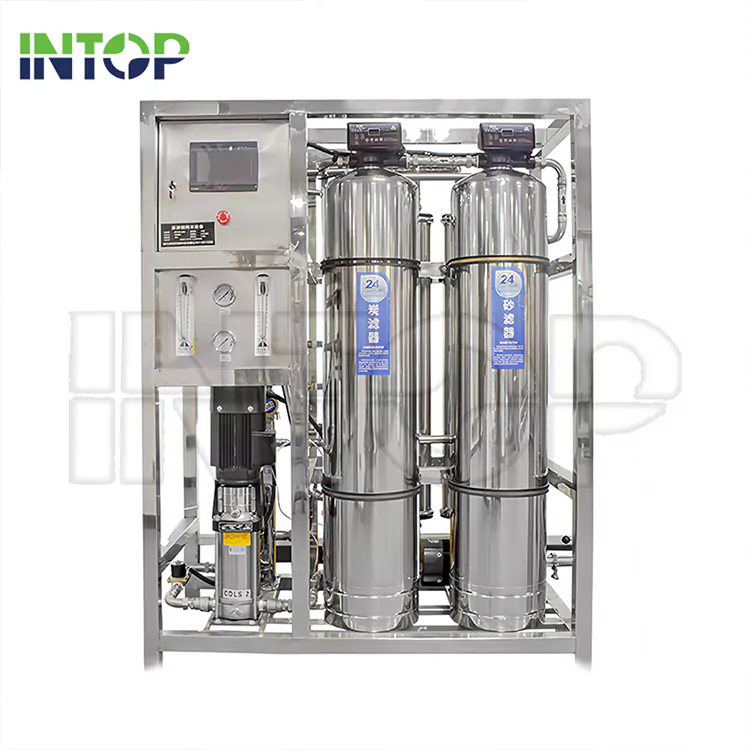
- Control wash-water quality and sanitation procedures.
- Separate raw-fruit areas from processed-product areas where appropriate.
- Design conveyors and tanks to reduce product accumulation and difficult-to-clean areas.
Good raw-material handling can reduce downstream variation. If badly damaged or overripe fruit enters the line in large quantities, no downstream machine can completely compensate for the resulting variation in flavor, color, solids, or microbial condition.
Crushing, Pulping, and Juice Extraction
The extraction stage determines much of the physical character of the final beverage. The objective is not necessarily to obtain the maximum possible extraction at any cost. Excessive mechanical treatment can increase unwanted solids, alter texture, or make subsequent clarification more difficult.
Depending on the product, strawberry processing may use crushing, pulping, refining, screening, filtration, or a combination of these operations.
A pulp-rich beverage may intentionally retain fine fruit particles, while a clear or lightly cloudy drink may require greater separation. The equipment configuration should therefore follow the desired finished-product specification.
Blending and Product Formulation
Extracted strawberry juice is often only one component of the finished beverage. Depending on the product concept, the formulation may include water, sugar, fruit concentrate, acidity regulators, stabilizers, flavors, or other permitted ingredients.
Accurate blending is important because variations in soluble solids, acidity, viscosity, and fruit concentration can affect both sensory quality and processing behavior.
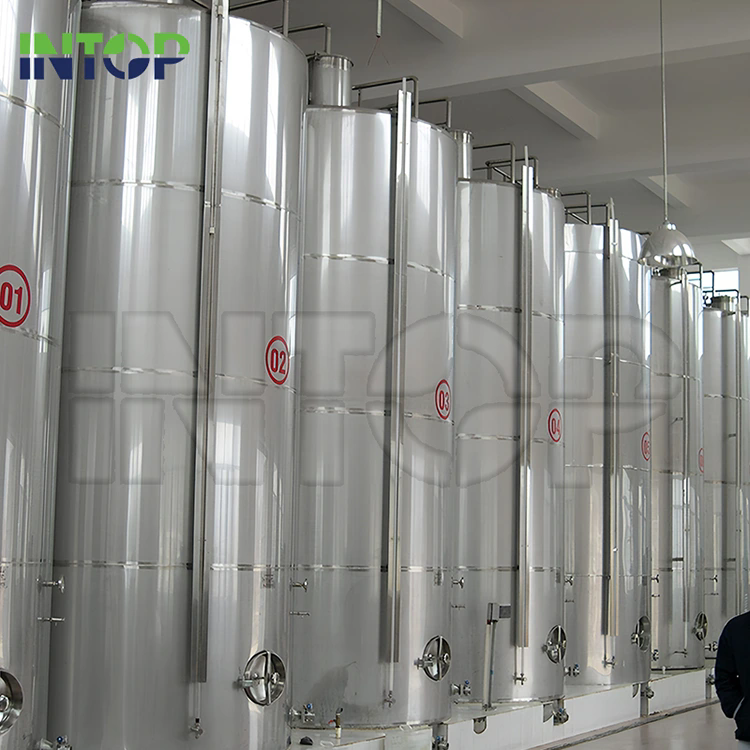
A properly designed blending system should provide controlled ingredient addition, sufficient mixing, appropriate tank volume, and hygienic product transfer. Automated dosing can also improve batch-to-batch consistency when the recipe contains multiple ingredients.
Heat Treatment and Product Safety
Thermal treatment is an important part of many commercial juice processes. However, pasteurization should not be treated as a universal temperature-and-time formula. The appropriate process depends on the beverage, acidity, solids content, equipment configuration, packaging strategy, and target product characteristics.
FDA guidance explains that juice processors subject to the U.S. juice HACCP regulation need appropriate controls for hazards identified in their hazard analysis, and that a thermal process should be established and validated for the specific product and process.
For this reason, commercial producers should not simply copy a published temperature or holding time and assume it is suitable for every strawberry beverage. Process validation and appropriate monitoring are essential.
| Control Area | Why It Matters |
|---|---|
| Product temperature | Helps ensure the intended thermal process is achieved. |
| Holding time | Provides the required exposure under the validated process. |
| Flow rate | Influences residence time in continuous systems. |
| Instrumentation | Supports accurate process monitoring and records. |
| Cooling | Helps protect product quality after thermal treatment where required. |
FDA materials also emphasize that the exact time and temperature required for juice treatment depend on the specific product and process.
Filling, Capping, and Packaging
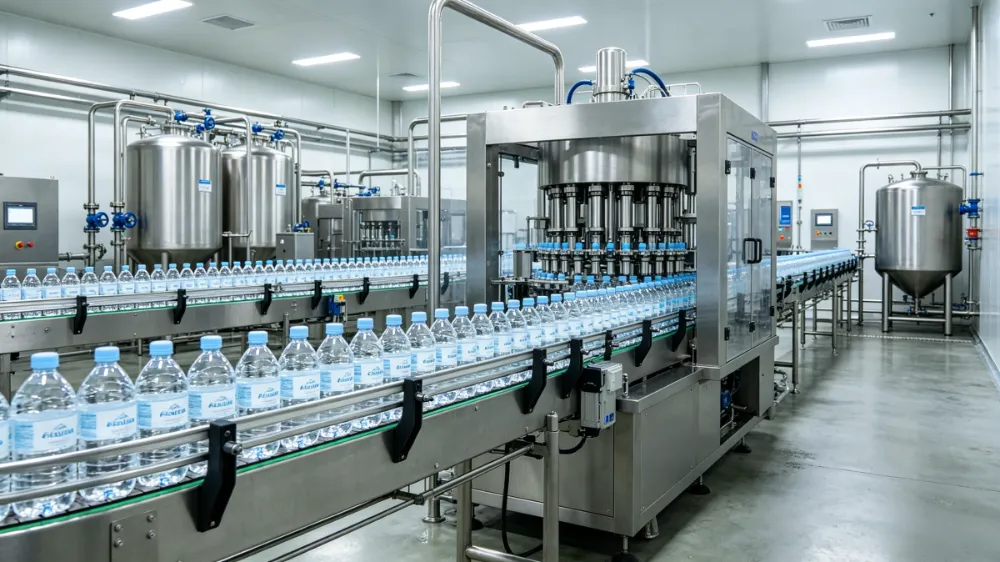
Filling is the point where the processed beverage becomes a commercial packaged product. A mismatch between processing and packaging capacity can create production interruptions, product exposure, and unnecessary labor.
Packaging choices can include glass bottles, PET containers, cans, cartons, pouches, or other formats depending on the product and market. Each format can require a different filling and sealing configuration.
- Choose filling equipment according to beverage viscosity and pulp content.
- Match the filler to the selected container and closure.
- Control filling temperature when using hot-fill processing.
- Minimize exposure between thermal treatment and final closure where applicable.
- Integrate capping, coding, labeling, and secondary packaging with the expected line speed.
Packaging is not merely the final step. It should be considered during the early design stage because package type can influence thermal processing, cooling, storage, logistics, and overall production economics.
Quality and Production Control Points
Consistency is one of the biggest challenges in fruit beverage manufacturing. Even strawberries from the same growing region can vary according to variety, maturity, weather, storage conditions, and harvest period.
A production line should therefore support monitoring of the characteristics that matter to the finished beverage.
| Quality Factor | Potential Production Impact | Typical Control Approach |
|---|---|---|
| Fruit maturity | Changes flavor, color, yield, and solids. | Raw-material inspection and specification. |
| Soluble solids | Influences sweetness and beverage consistency. | Routine measurement and recipe adjustment. |
| Acidity | Influences taste and processing requirements. | Controlled formulation and testing. |
| Pulp level | Affects mouthfeel, appearance, and filling performance. | Extraction and separation control. |
| Temperature | Influences thermal treatment and product quality. | Continuous or batch monitoring as applicable. |
| Oxygen exposure | Can contribute to quality deterioration. | Efficient transfer and controlled processing. |
The goal is to establish a repeatable process rather than relying entirely on operator experience. Well-defined procedures, calibrated instruments, documented checks, and appropriate corrective actions make the production system easier to manage as output increases.
How to Plan Line Capacity
One of the most common purchasing mistakes is choosing equipment according to a single advertised capacity number. The actual factory output depends on the entire line.
Before requesting a quotation, buyers should define several parameters:
- Expected fresh strawberry input per hour.
- Expected juice or puree yield.
- Finished beverage output per hour.
- Daily production hours.
- Number and size of production batches.
- Peak-season raw-material availability.
- Target bottle, can, carton, or pouch size.
- Required filling speed.
- Future production expansion plans.
It is also important to consider downtime. Cleaning, product changeover, maintenance, inspection, ingredient preparation, and packaging material replacement all affect actual output.
Common Production Problems and Practical Solutions
| Common Problem | Possible Cause | Practical Direction |
|---|---|---|
| Inconsistent juice yield | Fruit maturity or extraction conditions vary. | Strengthen raw-material specifications and extraction control. |
| Excessive pulp or sediment | Separation settings are unsuitable for the product. | Adjust pulping, screening, refining, or filtration stages. |
| Frequent line stoppages | Equipment capacities are poorly balanced. | Identify the bottleneck and balance upstream and downstream capacity. |
| Filling instability | Viscosity or particle content is inconsistent. | Stabilize formulation and match filling equipment to product properties. |
| Product quality changes after heating | Thermal process is not optimized for the product. | Validate and optimize the thermal process with appropriate technical expertise. |
| High product loss | Dead zones, inefficient transfer, or unsuitable piping. | Review tank geometry, piping, valves, pumps, and transfer procedures. |
Many of these problems are not caused by one machine. They result from poor integration between machines. This is why engineering support during the planning stage can have a major impact on the final production experience.
Why Line Customization Matters
A strawberry beverage factory may have completely different requirements from another factory producing a similar product. Differences in local fruit supply, product formulation, packaging, factory space, utilities, labor availability, and target market can all affect equipment selection.
Hubei Intop Machinery Co.,Ltd. can be positioned as an equipment partner for buyers who need a coordinated fruit and beverage processing solution rather than isolated machinery. A customized approach can consider raw-material characteristics, processing sequence, tank configuration, transfer system, thermal treatment, filling requirements, and the intended production capacity.
For a new project, the most useful technical discussion should begin with the product rather than with a machine model. Buyers can provide information such as:
- Strawberry variety and raw-material condition.
- Fresh juice, pulp beverage, nectar, concentrate, or blended drink concept.
- Target production capacity.
- Desired fruit content and texture.
- Target package type and volume.
- Expected storage conditions.
- Available steam, electricity, water, compressed air, and factory space.
- Future expansion requirements.
With these details, the production line can be configured around the actual manufacturing objective. This can reduce unnecessary equipment, improve process coordination, and make future upgrades easier to plan.
Frequently Asked Questions
A complete line can include fruit receiving, sorting, washing, crushing or pulping, extraction, refining or filtration, blending, homogenization, heat treatment, cooling, filling, capping, labeling, coding, and secondary packaging. The exact configuration depends on the beverage.
Yes. The separation and refining stages can be configured according to the required pulp content. A pulp-rich beverage generally requires a different separation strategy from a highly clarified product.
The required processing method depends on the product, process, packaging, distribution model, and applicable food regulations. Where thermal treatment is used for pathogen control, the process should be established and validated for the specific juice product rather than selected from a generic temperature chart. FDA guidance specifically notes that juice thermal processes require product-specific consideration.
Start with the expected fresh-fruit input and finished-product demand. Then consider seasonal availability, daily operating hours, cleaning time, changeover requirements, and future expansion. The capacity of extraction, processing, tanks, pasteurization, and filling should be balanced.
It can be possible when the equipment, materials, cleaning procedures, recipe system, and contamination controls are designed for multiple products. However, compatibility should be evaluated before committing to a multi-product configuration.
Provide the desired product, raw-material type, capacity, formulation, pulp level, package format, container size, target storage conditions, available utilities, and factory space. Product samples or detailed process specifications can make technical evaluation more accurate.
Because the actual factory output is determined by how the equipment works together. A high-speed machine cannot increase total production if another stage creates a bottleneck. Integrated design helps balance throughput, transfer, treatment, filling, cleaning, and packaging.
Build a Strawberry Juice Processing Solution
A successful strawberry beverage project starts with a clear understanding of the product, capacity, processing requirements, and packaging goals. From fruit preparation and extraction to blending, thermal treatment, and final filling, every stage should work as part of one coordinated system.
If you are planning a new strawberry beverage factory, upgrading an existing fruit processing line, or looking for a customized Strawberry Juice Production Line, Hubei Intop Machinery Co.,Ltd. can work with your project requirements to develop a suitable processing configuration. Contact us with your product specifications, target capacity, and packaging requirements to discuss the next step for your production project.
Note: Processing parameters, equipment configuration, and thermal treatment conditions should be determined according to the specific beverage, recipe, equipment design, applicable regulations, and validated process requirements.