English
- English
- Afrikaans
- беларускі
- Hrvatski
- lugha ya Kiswahili
- ქართული
- Кыргыз тили
- Монгол хэл
- IsiXhosa
- Somali
- O'zbek
- Hawaiian
- Հայերեն
- Español
- Português
- русский
- Français
- 日本語
- Deutsch
- tiếng Việt
- Italiano
- Nederlands
- ภาษาไทย
- Polski
- 한국어
- Svenska
- magyar
- Malay
- বাংলা ভাষার
- Dansk
- Suomi
- हिन्दी
- Pilipino
- Türkçe
- Gaeilge
- العربية
- Indonesia
- تمل
- ελληνικά
- український
- فارسی
- български
- ລາວ
- Latine
- Қазақша
- Azərbaycan
- Македонски
- Lietuvos
- Română
- Srpski језик
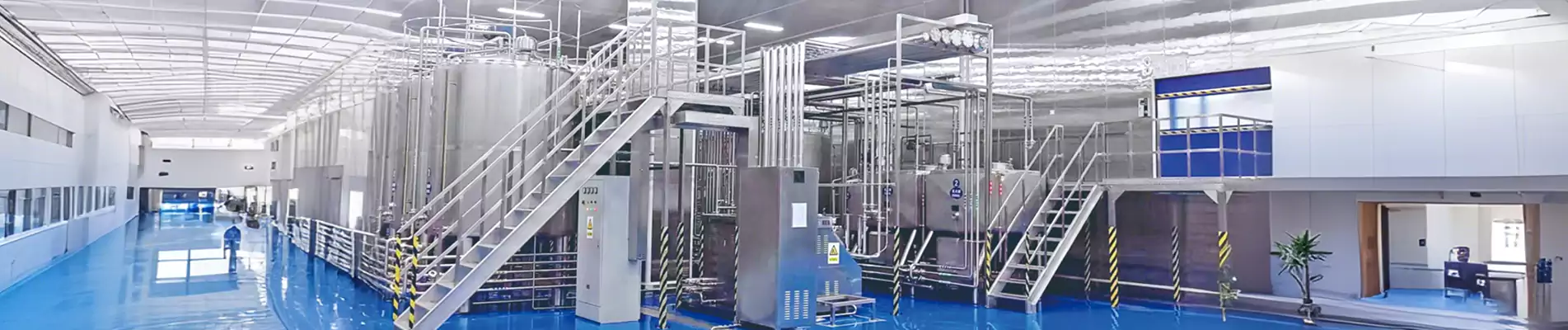


Pineapple Juice Production Line
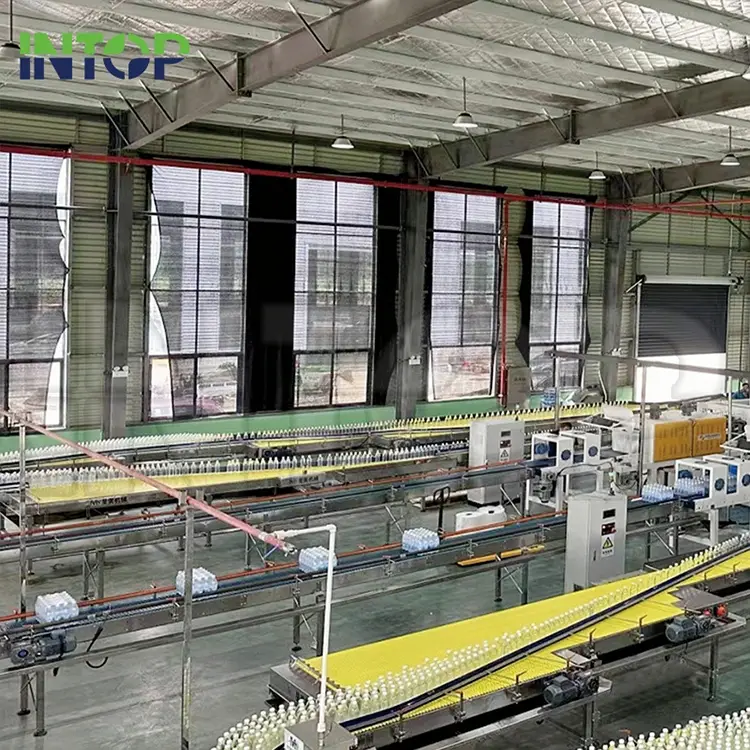
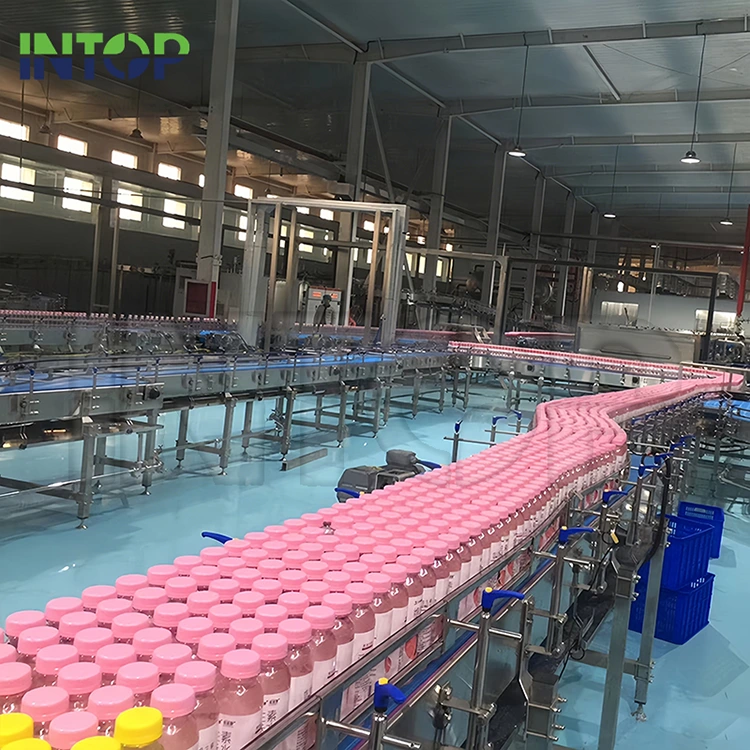
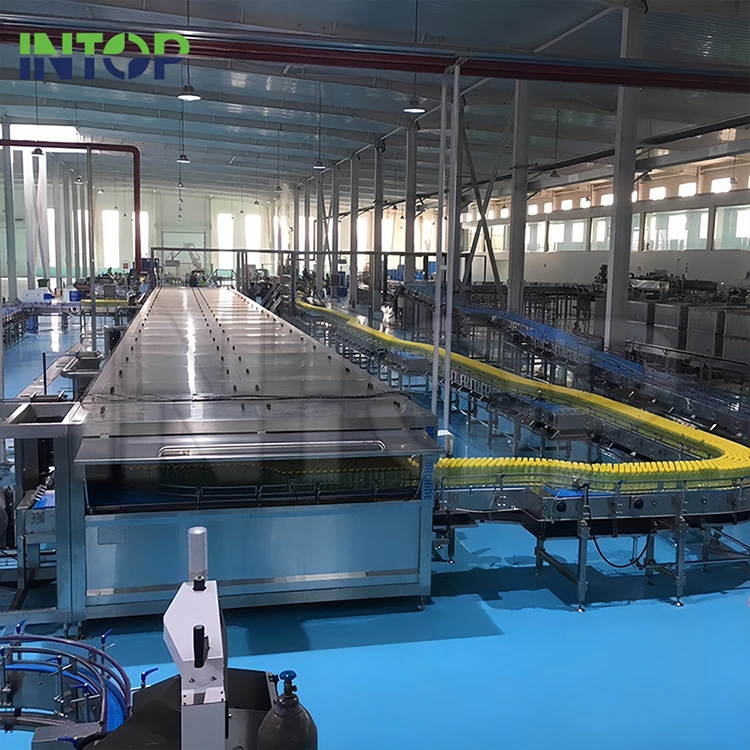
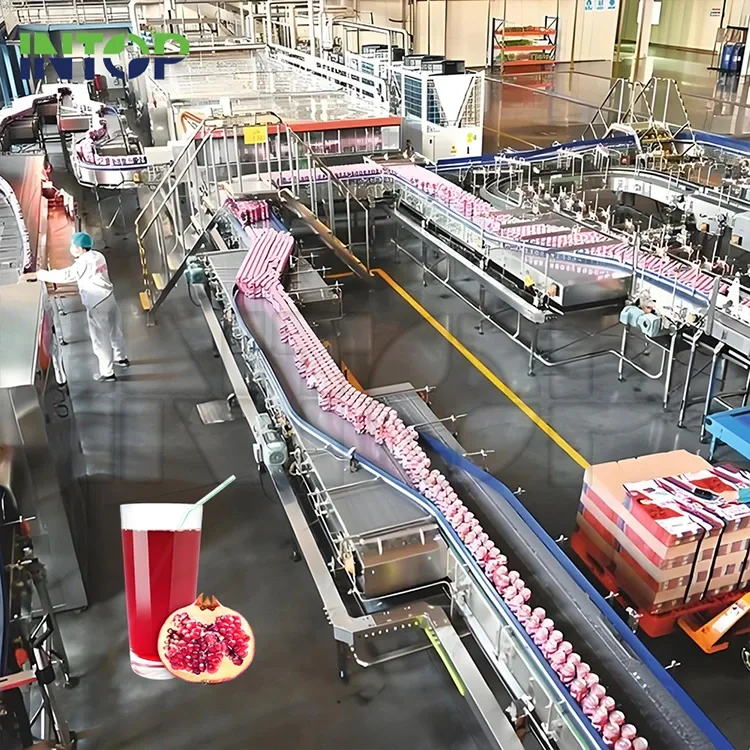
Intop is a Chinese factory that makes food machinery. If you need to establish a Pineapple Juice Production Line, we can provide comprehensive process design, from production line layout to factory planning, tailored to your specific process.
What are the health benefits of pineapple juice?
1. Hydration and Thirst Quenching: Pineapple juice is good for you because it has a lot of glucose, fructose, vitamins, citric acid, and protein. It helps cool you down, detoxify you, and keep you hydrated.
2. Blood Pressure and Lipid Reduction: Rich in potassium and calcium ions, pineapple juice helps prevent edema while effectively lowering blood pressure and reducing blood lipids.
3. Helps with constipation: Pineapple juice gets the digestive system moving, which helps with constipation and speeds up the removal of toxins.
4. Increases Appetite: Pineapple juice helps with digestion, strengthens the spleen, and stops diarrhoea. Butyl acetate, which makes saliva flow and makes you hungry, gives it its delicious smell.
What is the general process flow of a Pineapple Juice Production Line?
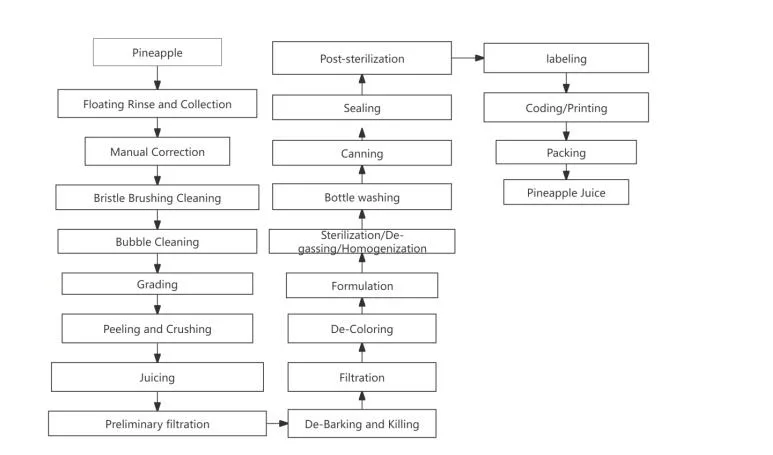
1. Raw Material Selection:In the Pineapple Juice Production Lines,The fruits should be free of rot and pests, and the maturity should be between 80% and 100%.
2. Washing: Use clean water to wash the dirt off the skins of the fruit.
3. Cutting and Peeling: Pineapples have a lot of bromelain and tannins in their peel, so if you don't handle them right, the quality of the product can suffer. Therefore, the peel must be removed manually.
4. Juicing: Put the peeled pineapple into a screw juicer. After the first pressing, mix the pulp with a small amount of clean water, then re-press to improve juice yield.
5. Filtration: Freshly pressed juice has a lot of rough fibre and other things that shouldn't be there. It goes through coarse filtration first, then fine filtration. Coarse filtration employs a scraper filter with a mesh size of approximately 0.5-1.0mm, designed to remove coarse fiber and other impurities. Fine filtration uses a centrifugal filter with a mesh size of 200-600 to get rid of all suspended solids and colloidal particles that tend to settle out.
6. Degassing: When juice is processed, it comes into contact with air, which increases the gas content. Taking out oxygen stops or slows down the oxidation of pigments, vitamin C, aroma compounds, and other substances, which keeps the quality from getting worse. Use vacuum degassing. Add lemon acid at a certain percentage of the final product to change the acidity. A spray pipe sends the juice into the degasser through a liquid surface control valve while the machine is under a vacuum. A screw pump pumps the juice out after it has been degassed.
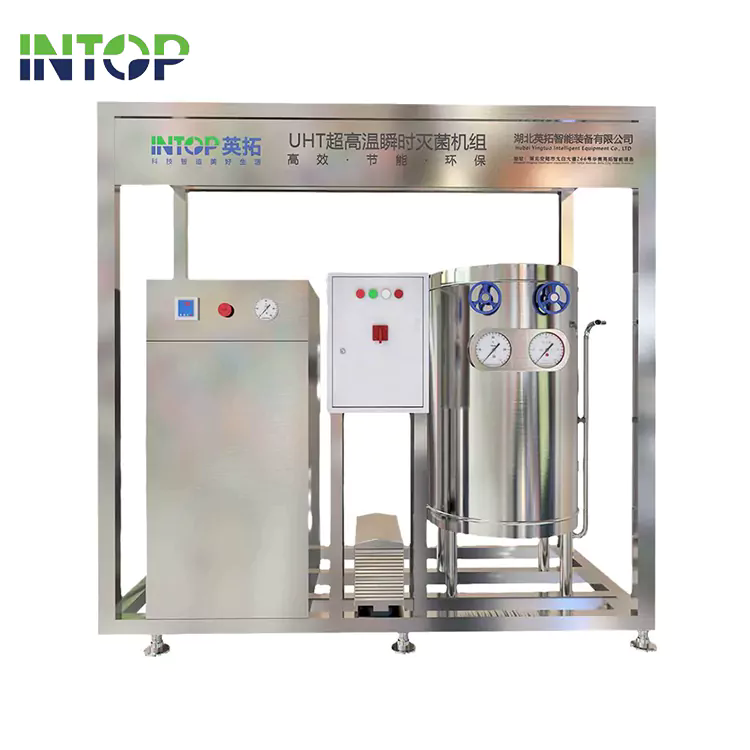
7. Sterilisation: Use a heat exchanger to sterilise right away. For 15 to 30 seconds, the normal temperature for sterilisation is 93±2℃.
8. Cooling: After sterilising, cool the juice in a cleaned heat exchange device. During this process, the sterilised juice and raw juice exchange heat, which cools the sterilised juice to about 50°C and warms up the raw juice.
9. Concentration: Put the juice in a vacuum concentrator and add 0.5g/kg of sodium benzoate to it. Control vacuum around 640 mmHg with boiling temperatures between 48-55°C. The steam pressure used for heating is between 0.5 and 1.5 kg/cm² (gauge pressure). The concentrate is ready to be released when the total sugar conversion reaches 57.5–60%.
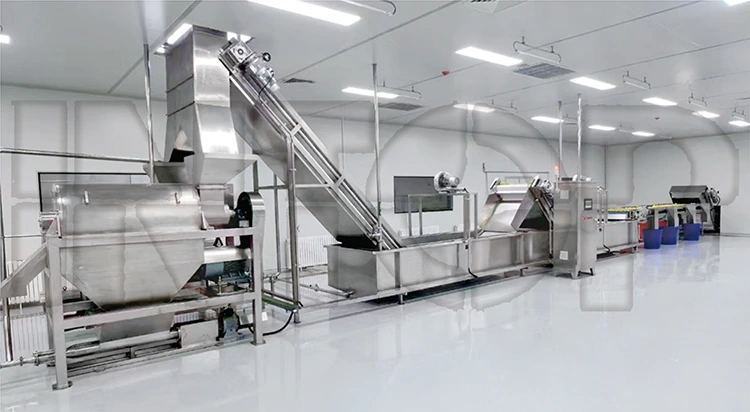
Hot Tags: Pineapple Juice Production Line
Send Inquiry
Contact Info
-
Address
No. 266 Taibai Avenue, Huamei Intelligent Manufacturing Industrial New City, Zone A, Anlu City, Hubei Province, China
-
Tel
-
E-mail
For inquiries about Production Line, Juicing Machine and Water Treatment System or price list, please leave your email to us and we will be in touch within 24 hours.