English
- English
- Afrikaans
- беларускі
- Hrvatski
- lugha ya Kiswahili
- ქართული
- Кыргыз тили
- Монгол хэл
- IsiXhosa
- Somali
- O'zbek
- Hawaiian
- Հայերեն
- Español
- Português
- русский
- Français
- 日本語
- Deutsch
- tiếng Việt
- Italiano
- Nederlands
- ภาษาไทย
- Polski
- 한국어
- Svenska
- magyar
- Malay
- বাংলা ভাষার
- Dansk
- Suomi
- हिन्दी
- Pilipino
- Türkçe
- Gaeilge
- العربية
- Indonesia
- تمل
- ελληνικά
- український
- فارسی
- български
- ລາວ
- Latine
- Қазақша
- Azərbaycan
- Македонски
- Lietuvos
- Română
- Srpski језик

How Does a Semi Automatic Water Treatment System Support Industrial and Municipal Water Management?
Article Abstract
A Semi Automatic Water Treatment System is widely applied in industrial production, municipal infrastructure, and commercial water management scenarios where stable water quality and controlled operation are required. This article provides a comprehensive explanation of how such systems function, how they are configured, and how they are evaluated from a technical and operational perspective. It focuses on system structure, operating principles, detailed parameters, and common technical questions, offering a clear reference for decision-makers and engineers seeking reliable water treatment solutions.
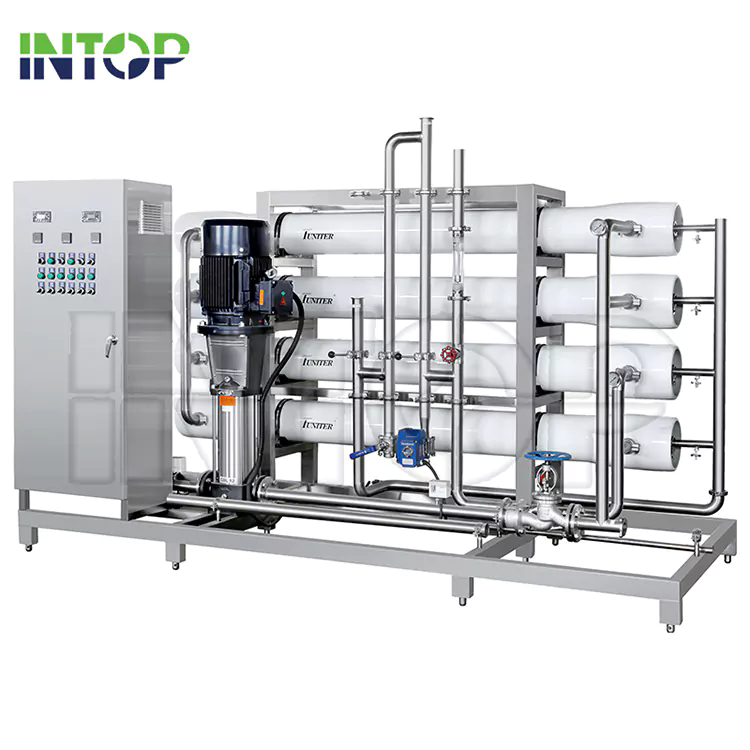
Table of Contents
- Article Outline
- System Overview and Core Purpose
- System Structure and Working Logic
- Technical Parameters and Configuration Details
- Application Scenarios and Operational Considerations
- Semi Automatic Water Treatment System FAQs
- Conclusion and Contact Information
Article Outline
- Introduction to semi-automatic water treatment concepts
- Analysis of system components and operational workflow
- Detailed presentation of technical parameters
- Common application environments and system adaptability
- Frequently asked technical and operational questions
- Brand reference and cooperation guidance
System Overview and Core Purpose
A Semi Automatic Water Treatment System is designed to balance operational control and automation efficiency by integrating manual intervention with automated processes. Unlike fully manual systems that rely entirely on operator experience, or fully automatic systems that require advanced control infrastructure, semi-automatic systems provide a structured and reliable approach to water treatment with moderate automation complexity.
The central purpose of this system is to ensure consistent water quality through controlled filtration, chemical dosing, backwashing, and monitoring processes. It is commonly deployed in environments where water quality standards must be met continuously, yet operational flexibility and cost control remain important considerations.
By combining programmable control units with manual adjustment points, a Semi Automatic Water Treatment System supports stable operation while allowing on-site personnel to intervene when necessary. This operational logic makes it suitable for industrial plants, municipal water stations, and commercial facilities requiring predictable and manageable water treatment performance.
System Structure and Working Logic
The system structure typically consists of pretreatment units, filtration modules, dosing equipment, control panels, and monitoring instruments. Each component plays a defined role within the overall workflow, ensuring that raw water is processed according to predetermined quality requirements.
Main Structural Components
- Raw water inlet and pretreatment unit
- Media or membrane filtration system
- Chemical dosing and mixing equipment
- Semi-automatic control panel with programmable logic
- Pressure, flow, and quality monitoring instruments
- Backwash and discharge system
The working logic follows a sequence-based operation. Automated controls manage routine tasks such as filtration cycles and backwashing intervals, while operators supervise parameter settings and initiate specific processes when required. This approach reduces operational error while maintaining system adaptability.
Technical Parameters and Configuration Details
Technical parameters define the operational boundaries and performance expectations of a Semi Automatic Water Treatment System. These parameters vary depending on application scale, influent water quality, and treatment objectives.
| Parameter Item | Typical Specification Range | Description |
|---|---|---|
| Processing Capacity | 5–500 m³/h | Defines the volume of water treated per hour |
| Operating Pressure | 0.2–0.6 MPa | Ensures stable filtration and system safety |
| Control Mode | Semi Automatic | Combination of automated cycles and manual control |
| Power Supply | 380V / 50Hz | Standard industrial electrical configuration |
| Filtration Accuracy | 1–50 μm | Determined by filter media or membrane selection |
| Backwash Method | Time or Pressure Differential | Triggered based on system condition |
These parameters provide a technical framework for evaluating system suitability and long-term operational stability. Proper parameter matching is essential to achieve consistent water treatment results.
Application Scenarios and Operational Considerations
Semi Automatic Water Treatment Systems are commonly applied across multiple sectors. Their adaptability allows integration into existing infrastructure without extensive modification.
- Industrial process water preparation
- Cooling water circulation systems
- Municipal water pretreatment stations
- Commercial buildings and facilities management
Operational considerations include routine inspection, parameter calibration, and consumable replacement. The semi-automatic design simplifies training requirements while maintaining controlled operational standards.
Semi Automatic Water Treatment System FAQs
Q: How does a Semi Automatic Water Treatment System differ from a fully automatic system?
A: A semi-automatic system combines automated process control with manual intervention points, allowing operators to adjust parameters and initiate specific actions, whereas fully automatic systems rely entirely on pre-programmed logic.
Q: What type of water sources can be treated using this system?
A: The system is suitable for groundwater, surface water, and industrial process water, provided that pretreatment configurations are selected according to influent quality conditions.
Q: How is system stability maintained during long-term operation?
A: Stability is maintained through controlled filtration cycles, monitored pressure differentials, and regular maintenance procedures aligned with system parameters.
Conclusion and Contact Information
A Semi Automatic Water Treatment System provides a structured and practical solution for water management environments that require operational reliability without excessive automation complexity. Through balanced control logic, clearly defined parameters, and adaptable configurations, such systems continue to support industrial and municipal water treatment demands.
As a professional brand in the water treatment equipment sector, Intop focuses on delivering stable and application-oriented system solutions designed to meet diverse operational requirements. Technical support and configuration guidance are provided to ensure system compatibility and long-term performance.
For detailed specifications, customized configurations, or project consultation, please contact the Intop team to discuss specific water treatment requirements and implementation strategies.
Related News
- Tubular UHT Sterilizer Technology Advances Support the Growth of Aseptic Beverage Processing
- What Makes a Strawberry Juice Production Line Efficient, Safe, and Ready for Commercial Scale?
- Bottled Water Production Line: 10 Factors Before Investment
- How to Build a Juice Production Line That Handles Multiple Fruit Types
- What It Takes to Scale an Energy Drink Production Line for Global Demand
- How Does a Water Treatment System Work in a Beverage Production Line?
Leave me a message