English
- English
- Afrikaans
- беларускі
- Hrvatski
- lugha ya Kiswahili
- ქართული
- Кыргыз тили
- Монгол хэл
- IsiXhosa
- Somali
- O'zbek
- Hawaiian
- Հայերեն
- Español
- Português
- русский
- Français
- 日本語
- Deutsch
- tiếng Việt
- Italiano
- Nederlands
- ภาษาไทย
- Polski
- 한국어
- Svenska
- magyar
- Malay
- বাংলা ভাষার
- Dansk
- Suomi
- हिन्दी
- Pilipino
- Türkçe
- Gaeilge
- العربية
- Indonesia
- تمل
- ελληνικά
- український
- فارسی
- български
- ລາວ
- Latine
- Қазақша
- Azərbaycan
- Македонски
- Lietuvos
- Română
- Srpski језик

How Does a Tea Beverage Production Line Enhance Efficiency and Quality?
Summary: The tea beverage industry is booming globally, creating a high demand for efficient, high-quality production. A Tea Beverage Production Line offers an automated solution to streamline processes, ensure consistent flavor, and reduce labor costs. This article explores how these production lines work, their benefits, and key considerations for businesses aiming to optimize tea beverage manufacturing.
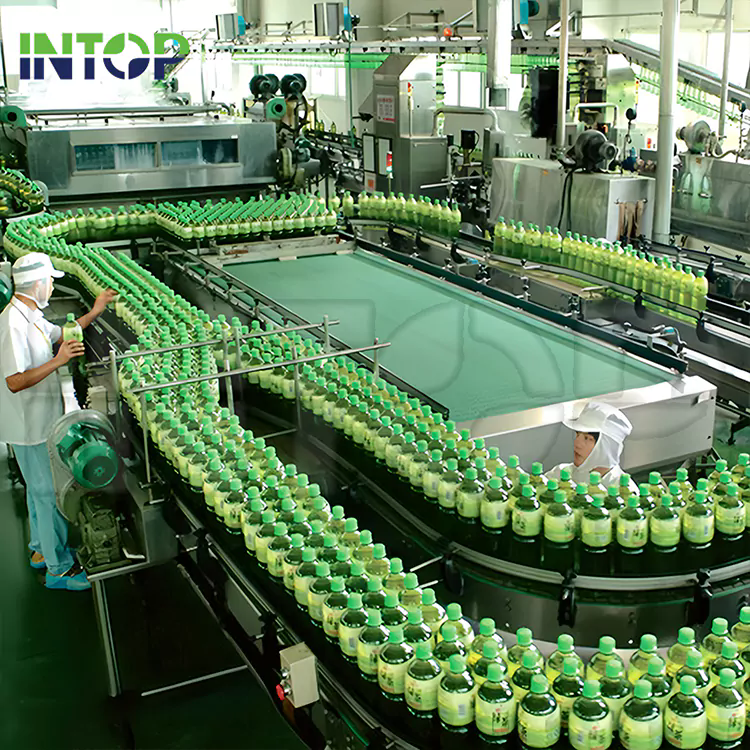
Table of Contents
- Introduction
- Core Components of a Tea Beverage Production Line
- Tea Beverage Production Process Flow
- Benefits of Using a Tea Beverage Production Line
- Key Factors When Choosing a Production Line
- Maintenance and Operational Tips
- Frequently Asked Questions
- Conclusion
Introduction
The global demand for tea beverages is increasing due to rising consumer preferences for health-conscious and flavored drinks. Traditional manual production methods are often inefficient, prone to contamination, and inconsistent in quality. A modern Tea Beverage Production Line addresses these challenges by integrating advanced machinery and automation. Companies like INTOP provide scalable production solutions that cater to both small and large-scale operations.
Core Components of a Tea Beverage Production Line
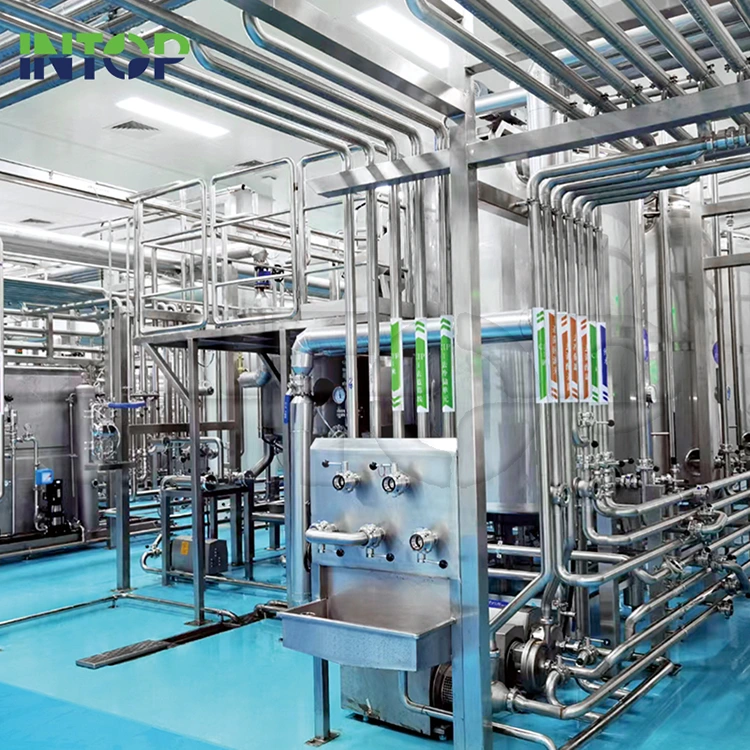
A typical tea beverage production line consists of several interconnected machines that work together seamlessly. Understanding each component helps manufacturers optimize production efficiency.
- Tea Extractor: Extracts natural tea flavors efficiently while maintaining quality.
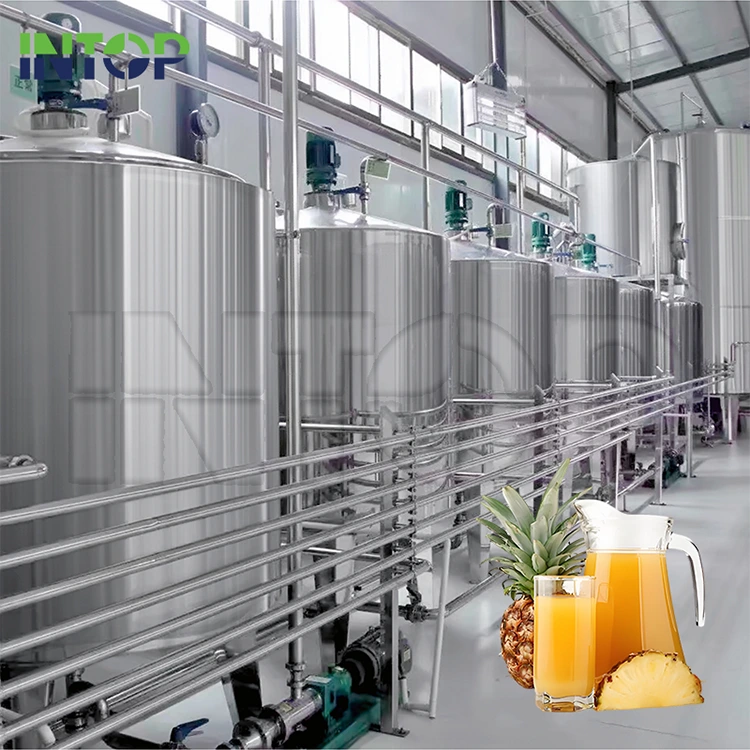
- Mixing Tank: Combines tea extract, water, sugar, and other ingredients uniformly.
- Homogenizer: Ensures a consistent texture and prevents ingredient separation.
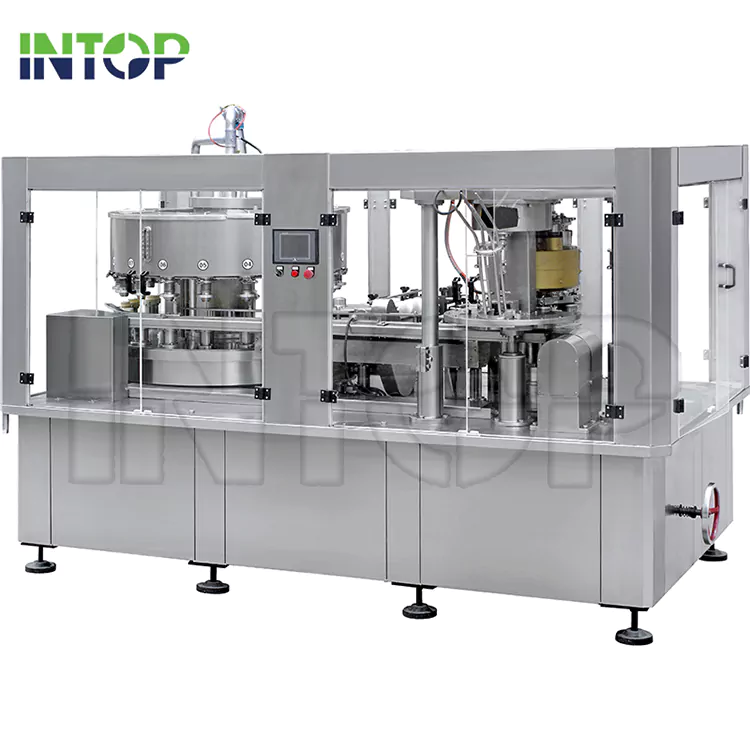
- Filling Machine: Automates the packaging process, reducing human error.
- Capping and Sealing Unit: Ensures leak-proof packaging for transportation and storage.
- Labeling Machine: Adds brand-specific labels accurately and efficiently.
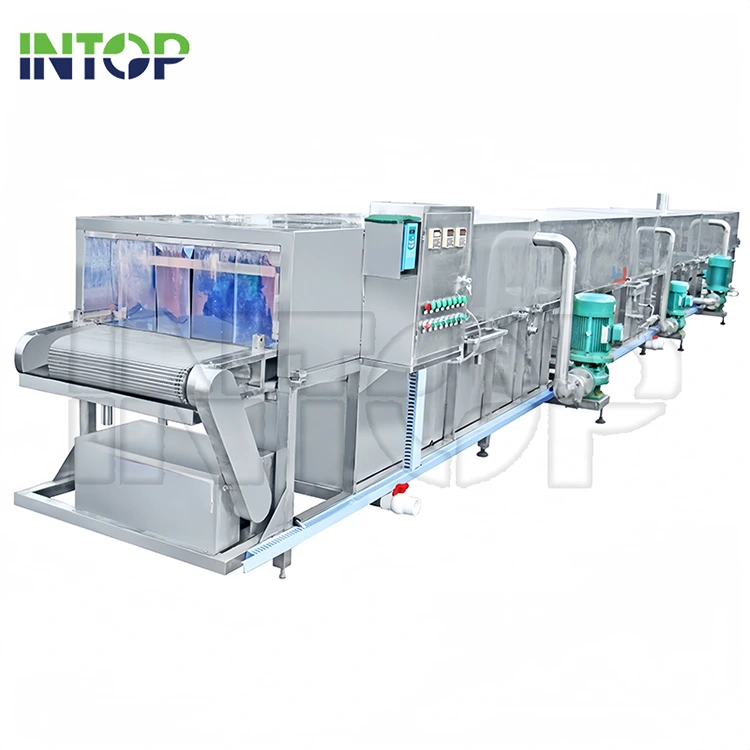
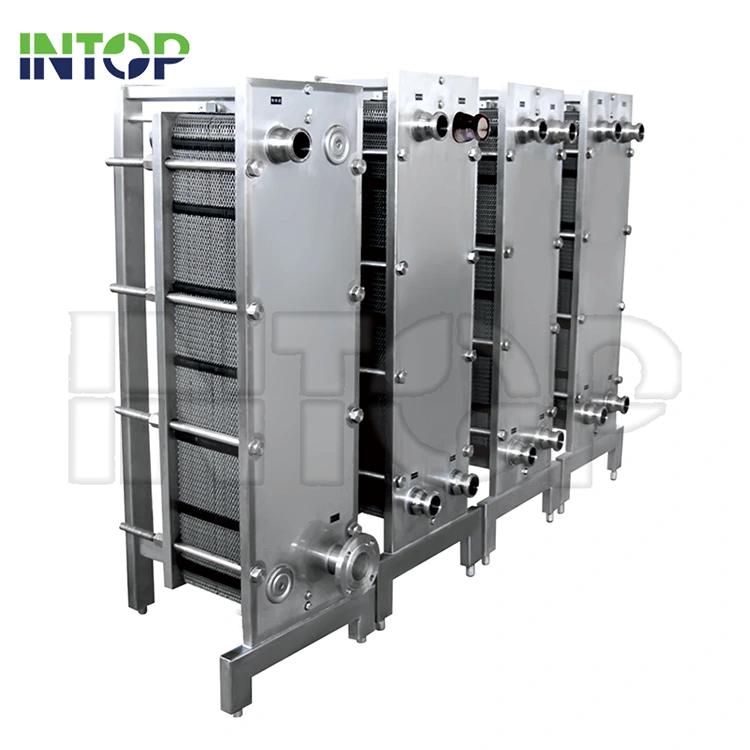
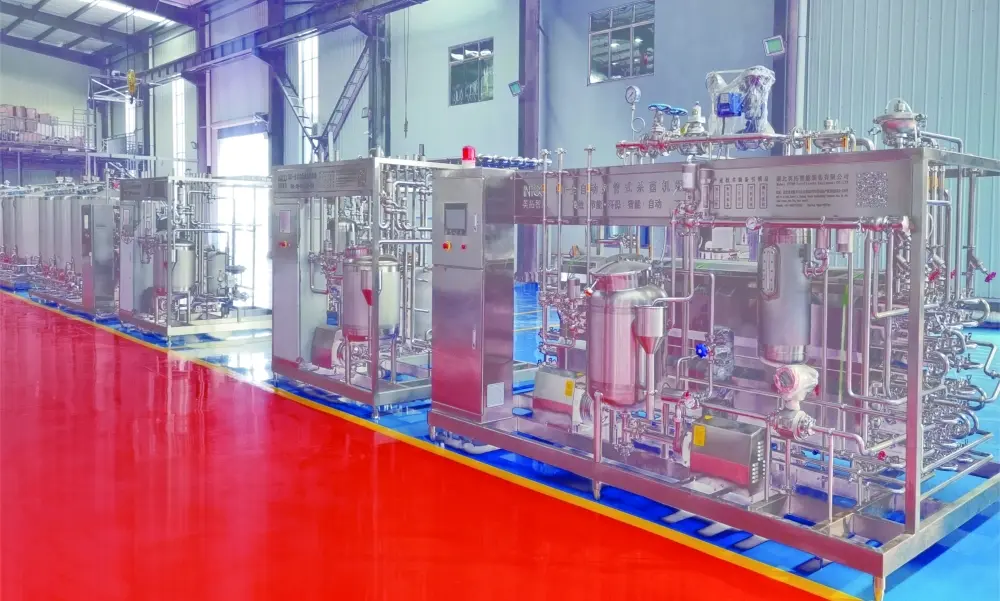
- Pasteurization System: Enhances product shelf life while preserving flavor.
Tea Beverage Production Process Flow
The production process of tea beverages is systematic and carefully monitored to ensure consistent quality. The general steps are as follows:
- Raw Material Preparation: Selection and preparation of tea leaves and additives.
- Extraction: Hot water or steam extracts tea flavor from leaves in the tea extractor.
- Blending: Mixing extracted tea with sweeteners, flavors, or milk in the mixing tank.
- Homogenization: Creating a uniform texture and stable solution using the homogenizer.
- Filling and Sealing: Automated machines fill beverages into bottles or cartons and seal them securely.
- Pasteurization: Heat treatment for extended shelf life.
- Labeling and Packaging: Applying labels and preparing products for shipment.
Below is a table summarizing key production steps and their purpose:
| Step | Machine/Equipment | Purpose |
|---|---|---|
| Extraction | Tea Extractor | Extract natural tea flavor efficiently |
| Blending | Mixing Tank | Uniform mixing of ingredients |
| Homogenization | Homogenizer | Maintain consistent texture |
| Filling & Sealing | Filling Machine & Capping Unit | Automated packaging to reduce errors |
| Pasteurization | Pasteurization System | Extend product shelf life |
Benefits of Using a Tea Beverage Production Line
Investing in an automated tea beverage production line brings numerous advantages:
- Consistency: Ensures uniform taste, color, and quality in every batch.
- Efficiency: Automates repetitive tasks, increasing production speed and reducing labor costs.
- Hygiene: Minimizes human contact, reducing the risk of contamination.
- Scalability: Easy to scale production according to market demand.
- Customization: Capable of producing a variety of tea beverages with different flavors and ingredients.
Key Factors When Choosing a Production Line
Before investing in a tea beverage production line, businesses should consider:
- Capacity Requirements: Match the line to your production volume to avoid under- or over-investment.
- Automation Level: Higher automation reduces labor but requires higher initial costs.
- Material Compatibility: Ensure the line can handle different tea types and additives.
- Energy Efficiency: Energy-saving equipment reduces long-term operational costs.
- After-Sales Support: Choose suppliers like INTOP who offer comprehensive service and technical support.
Maintenance and Operational Tips
Proper maintenance is crucial for the longevity and efficiency of the production line:
- Regularly clean all tanks, pipes, and filling machines to prevent contamination.
- Inspect mechanical components like motors, belts, and valves for wear and tear.
- Monitor temperature and pressure during extraction and pasteurization for consistent quality.
- Keep a maintenance log to schedule preventive checks and replacements.
Frequently Asked Questions
-
Q: What types of tea can be processed on the production line?
A: Green, black, oolong, and flavored teas are all suitable for automated production. -
Q: Can the line produce ready-to-drink beverages with milk?
A: Yes, the mixing and homogenizing units allow the addition of milk, juice, or other liquids. -
Q: How long does it take to set up a production line?
A: Depending on complexity, installation and testing typically take 2–4 weeks. -
Q: Is the production line customizable?
A: Absolutely. Suppliers like INTOP can tailor the line to specific production needs.
Conclusion
A Tea Beverage Production Line is an essential investment for companies seeking to improve efficiency, maintain consistent quality, and scale production. With advanced machinery and automation, manufacturers can meet rising consumer demand while reducing labor costs and maintaining hygiene standards. INTOP offers comprehensive solutions designed to optimize every stage of tea beverage production.
Ready to elevate your tea beverage production? Contact us today and discover the perfect production line for your business!
Related News
- Tubular UHT Sterilizer Technology Advances Support the Growth of Aseptic Beverage Processing
- What Makes a Strawberry Juice Production Line Efficient, Safe, and Ready for Commercial Scale?
- Bottled Water Production Line: 10 Factors Before Investment
- How to Build a Juice Production Line That Handles Multiple Fruit Types
- What It Takes to Scale an Energy Drink Production Line for Global Demand
- How Does a Water Treatment System Work in a Beverage Production Line?
Leave me a message