English
- English
- Afrikaans
- беларускі
- Hrvatski
- lugha ya Kiswahili
- ქართული
- Кыргыз тили
- Монгол хэл
- IsiXhosa
- Somali
- O'zbek
- Hawaiian
- Հայերեն
- Español
- Português
- русский
- Français
- 日本語
- Deutsch
- tiếng Việt
- Italiano
- Nederlands
- ภาษาไทย
- Polski
- 한국어
- Svenska
- magyar
- Malay
- বাংলা ভাষার
- Dansk
- Suomi
- हिन्दी
- Pilipino
- Türkçe
- Gaeilge
- العربية
- Indonesia
- تمل
- ελληνικά
- український
- فارسی
- български
- ລາວ
- Latine
- Қазақша
- Azərbaycan
- Македонски
- Lietuvos
- Română
- Srpski језик

How Does Reverse Osmosis Equipment Improve Water Purification?
Abstract: Reverse osmosis (RO) equipment has become a cornerstone in modern water treatment for producing pure, high-purity, and ultrapure water. This article explores the working principles, benefits, applications, and maintenance of RO systems while addressing common user concerns. Intop provides advanced RO solutions tailored to diverse industrial and commercial needs.
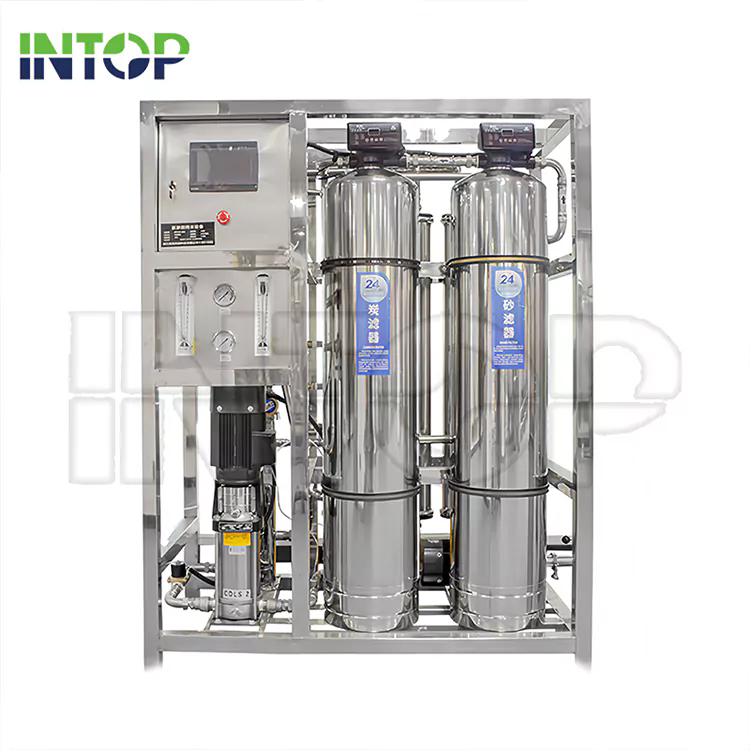
Table of Contents
Introduction to Reverse Osmosis Equipment
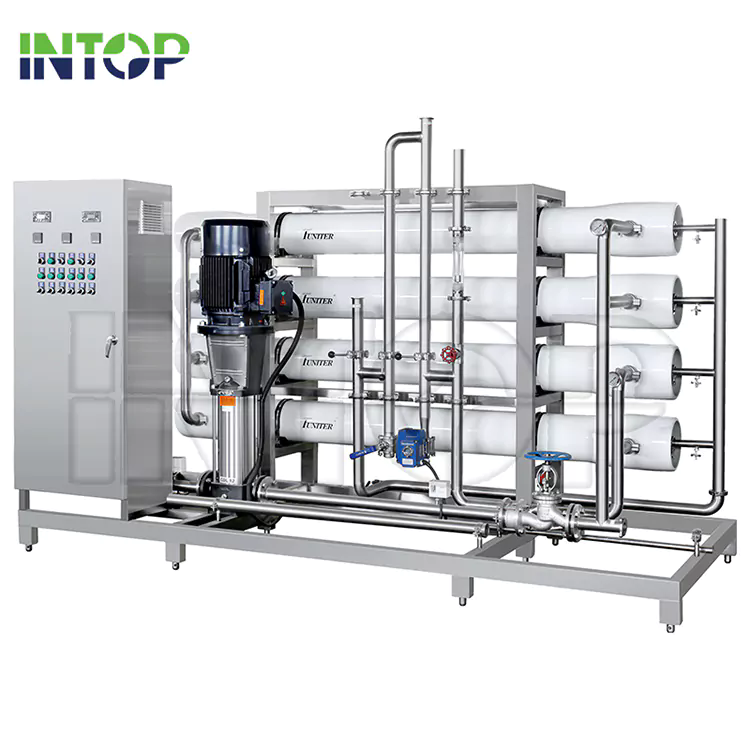
Reverse osmosis equipment is widely used to transform raw water into clean, potable water or ultrapure water for industrial processes. RO systems work by applying pressure to force water through a semipermeable membrane, removing dissolved salts, minerals, and impurities. Intop's RO solutions are designed for efficiency, reliability, and ease of operation, meeting the rigorous standards of modern water treatment projects.
How Reverse Osmosis Works
The RO process relies on a semipermeable membrane that separates contaminants from water molecules. High-pressure pumps push water through the membrane, allowing clean water to pass while rejecting salts, heavy metals, and other impurities. The process effectively reduces total dissolved solids (TDS) and improves water quality for various applications.
- Feed Water Intake: Raw water enters the RO system.
- Pre-Filtration: Removes sediment, chlorine, and particles that could damage the membrane.
- High-Pressure Pump: Forces water through the RO membrane.
- RO Membrane: Separates pure water from contaminants.
- Post-Treatment: Optional processes like UV sterilization or remineralization.
- Permeate and Concentrate: Clean water (permeate) is collected; rejected contaminants (concentrate) are discharged.
Key Components of RO Equipment
| Component | Description | Function |
|---|---|---|
| RO Membrane | High-efficiency imported semipermeable membrane | Removes dissolved salts and impurities |
| High-Pressure Pump | Energy-efficient pump | Provides necessary pressure for water to pass through the membrane |
| Pre-Filters | Sediment and carbon filters | Protect membranes by removing large particles and chlorine |
| Control System | Automated monitoring and operation system | Ensures stable and efficient performance |
| Storage Tank | Stainless steel or polymer tanks | Stores treated water for immediate use |
Applications Across Industries
RO equipment is versatile and widely applied in:
- Food & Beverage: Produces high-purity water for beverages, dairy, and juice processing.
- Pharmaceuticals: Supplies ultrapure water for medicine manufacturing and laboratory use.
- Industrial Processes: Reduces scaling and corrosion in boilers and cooling systems.
- Residential and Commercial: Provides safe drinking water in homes, hotels, and offices.
- Electronics & Semiconductor: Ensures ultra-clean water for production lines.
Advantages of Using RO Systems
- High Water Purity: Removes up to 99% of dissolved salts and contaminants.
- Energy Efficiency: Modern RO pumps minimize energy consumption.
- Low Maintenance: User-friendly systems reduce operational complexity.
- Scalability: Suitable for small-scale domestic setups to large industrial plants.
- Reliable Quality: Consistent water quality for sensitive industrial applications.
Maintenance and Operational Tips
Proper maintenance extends the lifespan and efficiency of RO equipment:
- Regularly replace pre-filters and membranes according to manufacturer guidelines.
- Monitor water pressure and flow to prevent membrane damage.
- Perform periodic cleaning to remove scaling and fouling.
- Check control systems and sensors to ensure accurate operation.
- Use water softeners if feed water has high hardness to protect membranes.
Frequently Asked Questions
-
Q1: How often should RO membranes be replaced?
A1: Typically, every 2-3 years depending on water quality and usage. -
Q2: Can RO systems remove bacteria and viruses?
A2: Yes, combined with pre- and post-treatment, RO can effectively remove microbial contaminants. -
Q3: Is RO water safe to drink daily?
A3: Yes, but RO water is low in minerals. Some users may choose to remineralize for taste and health benefits.
Contact Intop
Intop offers tailored reverse osmosis solutions for a wide range of applications. Our expert team can guide you in selecting, installing, and maintaining the ideal RO system for your needs. For more information or to request a quote, contact us today and experience reliable water purification solutions.
Related News
- Tubular UHT Sterilizer Technology Advances Support the Growth of Aseptic Beverage Processing
- What Makes a Strawberry Juice Production Line Efficient, Safe, and Ready for Commercial Scale?
- Bottled Water Production Line: 10 Factors Before Investment
- How to Build a Juice Production Line That Handles Multiple Fruit Types
- What It Takes to Scale an Energy Drink Production Line for Global Demand
- How Does a Water Treatment System Work in a Beverage Production Line?
Leave me a message