English
- English
- Afrikaans
- беларускі
- Hrvatski
- lugha ya Kiswahili
- ქართული
- Кыргыз тили
- Монгол хэл
- IsiXhosa
- Somali
- O'zbek
- Hawaiian
- Հայերեն
- Español
- Português
- русский
- Français
- 日本語
- Deutsch
- tiếng Việt
- Italiano
- Nederlands
- ภาษาไทย
- Polski
- 한국어
- Svenska
- magyar
- Malay
- বাংলা ভাষার
- Dansk
- Suomi
- हिन्दी
- Pilipino
- Türkçe
- Gaeilge
- العربية
- Indonesia
- تمل
- ελληνικά
- український
- فارسی
- български
- ລາວ
- Latine
- Қазақша
- Azərbaycan
- Македонски
- Lietuvos
- Română
- Srpski језик

How Does a Dairy Production Line Improve Efficiency and Product Quality?
Article Summary
The global demand for dairy products continues to grow, placing increasing pressure on manufacturers to produce safe, consistent, and high-quality milk products. A modern dairy production line integrates automated equipment, hygienic design, and precise process control to transform raw milk into finished dairy products efficiently. This article explains how dairy production lines operate, the core equipment involved, the typical production workflow, and how manufacturers can improve productivity while maintaining strict hygiene standards. It also highlights common challenges faced by dairy producers and practical solutions offered by advanced processing systems.
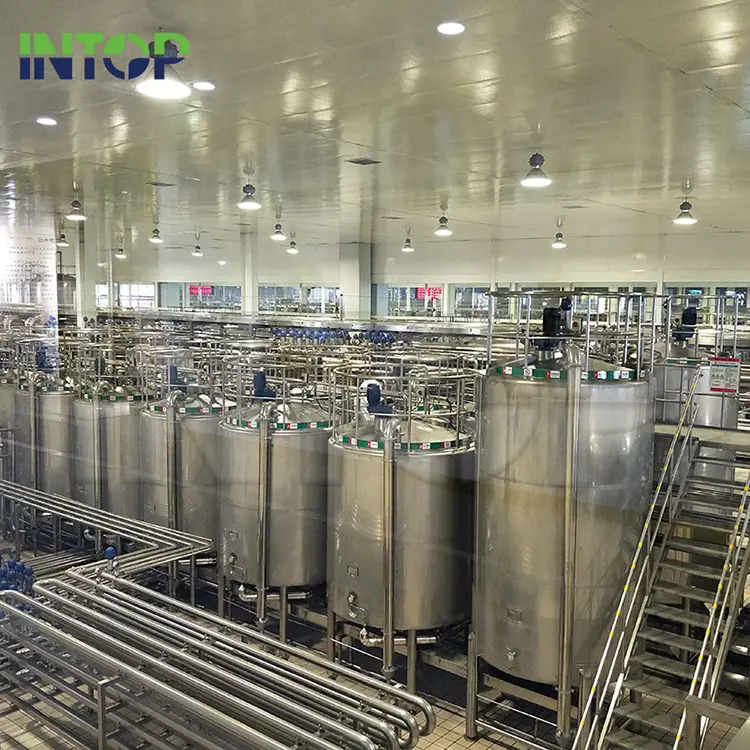
Table of Contents
- Understanding the Dairy Production Line
- Main Equipment in a Dairy Production Line
- Step-by-Step Dairy Processing Workflow
- Key Technical Parameters of Dairy Processing Systems
- Common Challenges in Dairy Manufacturing
- How Automation Improves Dairy Production Efficiency
- How to Choose the Right Dairy Production Line
- Frequently Asked Questions
- Conclusion
Outline
- Introduction to dairy processing systems
- Main equipment used in dairy production
- Complete production process from raw milk to packaging
- Important technical specifications
- Industry challenges and solutions
- Benefits of automation in dairy manufacturing
- Selection tips for dairy processing lines
- FAQs about dairy production lines
Understanding the Dairy Production Line
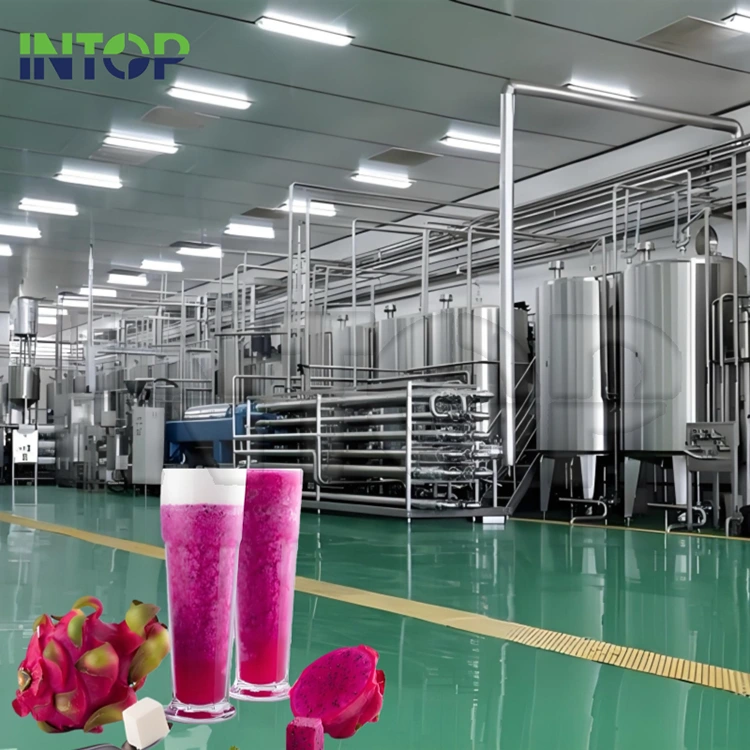
A dairy production line is an integrated system designed to process raw milk into various dairy products such as pasteurized milk, yogurt, cheese, cream, and flavored beverages. The system combines multiple processing stages including filtration, pasteurization, homogenization, fermentation, cooling, and packaging.
Unlike traditional manual processing, modern dairy production lines rely on automated control systems and sanitary stainless-steel equipment. These technologies ensure consistent product quality, reduce contamination risks, and increase production capacity.
A well-designed dairy processing line focuses on three essential factors:
- Food safety and hygienic operation
- Stable product quality
- High production efficiency
Manufacturers increasingly adopt integrated systems that reduce labor requirements while improving traceability and process control.
Main Equipment in a Dairy Production Line
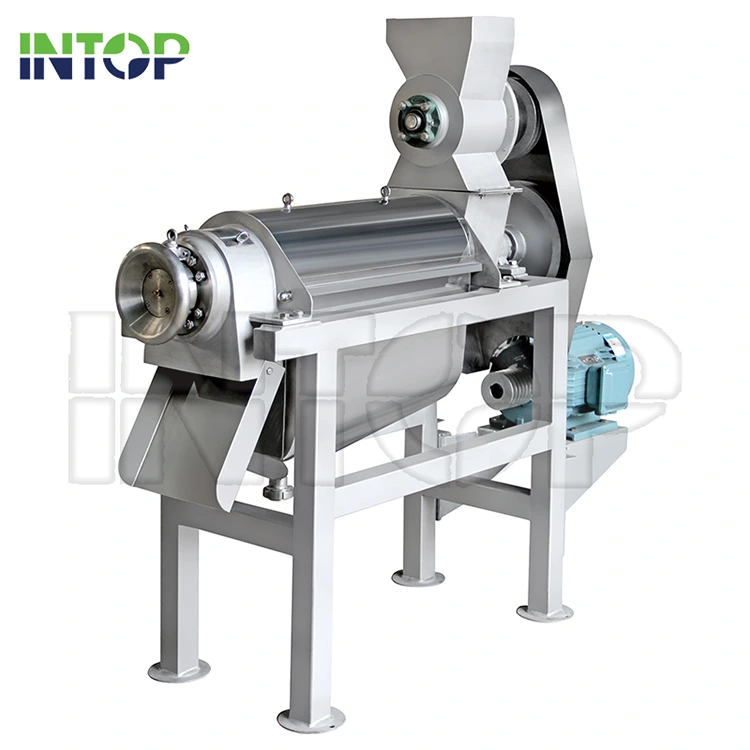
A complete dairy production line consists of several key machines working together to ensure smooth production. Each piece of equipment plays a specific role in maintaining milk quality and ensuring hygienic processing.
| Equipment | Main Function | Purpose in Production |
| Milk Storage Tank | Temporary storage of raw milk | Maintains low temperature and prevents spoilage |
| Filtration System | Removes impurities and particles | Improves milk purity before processing |
| Pasteurization Machine | Heat treatment | Kills harmful microorganisms |
| Homogenizer | Breaks fat particles into smaller sizes | Improves texture and prevents cream separation |
| Fermentation Tank | Controls fermentation conditions | Used in yogurt and cultured dairy products |
| Cooling System | Rapid cooling | Maintains product freshness |
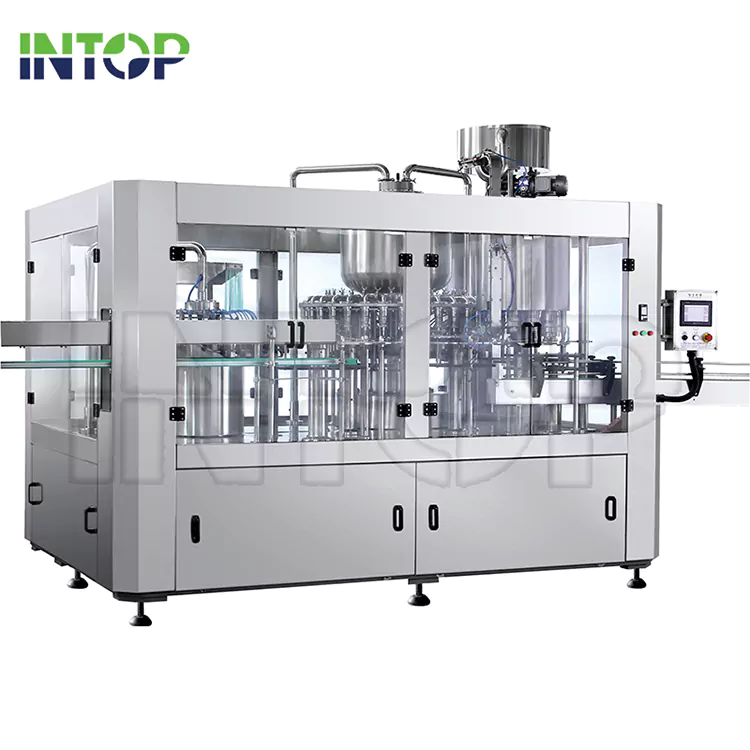
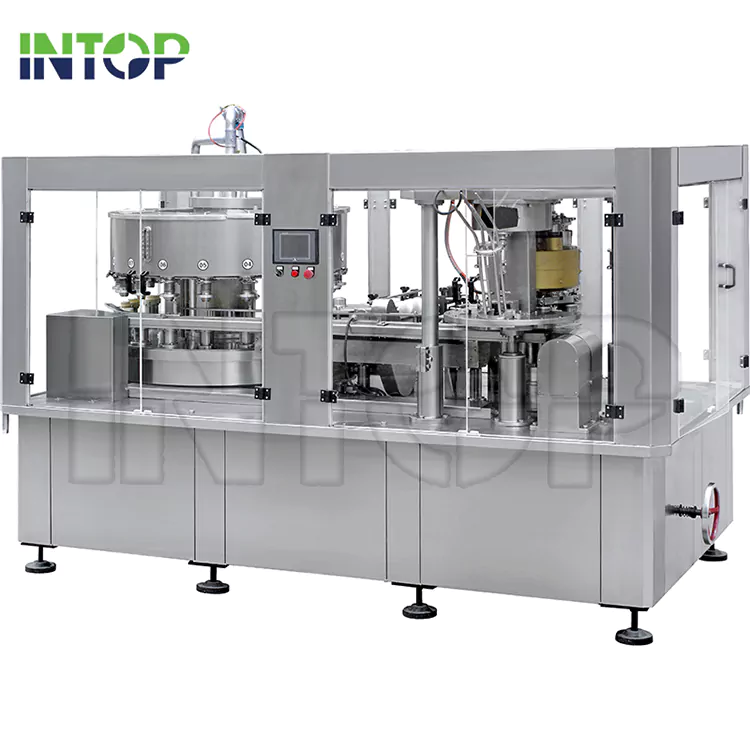
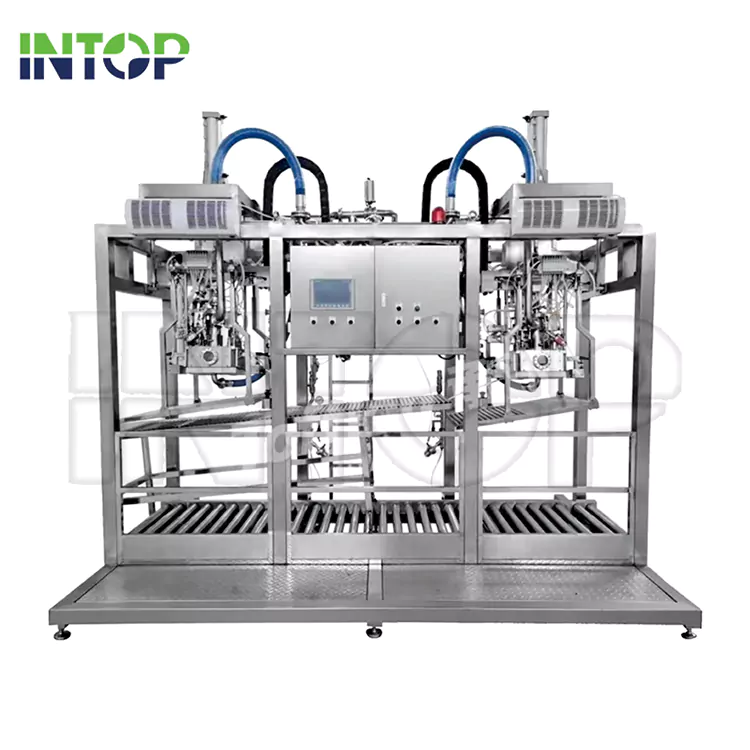
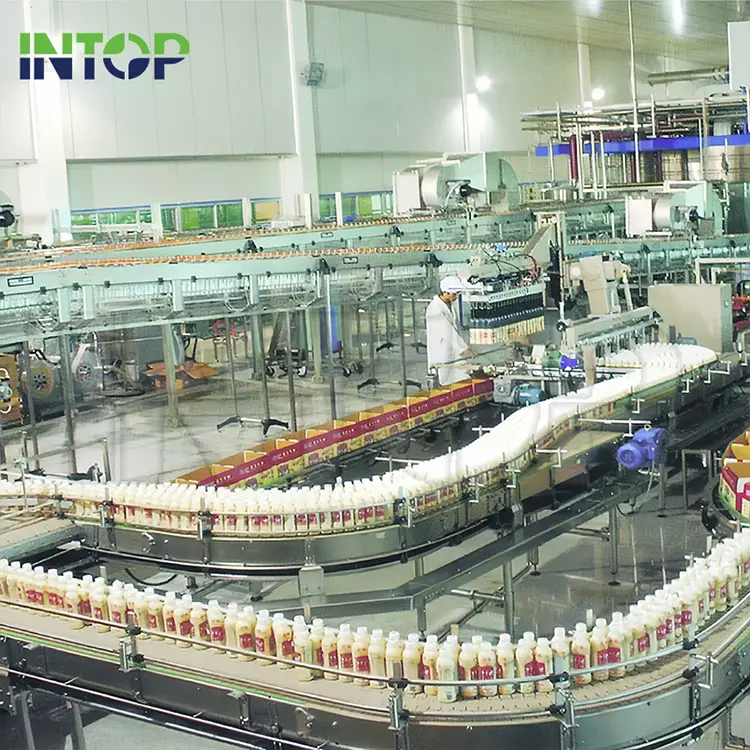
| Automatic Filling Machine | Packaging finished products | Ensures hygienic and accurate filling |
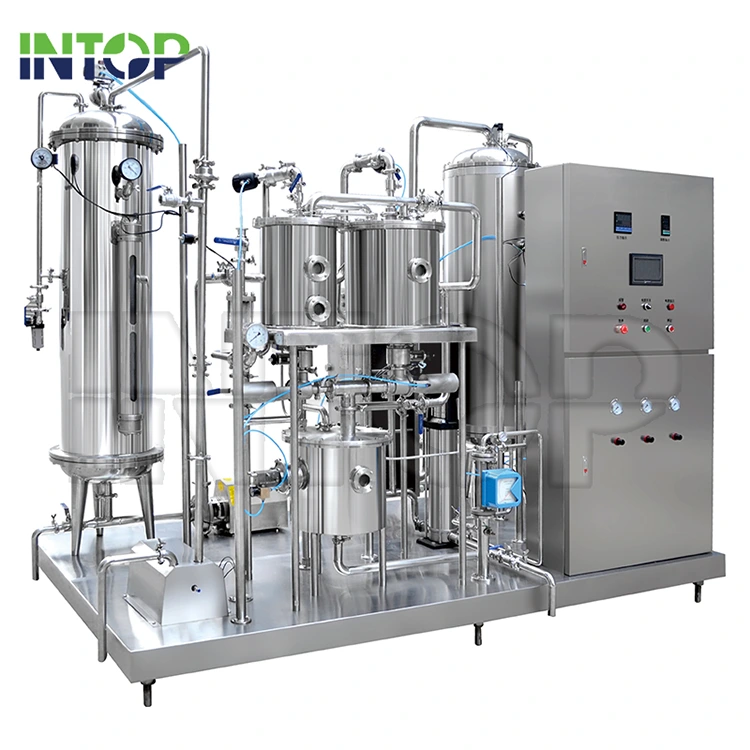
These machines are typically connected through pipelines and controlled by a centralized system to maintain stable operating conditions throughout the production process.
Step-by-Step Dairy Processing Workflow
Understanding the dairy manufacturing process helps producers optimize efficiency and maintain product consistency. A typical dairy production line includes the following stages:
1. Raw Milk Reception
Fresh milk arrives at the processing facility and undergoes initial quality inspection. Parameters such as temperature, acidity, and microbial levels are tested before processing.
2. Filtration and Clarification
Milk passes through filtration systems to remove dust, hair, and other impurities. Clarifiers further eliminate fine particles that may affect product quality.
3. Standardization
Fat content is adjusted according to the product type. This step ensures consistent nutritional composition across batches.
4. Homogenization
The homogenizer reduces fat globule size and distributes them evenly throughout the milk. This prevents separation and improves mouthfeel.
5. Pasteurization
Heat treatment eliminates harmful bacteria while preserving nutritional value. Temperature and holding time are carefully controlled.
6. Fermentation (if required)
For products like yogurt, selected bacterial cultures are introduced under controlled temperature conditions.
7. Cooling
Rapid cooling preserves freshness and stabilizes the product before packaging.
8. Filling and Packaging
The final stage uses automated filling machines to package milk or dairy products into bottles, cartons, or cups.
Key Technical Parameters of Dairy Processing Systems
When selecting a dairy production line, several technical parameters should be evaluated to ensure the system meets production requirements.
| Parameter | Typical Range | Description |
| Production Capacity | 500L – 20,000L/hour | Processing output depending on plant scale |
| Material | Food-grade stainless steel | Ensures hygienic operation and corrosion resistance |
| Pasteurization Temperature | 72°C – 95°C | Eliminates harmful microorganisms |
| Control System | PLC automation | Monitors and controls processing parameters |
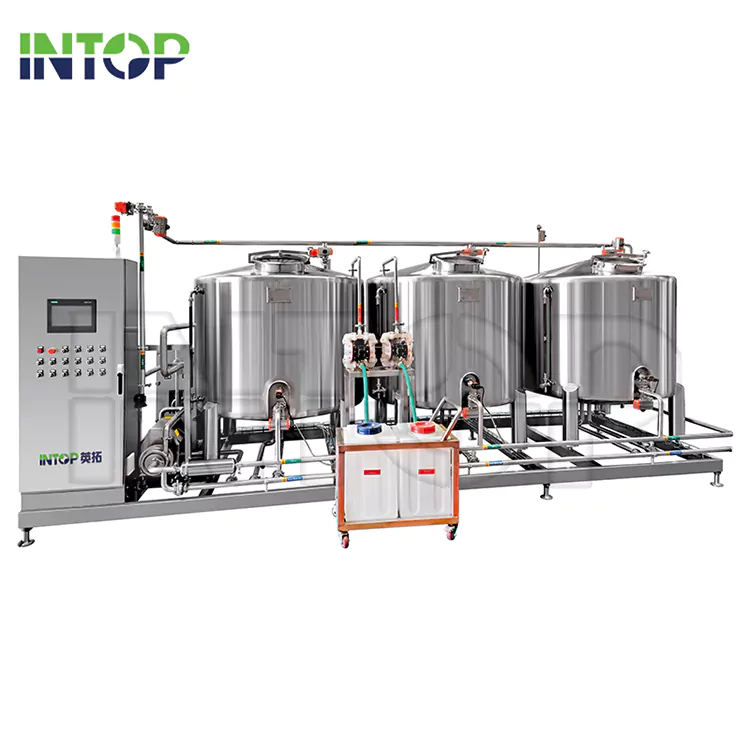
| Cleaning System | CIP automatic cleaning | Ensures hygienic equipment maintenance |
Common Challenges in Dairy Manufacturing
Dairy producers often encounter operational challenges that affect efficiency and product quality. These include:
- Maintaining strict hygiene standards
- Preventing microbial contamination
- Managing temperature control
- Reducing product waste during processing
- Improving packaging efficiency
Modern dairy production lines address these issues through closed processing systems, automated monitoring, and sanitary equipment design.
How Automation Improves Dairy Production Efficiency
Automation has become a key factor in modern dairy manufacturing. Advanced production lines integrate sensors, programmable controllers, and monitoring systems that optimize every stage of the process.
The main advantages include:
- Consistent product quality
- Reduced labor requirements
- Lower contamination risk
- Accurate temperature and pressure control
- Higher production capacity
Manufacturers such as Intop focus on providing integrated dairy processing solutions that combine reliable equipment with intelligent control systems, helping dairy producers achieve stable and efficient operations.
How to Choose the Right Dairy Production Line
Selecting the appropriate dairy production line depends on several factors:
- Production capacity requirements
- Types of dairy products to be manufactured
- Available factory space
- Automation level
- Cleaning and maintenance requirements
A customized system design often provides the best solution because it aligns equipment specifications with specific production goals.
Frequently Asked Questions
What products can a dairy production line produce?
A dairy processing line can manufacture pasteurized milk, yogurt, flavored milk drinks, cream, and other dairy products depending on configuration.
How important is pasteurization in dairy processing?
Pasteurization is critical because it eliminates harmful microorganisms while maintaining the nutritional value and taste of milk.
What materials are used in dairy production equipment?
Most systems are constructed from food-grade stainless steel to ensure corrosion resistance, hygiene, and easy cleaning.
How can dairy manufacturers maintain equipment hygiene?
Automated CIP cleaning systems circulate cleaning solutions through the equipment pipelines to remove residues and bacteria without disassembly.
Conclusion
A modern dairy production line is essential for transforming raw milk into safe, high-quality dairy products. By integrating advanced equipment, automated control systems, and hygienic processing technologies, manufacturers can significantly improve production efficiency while maintaining strict quality standards.
Reliable equipment suppliers play a crucial role in helping dairy producers build efficient processing facilities. Intop provides professional dairy processing solutions designed to meet the evolving needs of the dairy industry.
If you are planning to upgrade your dairy manufacturing facility or establish a new milk processing plant, professional guidance can help ensure the right system configuration and long-term performance. Contact us today to learn more about customized dairy production line solutions and how they can support your production goals.
Related News
- Tubular UHT Sterilizer Technology Advances Support the Growth of Aseptic Beverage Processing
- What Makes a Strawberry Juice Production Line Efficient, Safe, and Ready for Commercial Scale?
- Bottled Water Production Line: 10 Factors Before Investment
- How to Build a Juice Production Line That Handles Multiple Fruit Types
- What It Takes to Scale an Energy Drink Production Line for Global Demand
- How Does a Water Treatment System Work in a Beverage Production Line?
Leave me a message