English
- English
- Afrikaans
- беларускі
- Hrvatski
- lugha ya Kiswahili
- ქართული
- Кыргыз тили
- Монгол хэл
- IsiXhosa
- Somali
- O'zbek
- Hawaiian
- Հայերեն
- Español
- Português
- русский
- Français
- 日本語
- Deutsch
- tiếng Việt
- Italiano
- Nederlands
- ภาษาไทย
- Polski
- 한국어
- Svenska
- magyar
- Malay
- বাংলা ভাষার
- Dansk
- Suomi
- हिन्दी
- Pilipino
- Türkçe
- Gaeilge
- العربية
- Indonesia
- تمل
- ελληνικά
- український
- فارسی
- български
- ລາວ
- Latine
- Қазақша
- Azərbaycan
- Македонски
- Lietuvos
- Română
- Srpski језик

How Can Alcoholic Beverage Production Lines Improve Efficiency and Quality?
Summary: Alcoholic beverage production involves complex processes, including fermentation, filtration, and packaging. This article explores how modern production lines can optimize efficiency, maintain product quality, and reduce operational challenges. Key solutions, equipment types, process control strategies, and industry best practices are examined for breweries and distilleries looking to enhance their production capabilities.
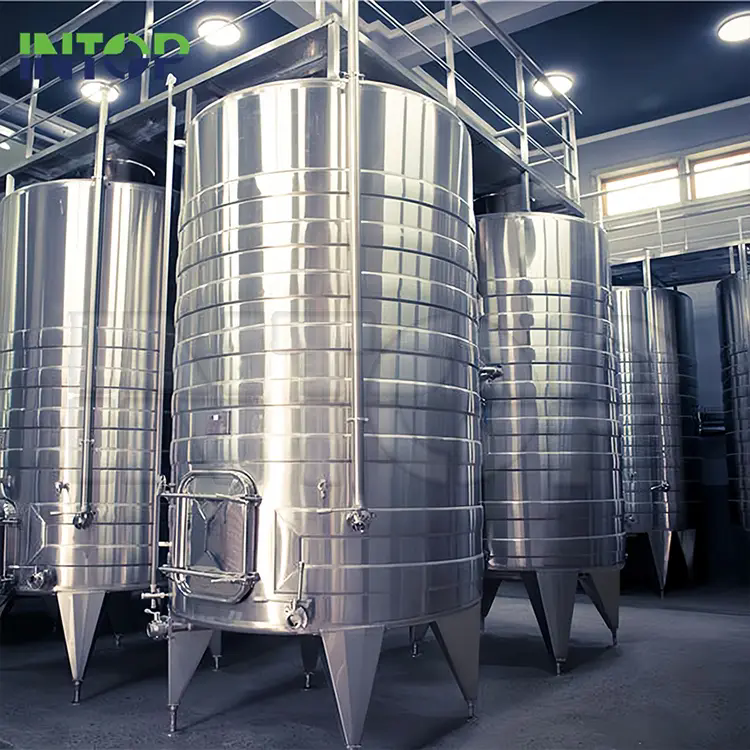
Table of Contents
- Introduction
- Common Challenges in Alcoholic Beverage Production
- Modern Solutions with Production Lines
- Key Equipment in Alcoholic Beverage Production Lines
- Process Control and Quality Management
- Cost Efficiency and Operational Benefits
- Frequently Asked Questions
- Conclusion & Contact
Introduction
Alcoholic beverage production is more intricate than producing non-alcoholic drinks due to the need for precise fermentation, strict hygiene standards, and specialized equipment. Companies like Intop provide complete solutions, including design, manufacturing, installation, and commissioning of production lines for beer, wine, fruit wine, and other alcoholic beverages. By implementing a full production line, producers can maintain consistency, enhance flavor profiles, and streamline operations.
Common Challenges in Alcoholic Beverage Production
- Fermentation Control: Alcoholic beverages require careful temperature and microbial management to ensure consistent alcohol content and taste.
- Sanitation: Maintaining hygienic conditions during production is critical to prevent contamination.
- Packaging Complexity: Different beverages require various packaging methods, including bottles, cans, or kegs, each with unique sterilization requirements.
- Scaling Production: Expanding capacity without sacrificing quality is often a challenge for growing breweries or wineries.
Modern Solutions with Production Lines
Modern alcoholic beverage production lines address these challenges by integrating advanced technology and automation. Key solutions include:
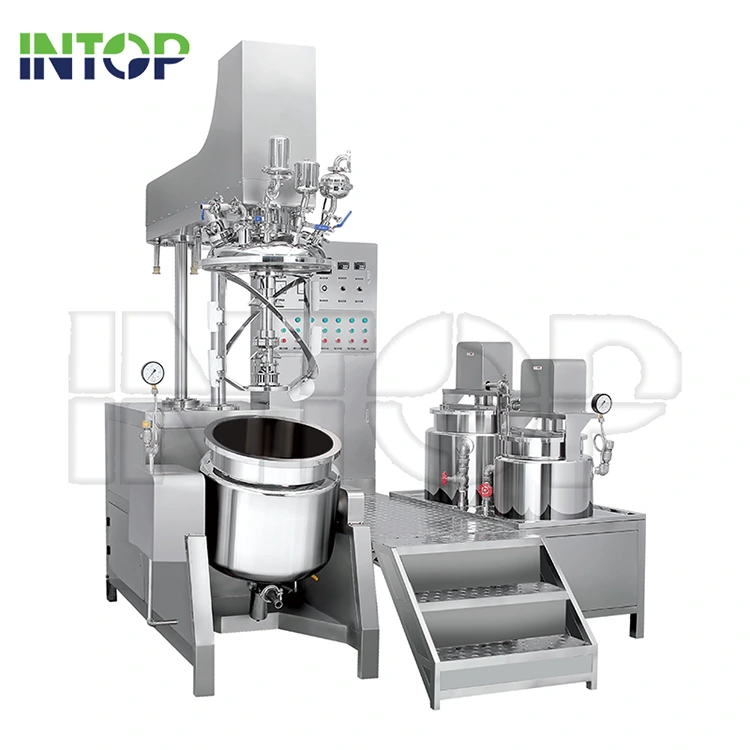
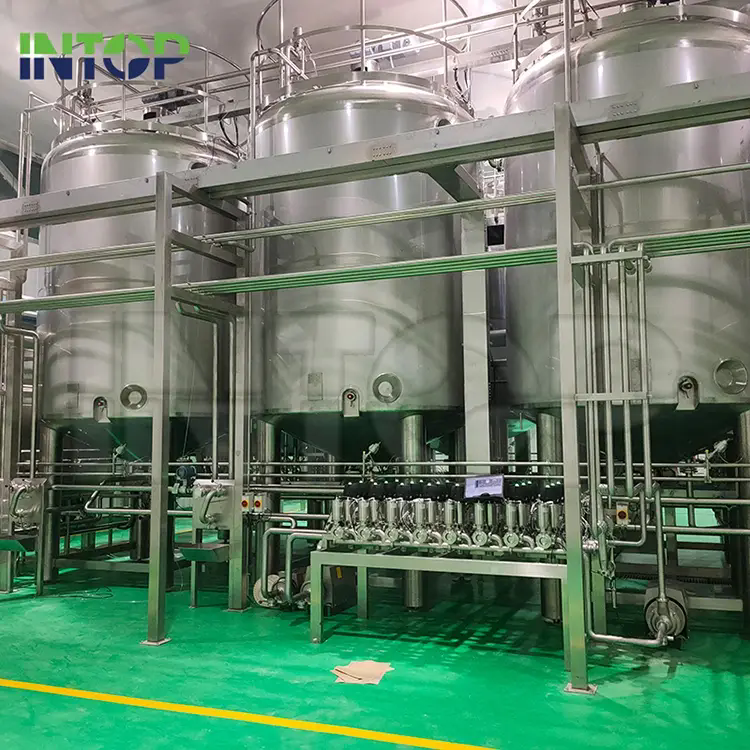
- Automated Fermentation Tanks: Stainless steel tanks (SUS304/SUS316) with precise temperature, time, and pressure control.
- Integrated Filtration Systems: Ensures clarity and consistency of the final product.
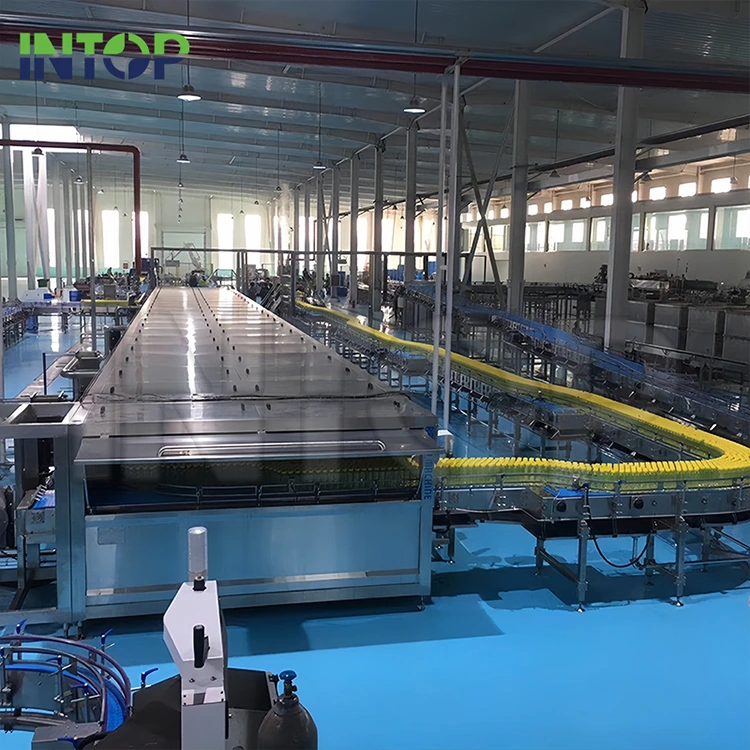
- Efficient Packaging Equipment: Supports bottling, canning, and keg filling with minimal human intervention.
- Monitoring and Data Logging: Provides real-time control over fermentation, storage, and packaging processes.
Key Equipment in Alcoholic Beverage Production Lines
| Equipment | Function | Capacity Range |
|---|---|---|
| Fermentation Tank | Primary and secondary fermentation of alcoholic beverages | 300 L – 50,000 L |
| Filtration Unit | Removes impurities and ensures clarity | Customizable |
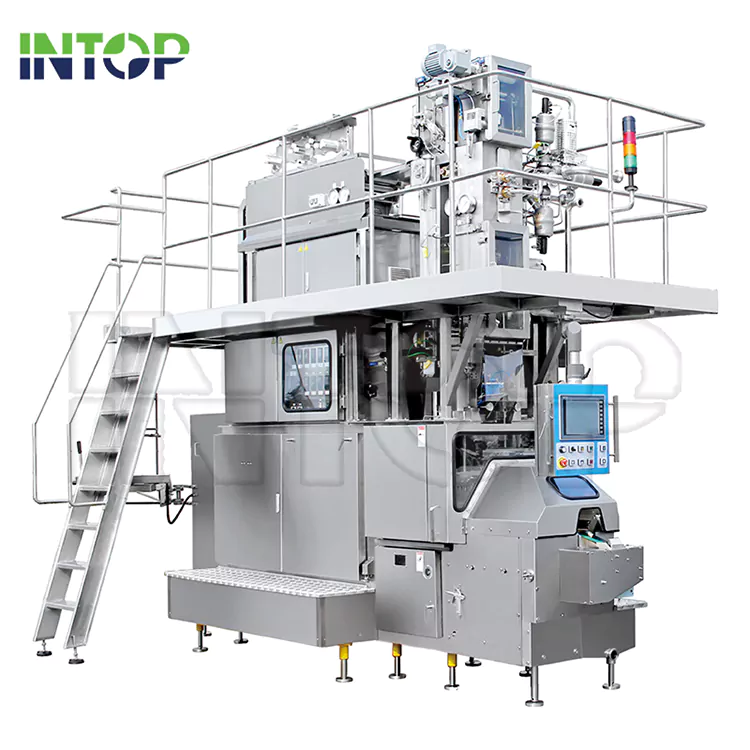
| Filling Machine | Automates packaging into bottles, cans, or kegs | Up to 12,000 bottles/hour |
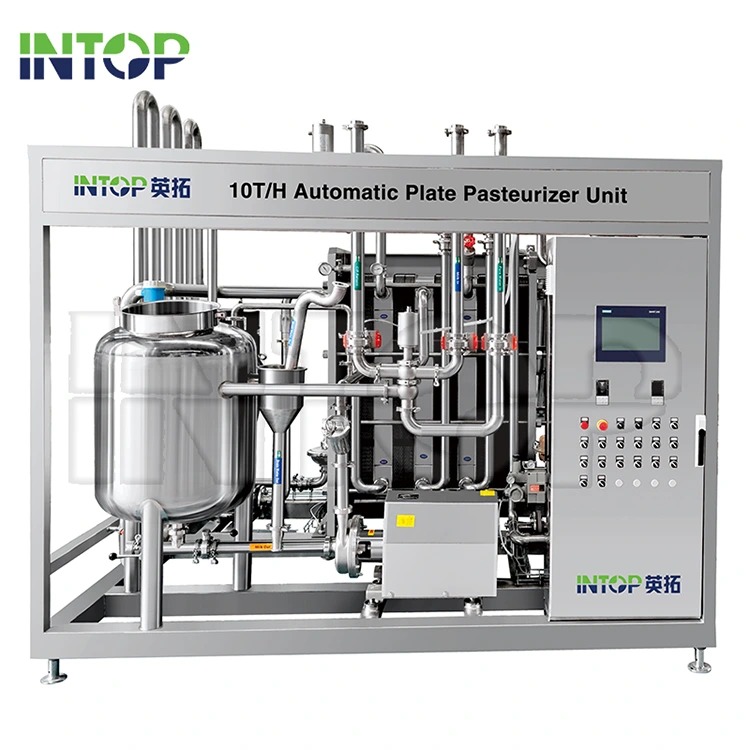
| Pasteurizer | Ensures beverage stability and shelf life | Variable, based on production scale |
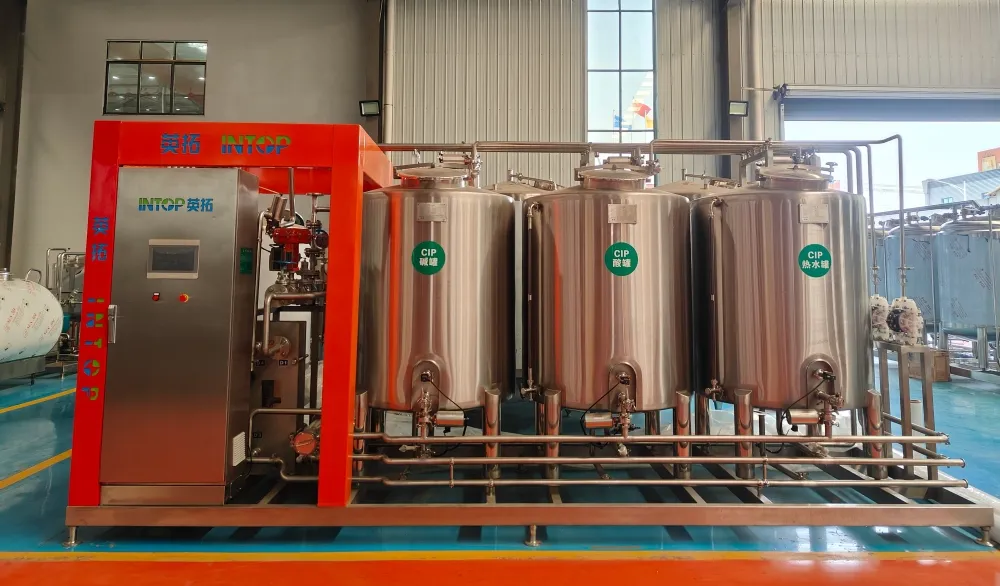
| Cleaning in Place (CIP) System | Automates cleaning and sanitization of tanks and pipelines | Integrated with production line |
Process Control and Quality Management
Maintaining product quality requires strict monitoring and control at every stage:
- Temperature Control: Automated systems maintain optimal fermentation temperatures.
- Alcohol Content Monitoring: Sensors track alcohol levels to ensure consistency.
- Hygiene Compliance: Sterile pipelines and automated CIP systems reduce contamination risks.
- Batch Tracking: Software solutions allow for detailed batch documentation for traceability and quality audits.
Cost Efficiency and Operational Benefits
Investing in a modern alcoholic beverage production line provides measurable advantages:
- Reduced Labor Costs: Automation lowers dependency on manual labor.
- Minimized Waste: Precise measurement and control reduce raw material loss.
- Higher Output: Faster production cycles meet growing market demand.
- Consistent Quality: Automation ensures repeatable results across batches.
Frequently Asked Questions
Q1: How long does it take to install a complete alcoholic beverage production line?
A: Installation usually takes between 2-4 months depending on line complexity and facility readiness.
Q2: Can the production line handle multiple types of alcoholic beverages?
A: Yes. Intop designs customizable lines for beer, wine, and fruit wine, with flexible fermentation and packaging options.
Q3: What is the minimum production capacity for a new line?
A: Lines can start from 300 liters per batch and scale up to tens of thousands of liters, depending on equipment choice.
Conclusion & Contact
Alcoholic beverage production lines are essential for breweries and wineries seeking efficiency, quality, and scalability. Intop offers complete solutions from design to commissioning, ensuring your production meets the highest standards. Enhance your operations and reduce risks by implementing an advanced production line today. For detailed inquiries or to request a personalized consultation, contact us and discover how Intop can optimize your beverage production.
Related News
- How to Choose a Juice Extraction Machine for Your Juice Production Line
- Tubular UHT Sterilizer Technology Advances Support the Growth of Aseptic Beverage Processing
- What Makes a Strawberry Juice Production Line Efficient, Safe, and Ready for Commercial Scale?
- Bottled Water Production Line: 10 Factors Before Investment
- How to Build a Juice Production Line That Handles Multiple Fruit Types
- What It Takes to Scale an Energy Drink Production Line for Global Demand
Leave me a message