English
- English
- Afrikaans
- беларускі
- Hrvatski
- lugha ya Kiswahili
- ქართული
- Кыргыз тили
- Монгол хэл
- IsiXhosa
- Somali
- O'zbek
- Hawaiian
- Հայերեն
- Español
- Português
- русский
- Français
- 日本語
- Deutsch
- tiếng Việt
- Italiano
- Nederlands
- ภาษาไทย
- Polski
- 한국어
- Svenska
- magyar
- Malay
- বাংলা ভাষার
- Dansk
- Suomi
- हिन्दी
- Pilipino
- Türkçe
- Gaeilge
- العربية
- Indonesia
- تمل
- ελληνικά
- український
- فارسی
- български
- ລາວ
- Latine
- Қазақша
- Azərbaycan
- Македонски
- Lietuvos
- Română
- Srpski језик
Russian Client Visits Intop Machinery for Carbonated Beverage Line Inspection
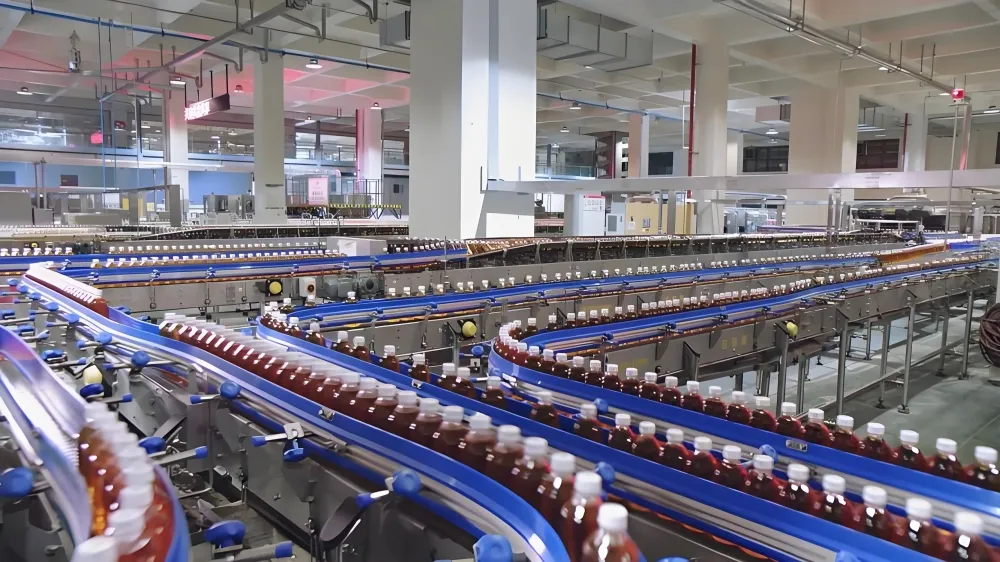
This week, we hosted clients from Russia who made the long trip east to see our carbonated beverage production lines in person. They run a regional drinks business that has been bottling still water and juices for several years, and now he is ready to add carbonated soft drinks to the portfolio. The question was not whether to expand — that decision was already made — but who to trust with the equipment.
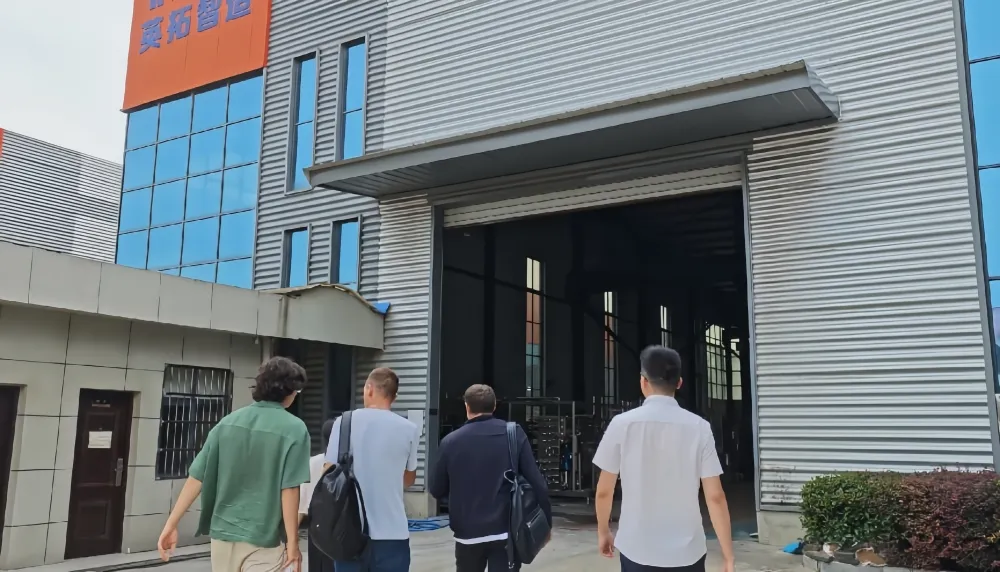
Russia is not an easy market to serve. Winters are brutal, logistics are complex, and the technical standards are strict. Our client knows this better than anyone. He brought an engineer with him, and together they spent the better part of two days walking every section of our factory, asking precise questions about material grades, welding standards, insulation for low-temperature operation, and how our control systems handle recipe management in Russian. We pulled up the HMI interface, switched it to Russian, and ran a full simulation of a production cycle right there on the shop floor. That kind of hands-on demo beats any brochure.
The technical discussion went deep. He wanted to understand how our deaeration units perform when incoming water temperature drops well below what most factories see, how the CO₂ dosing system maintains accuracy under pressure fluctuations, and what happens to the filling valves if the ambient temperature in his plant dips to minus twenty during a heating system failure. These are not hypothetical concerns — they are real conditions his line will face. Our engineers walked him through the heating jackets on critical piping, the insulated tank designs, and the cold-weather lubricants we specify for clients in northern climates. His engineer nodded, took photos, and made notes. That is the best feedback you can get.
Over dinner, we talked about the bigger picture. The Russian soft drinks market is competitive, and local production is becoming more attractive as import costs rise. He wants to start with one line, get it running smoothly, and then scale up. That means the first line needs to be built with expansion in mind — layout, utilities, and workflow all designed so that Line Two can slot in without tearing everything apart. We sketched out a phased factory plan on a napkin, and by the end of the meal, it was starting to look like a real project.
Back in the meeting room, we reviewed the quotation line by line. He pushed on delivery schedules, installation support, and spare parts availability. We pushed back with realistic timelines and a clear service plan that includes remote diagnostics and on-site commissioning. Neither side was looking for a quick handshake — both wanted a partnership that would still be working five years from now.
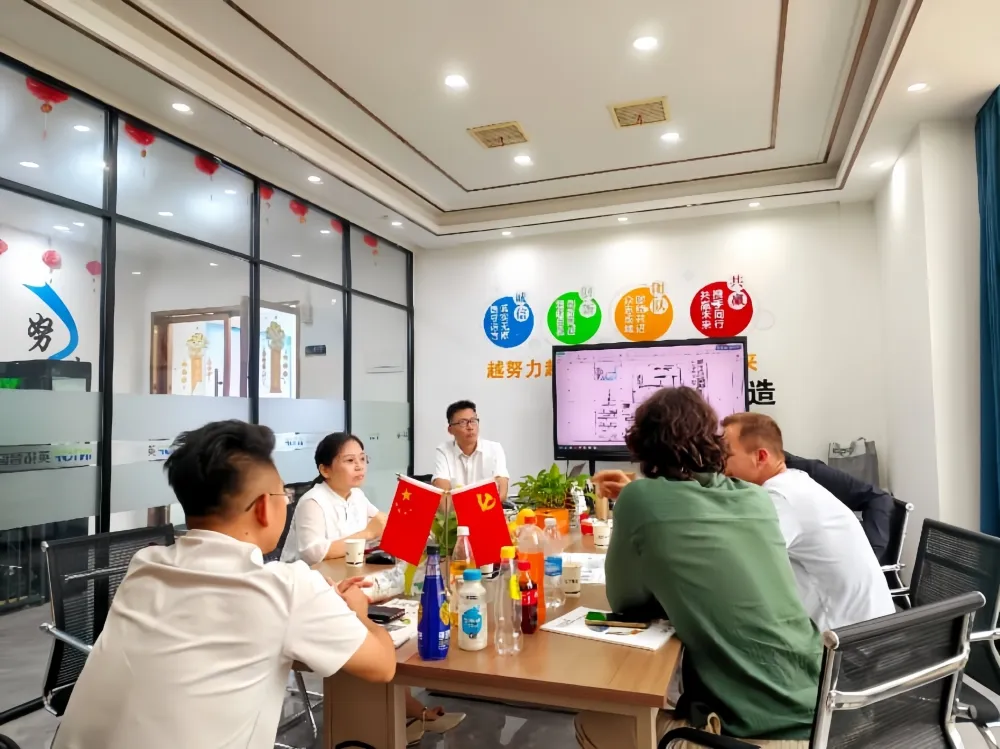
By the time they left for the airport, the mood had shifted from evaluation to collaboration. They asked for a revised proposal with a few technical tweaks, and we agreed to have it ready within the week. There is still paperwork and negotiation ahead, but the foundation is solid. When someone travels that far, brings their own engineer, and spends two days kicking the tires on your equipment, you know they are serious. And when you can answer every question honestly and show them exactly how you will solve their problems, they know you are serious too.
We are looking forward to the next step.
Related News
- Intop Machinery Invites You to the 140th Canton Fair — Hall 19.1, Booth C31
- Azerbaijani Client Visits Intop Machinery to Inspect Pomegranate Juice Production Line
- Saudi Client Visits Intop Machinery to Plan Carbonated Beverage Production Line
- Moroccan Client Visits Intop Machinery to Inspect Yogurt Production Line
- Kenyan Partner Returns to Intop Machinery for In-Depth Equipment Review
- Tanzania Client Project: 3 Complete Beverage Production Lines, 17 x 40'HQ Containers Departed Shanghai On Schedule
Leave me a message