English
- English
- Afrikaans
- беларускі
- Hrvatski
- lugha ya Kiswahili
- ქართული
- Кыргыз тили
- Монгол хэл
- IsiXhosa
- Somali
- O'zbek
- Hawaiian
- Հայերեն
- Español
- Português
- русский
- Français
- 日本語
- Deutsch
- tiếng Việt
- Italiano
- Nederlands
- ภาษาไทย
- Polski
- 한국어
- Svenska
- magyar
- Malay
- বাংলা ভাষার
- Dansk
- Suomi
- हिन्दी
- Pilipino
- Türkçe
- Gaeilge
- العربية
- Indonesia
- تمل
- ελληνικά
- український
- فارسی
- български
- ລາວ
- Latine
- Қазақша
- Azərbaycan
- Македонски
- Lietuvos
- Română
- Srpski језик

Azerbaijani Client Visits Intop Machinery to Inspect Pomegranate Juice Production Line
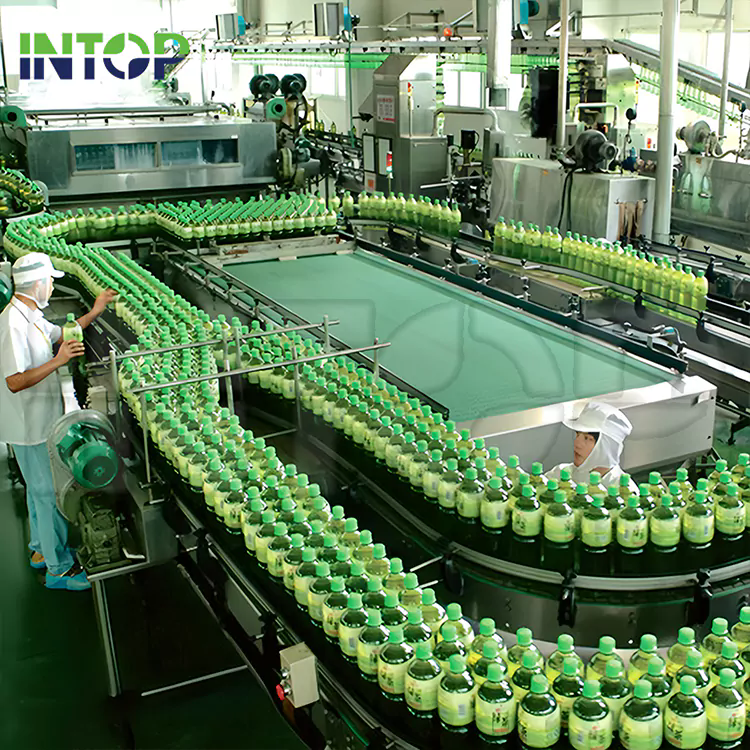
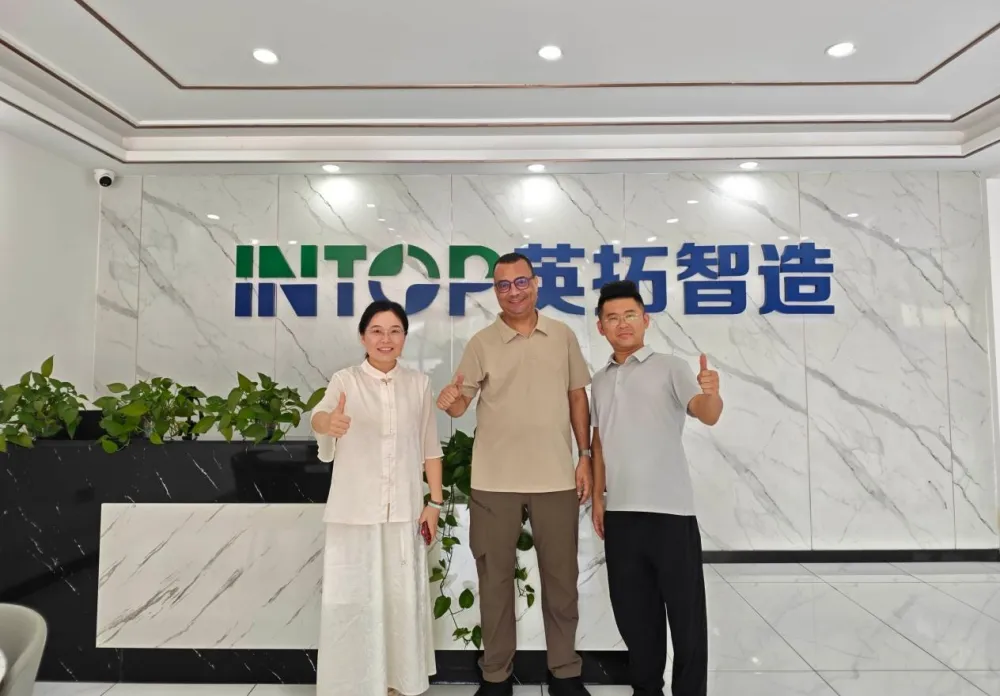
This week, we hosted a client from Azerbaijan who flew in to look at pomegranate juice production lines. They runs a juice business on the shores of the Caspian Sea—the kind of company that has been pressing local pomegranates for years and selling the juice at home and abroad. Like everyone in that corner of the world, he takes his pomegranates seriously, so when he said he wanted to see the equipment in person before deciding, we understood why.
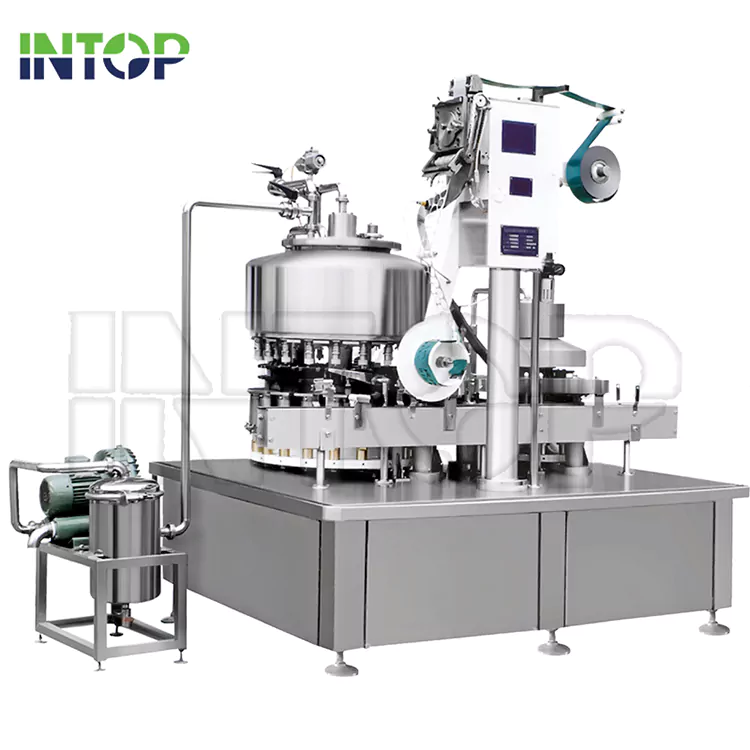
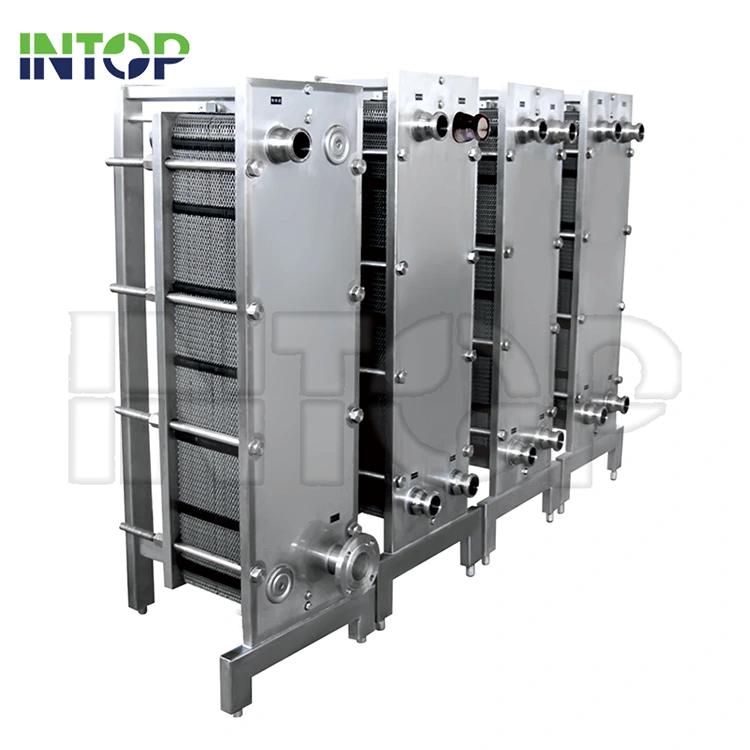
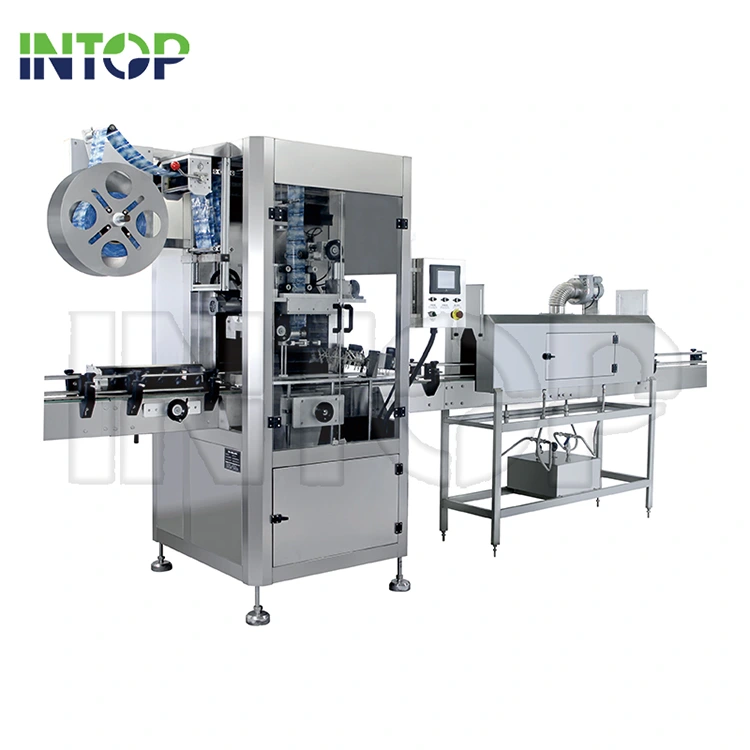
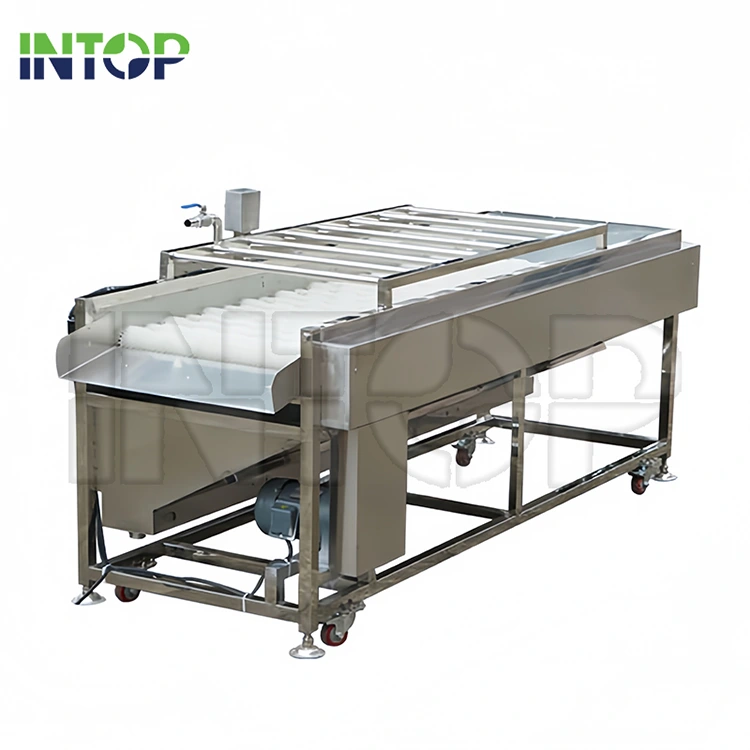
He arrived at the factory with one of his production people, and the two of them went straight to the workshop floor. We walked them through the pomegranate line section by section: the washing and sorting station, the peeling tables with the citric acid dip for color protection, the hot extraction tank, and the spiral juicer. He stopped at the enzyme treatment stage and asked how long we hold the juice and at what temperature before filtration. It was a good question—that step decides whether the final juice comes out clear or cloudy, and it is easy to get wrong with pomegranates.
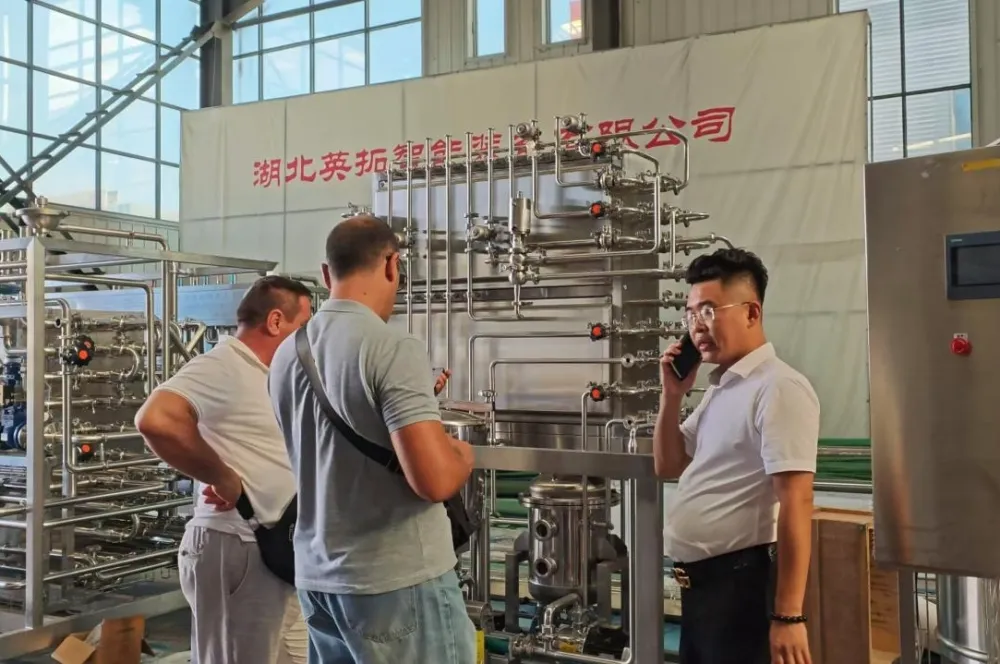
Pomegranate juice is not the easiest product to make. It is full of tannins, the color wants to change the moment the fruit is cut, and the pectin slows down filtration if you are not careful. Our engineers talked him through each problem—the 65-degree hot soak to pull the color out, enzyme dosing to break down the pectin, and vacuum degassing before filling. He nodded a lot and took photos. His production guy started measuring pipe diameters with a tape measure, which we took as a good sign.
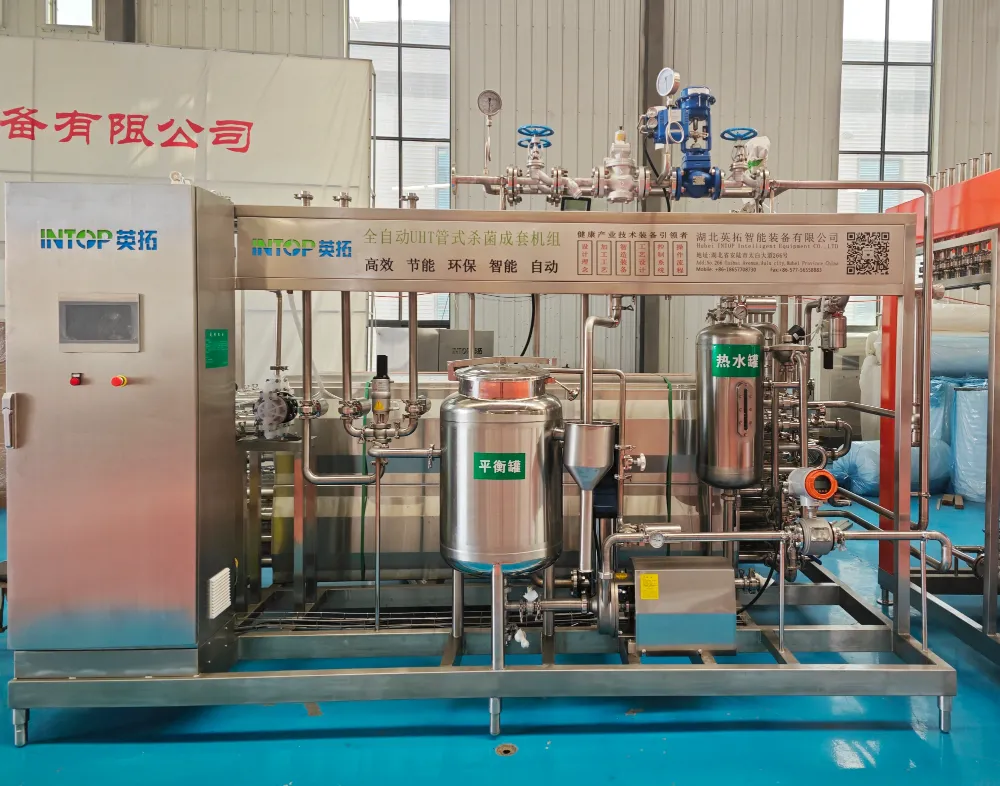
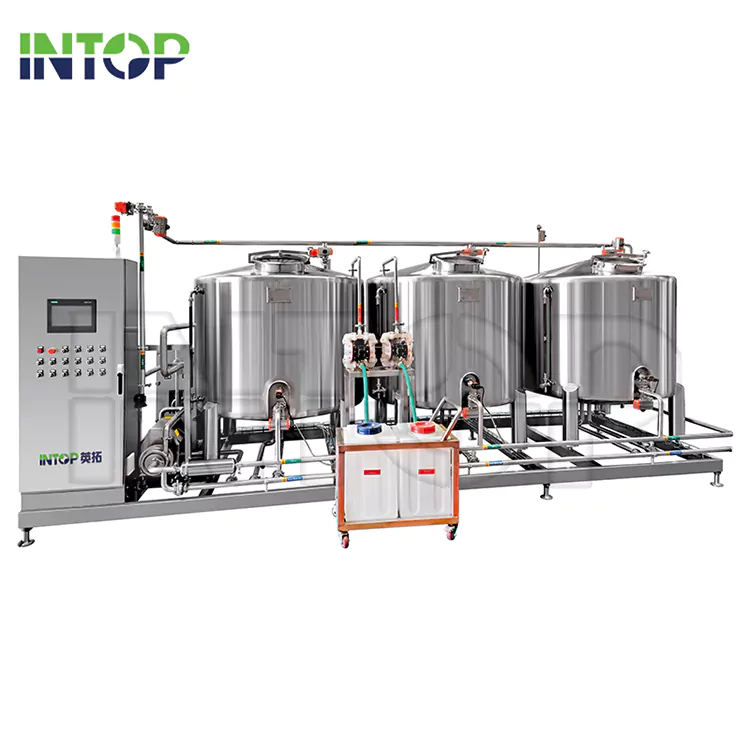
The conversation moved to his own plant's conditions. Summers in Azerbaijan are hot, and the local water is harder than what we test with here in Hubei, so we spent a good hour on water treatment and the CIP system. Our technicians ran a short CIP cycle so he could see the flow and coverage for himself. He also asked about spare parts and how quickly we could ship them, because his pomegranate season waits for no one.
We spent the afternoon in the meeting room going over the quotation: line capacity, bottle size, labeling and packing, delivery schedule, and what happens if something breaks in the middle of the season. He pushed on the delivery date. We went through our production calendar with him and showed him why the date we quoted was realistic, not just optimistic.
Before he left, he told us he had shortlisted three suppliers before this trip, and the visit had made the decision much easier. He also asked whether our engineers could come to Baku for the installation — not to hand over drawings and disappear, but to stay until the first batch of juice comes out right. That is exactly the kind of question we like to hear. We will fold it into the proposal, along with the small changes he asked for, and have it ready by the end of the week. There is still negotiation ahead, but the foundation is there.
We look forward to the next step.
Related News
- Intop Machinery Invites You to the 140th Canton Fair — Hall 19.1, Booth C31
- Russian Client Visits Intop Machinery for Carbonated Beverage Line Inspection
- Saudi Client Visits Intop Machinery to Plan Carbonated Beverage Production Line
- Moroccan Client Visits Intop Machinery to Inspect Yogurt Production Line
- Kenyan Partner Returns to Intop Machinery for In-Depth Equipment Review
- Tanzania Client Project: 3 Complete Beverage Production Lines, 17 x 40'HQ Containers Departed Shanghai On Schedule
Leave me a message