English
- English
- Afrikaans
- беларускі
- Hrvatski
- lugha ya Kiswahili
- ქართული
- Кыргыз тили
- Монгол хэл
- IsiXhosa
- Somali
- O'zbek
- Hawaiian
- Հայերեն
- Español
- Português
- русский
- Français
- 日本語
- Deutsch
- tiếng Việt
- Italiano
- Nederlands
- ภาษาไทย
- Polski
- 한국어
- Svenska
- magyar
- Malay
- বাংলা ভাষার
- Dansk
- Suomi
- हिन्दी
- Pilipino
- Türkçe
- Gaeilge
- العربية
- Indonesia
- تمل
- ελληνικά
- український
- فارسی
- български
- ລາວ
- Latine
- Қазақша
- Azərbaycan
- Македонски
- Lietuvos
- Română
- Srpski језик

Which is better, a plastic or stainless water tank?
When it comes to choosing the right water tank for your home or business, two common options are plastic and stainless steel tanks. As a company that specializes in water storage solutions, we understand that selecting the best tank is crucial for both reliability and long-term performance. So, which one truly stands out? Is a plastic tank more affordable, or does a stainless steel tank offer superior durability and safety? Let’s dive into a comparison that will help you make an informed decision.
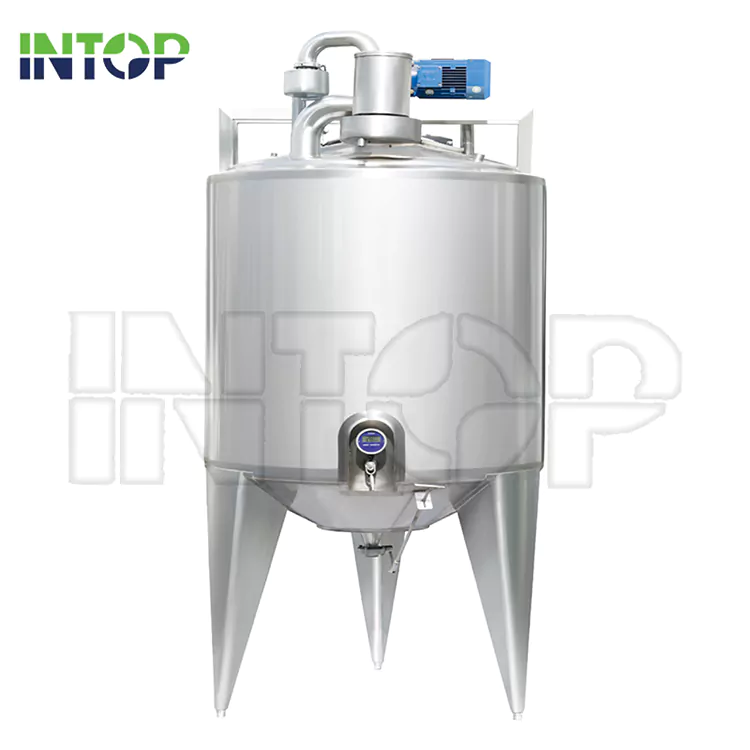
What are the key differences between plastic and stainless steel water tanks?
At INTOP, we provide a range of tanks that cater to various needs. Let’s explore the major differences between plastic and stainless steel tanks based on several important factors:
| Feature | Plastic Water Tank | Stainless Steel Tank |
|---|---|---|
| Durability | Lower lifespan, may degrade over time | Long-lasting and resistant to corrosion |
| Maintenance | Requires regular cleaning, susceptible to mold and algae growth | Easy to clean, resistant to mold and algae |
| Safety | Can leach chemicals, especially in high temperatures | Non-toxic, won’t leach harmful substances |
| Cost | More affordable upfront | Higher initial cost but cost-effective in the long run |
| Weight | Lighter, easier to install | Heavier, requires stronger foundations |
| Temperature Control | Poor insulation, water temperature can fluctuate | Excellent insulation, maintains water temperature better |
Which one is more durable, plastic or stainless steel?
When it comes to durability, a stainless steel tank definitely takes the lead. Unlike plastic tanks, which are prone to cracking and UV degradation, stainless steel offers exceptional strength and can withstand harsh weather conditions. This makes it a preferred choice for long-term investments. At INTOP, we ensure our stainless steel tanks are made from high-quality materials that guarantee resistance to corrosion, even in humid and salty environments.
Are plastic water tanks more affordable than stainless steel?
In terms of upfront cost, plastic tanks are generally cheaper. However, their lower initial cost can be misleading. Plastic tanks often require more maintenance and have a shorter lifespan. A stainless steel tank, on the other hand, comes with a higher price tag but can last for decades, making it a better choice in terms of value over time.
Which water tank is safer for storing drinking water?
Safety is a top priority when selecting a water tank, and when it comes to drinking water, a stainless steel tank is the clear winner. Plastic tanks, especially lower-grade ones, can leach chemicals like BPA, especially when exposed to high temperatures or UV rays. Stainless steel is non-toxic, providing a safer and cleaner water storage solution for your household or business.
How does installation compare between plastic and stainless steel water tanks?
Plastic water tanks are lighter and easier to install, making them a go-to choice for DIYers or small-scale water storage needs. However, the installation of stainless steel tanks can require professional help due to their heavier weight and the need for a more robust foundation. This means while the installation cost may be higher, you’re investing in a much more durable and reliable tank that can withstand the test of time.
Conclusion: Which tank is right for you?
Ultimately, the choice between a plastic or stainless steel tank depends on your specific needs, budget, and long-term goals. If you're looking for an affordable and lightweight option with basic water storage needs, a plastic tank could be a good fit. However, if you are looking for a long-term, low-maintenance solution with better safety and durability, investing in a stainless steel tank is the way to go.
At INTOP, we are committed to providing the highest quality stainless steel water tanks for every application. If you are looking for a stainless steel tank, our team is here to help you make the best choice for your home or business.
Contact us today to learn more about our water tank solutions or get a quote tailored to your needs!
Related News
- Tubular UHT Sterilizer Technology Advances Support the Growth of Aseptic Beverage Processing
- What Makes a Strawberry Juice Production Line Efficient, Safe, and Ready for Commercial Scale?
- Bottled Water Production Line: 10 Factors Before Investment
- How to Build a Juice Production Line That Handles Multiple Fruit Types
- What It Takes to Scale an Energy Drink Production Line for Global Demand
- How Does a Water Treatment System Work in a Beverage Production Line?
Leave me a message