English
- English
- Afrikaans
- беларускі
- Hrvatski
- lugha ya Kiswahili
- ქართული
- Кыргыз тили
- Монгол хэл
- IsiXhosa
- Somali
- O'zbek
- Hawaiian
- Հայերեն
- Español
- Português
- русский
- Français
- 日本語
- Deutsch
- tiếng Việt
- Italiano
- Nederlands
- ภาษาไทย
- Polski
- 한국어
- Svenska
- magyar
- Malay
- বাংলা ভাষার
- Dansk
- Suomi
- हिन्दी
- Pilipino
- Türkçe
- Gaeilge
- العربية
- Indonesia
- تمل
- ελληνικά
- український
- فارسی
- български
- ລາວ
- Latine
- Қазақша
- Azərbaycan
- Македонски
- Lietuvos
- Română
- Srpski језик

How Does a Carbonated Drinks Production Line Support Large-Scale Beverage Manufacturing?
Article Abstract
A Carbonated Drinks Production Line is an integrated industrial system designed for the continuous production of carbonated beverages such as soda, sparkling water, and flavored carbonated drinks. This article examines how such a production line operates, outlines its core technical parameters, explains system functionality from raw material handling to final packaging, and discusses how production lines are evolving to meet global beverage manufacturing requirements. The analysis is structured to align with common search intent and reading habits in international markets, with a focus on operational clarity, technical depth, and long-term scalability.
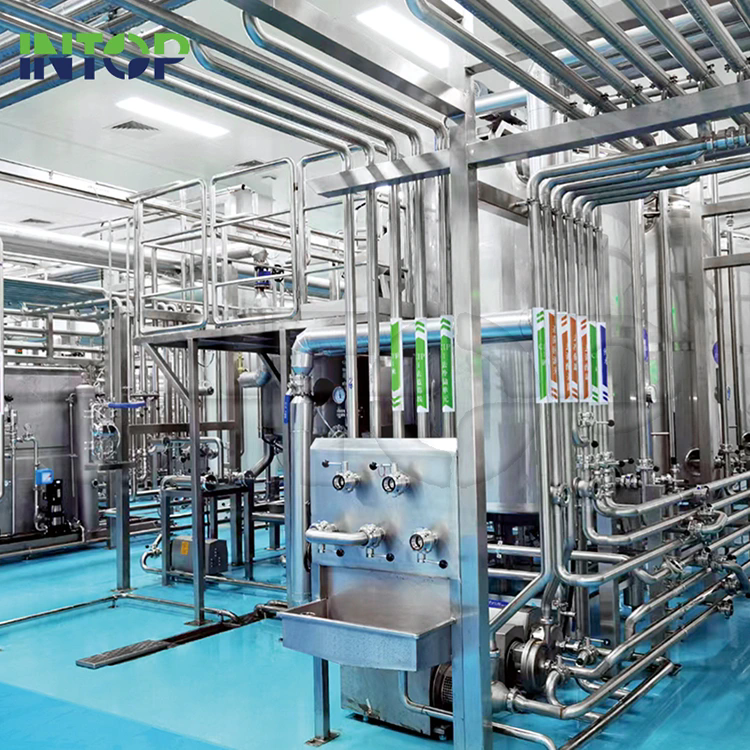
Table of Contents
- How Is a Carbonated Drinks Production Line Structured?
- How Do Technical Parameters Define Production Performance?
- How Does the System Maintain Product Stability and Consistency?
- How Is the Carbonated Drinks Production Line Adapting to Industry Changes?
- Carbonated Drinks Production Line FAQs
How Is a Carbonated Drinks Production Line Structured?
A Carbonated Drinks Production Line is composed of multiple interconnected subsystems that operate in a synchronized workflow. The structure is designed to ensure controlled carbonation, hygienic handling, and efficient throughput while maintaining beverage quality at industrial scale.
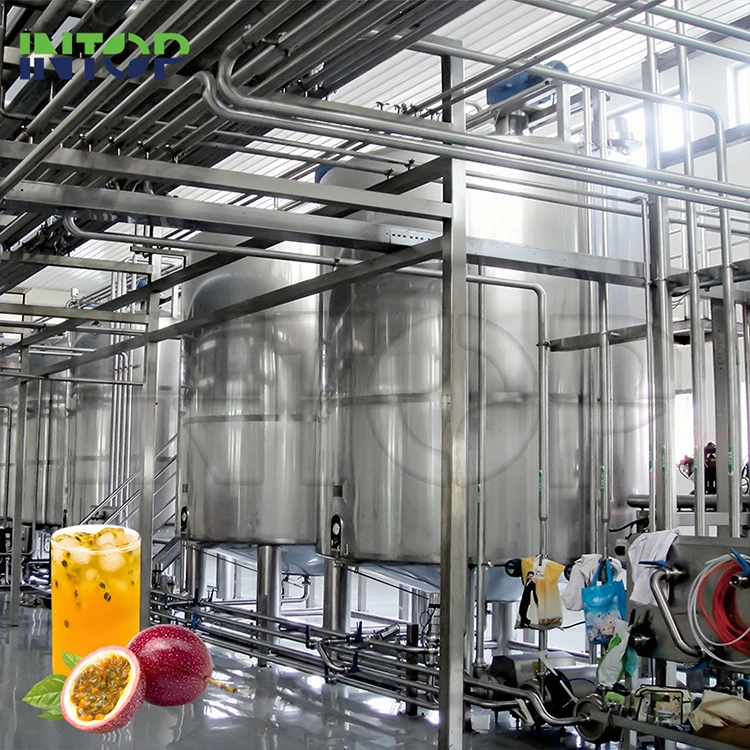
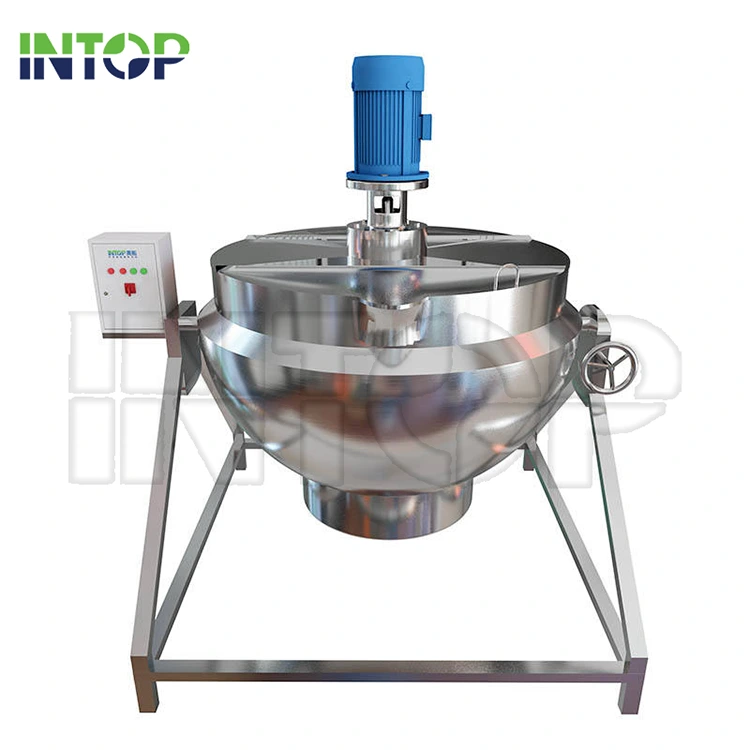
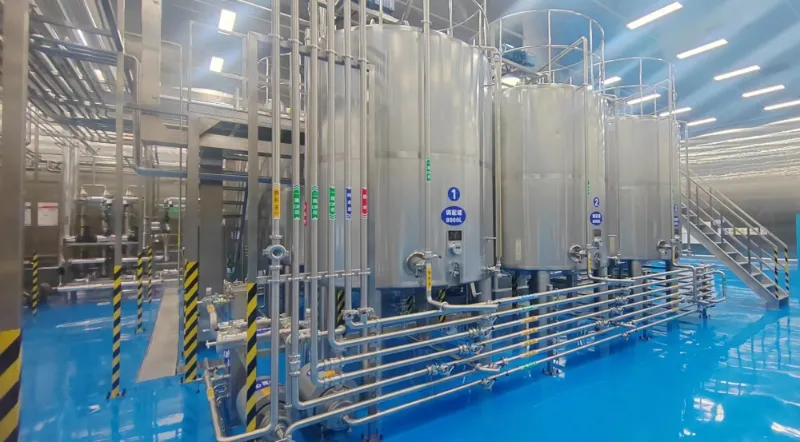
The process begins with water treatment, where raw water undergoes filtration, softening, reverse osmosis, and sterilization. This step ensures the base liquid meets food-grade standards before entering the mixing stage. Following water treatment, syrup preparation systems dissolve sugar or sweeteners and blend them with flavor concentrates under controlled temperature and agitation conditions.
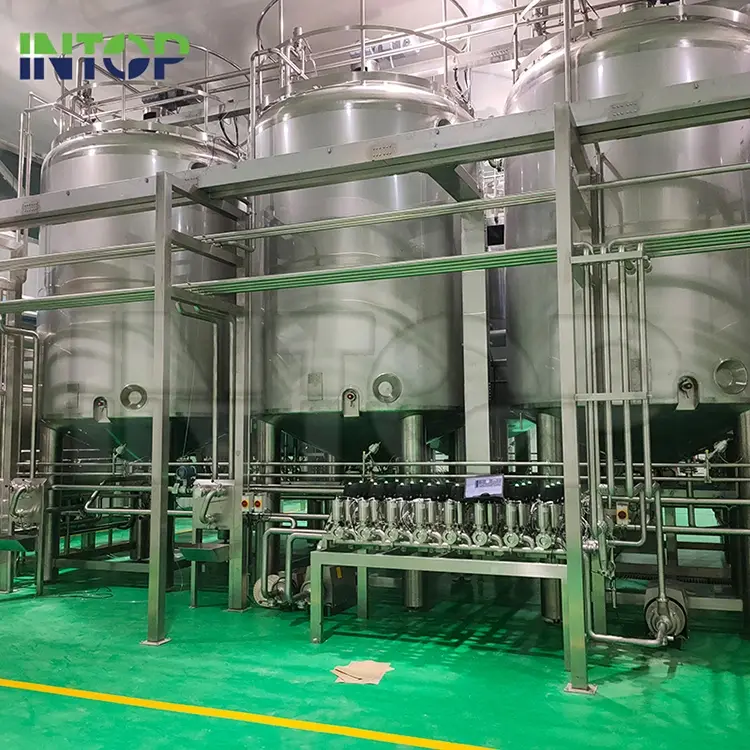
Carbonation occurs when treated water and prepared syrup are proportionally mixed and infused with carbon dioxide under pressure. This stage requires precise control of temperature, pressure, and flow rate to achieve consistent carbonation levels across production batches. Once carbonated, the beverage is transferred directly to the filling system to minimize CO₂ loss.
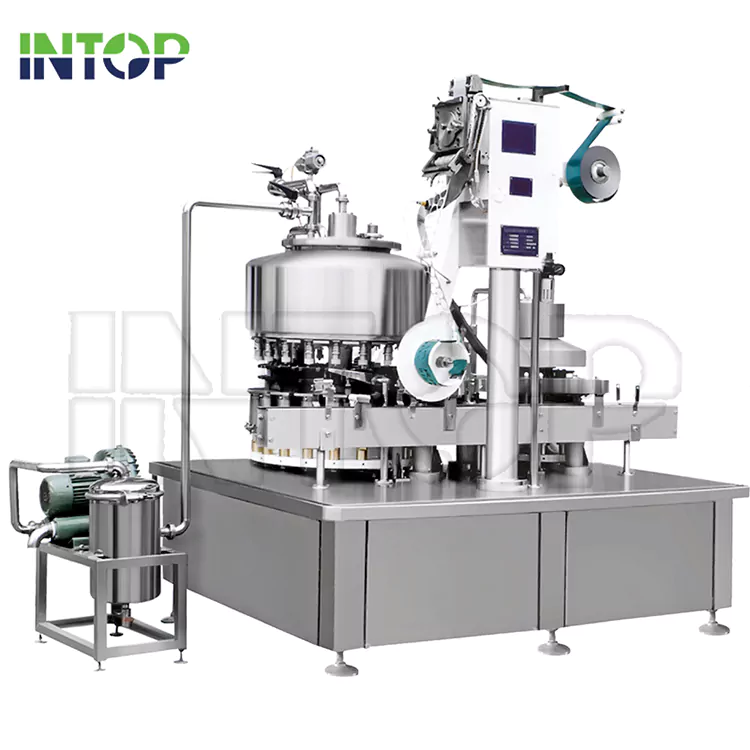
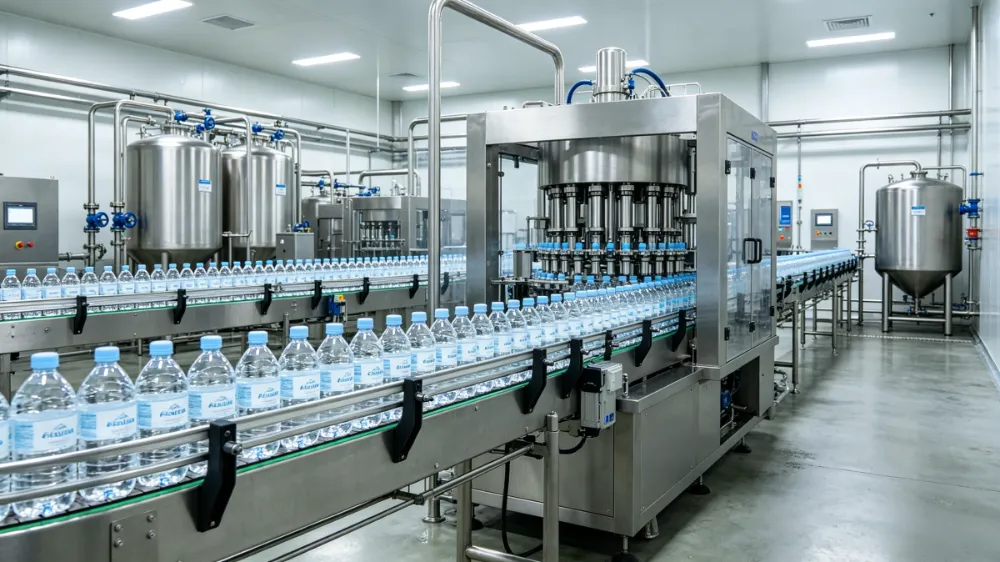
The filling and sealing subsystem is typically configured as a counter-pressure filling unit, allowing carbonated liquid to enter bottles or cans without excessive foaming. Downstream equipment includes capping, labeling, date coding, and secondary packaging modules, all coordinated through a centralized control system.
How Do Technical Parameters Define Production Performance?
Technical parameters are critical indicators of how a Carbonated Drinks Production Line performs under real production conditions. These parameters influence output capacity, energy efficiency, product consistency, and operational stability.
| Parameter Category | Typical Specification Range | Operational Relevance |
|---|---|---|
| Production Capacity | 3,000 – 36,000 bottles/hour | Determines suitability for small, medium, or large beverage plants |
| CO₂ Injection Pressure | 0.4 – 0.8 MPa | Controls carbonation intensity and gas retention |
| Filling Temperature | 0 – 4°C | Improves carbonation stability and reduces foaming |
| Container Compatibility | PET bottles, glass bottles, aluminum cans | Supports multiple packaging formats |
| Control System | PLC with HMI interface | Enables real-time monitoring and automated adjustment |
These parameters are selected based on beverage formulation, container type, and target market requirements. Proper alignment between equipment specifications and production goals reduces downtime and enhances overall line efficiency.
How Does the System Maintain Product Stability and Consistency?
Maintaining stability and consistency is a primary objective of any Carbonated Drinks Production Line. Variations in carbonation level, sweetness, or filling volume can directly affect consumer acceptance and regulatory compliance.
The system relies on automated proportioning units to maintain accurate ratios between water, syrup, and carbon dioxide. Flow meters and pressure sensors continuously transmit data to the control system, allowing for immediate correction if deviations occur.
Temperature control is another critical factor. Chilling units are integrated before carbonation and filling stages to ensure that the beverage remains within an optimal temperature range. This minimizes CO₂ breakout and ensures uniform gas dissolution.
Hygienic design principles are applied throughout the line. Stainless steel piping, CIP (Clean-in-Place) systems, and sealed transfer points reduce contamination risks and support long production cycles without quality degradation.
How Is the Carbonated Drinks Production Line Adapting to Industry Changes?
The beverage industry continues to evolve due to shifting consumer preferences, regulatory standards, and operational cost pressures. Carbonated Drinks Production Lines are adapting through modular design, automation upgrades, and energy optimization.
Modern lines are increasingly configured with flexible modules that allow rapid changeover between different beverage types or container sizes. This adaptability supports diversified product portfolios without extensive mechanical reconfiguration.
Energy efficiency has become a key development focus. Advanced compressors, heat recovery systems, and intelligent power management reduce overall consumption while maintaining production stability. Data integration with factory management systems enables predictive maintenance and performance analysis.
Digitalization also plays a growing role. Remote diagnostics, production data logging, and quality traceability systems enhance transparency across the manufacturing process and support compliance with international food safety standards.
Carbonated Drinks Production Line FAQs
Q: How does a Carbonated Drinks Production Line control carbonation accuracy?
A: Carbonation accuracy is achieved through precise control of CO₂ pressure, beverage temperature, and mixing ratios, monitored continuously by sensors and regulated via automated control systems.
Q: How long can a production line operate continuously?
A: With proper CIP procedures and component maintenance, a Carbonated Drinks Production Line can operate continuously for extended production cycles, often exceeding 16–24 hours depending on plant configuration.
Q: How does container type affect line configuration?
A: Different containers require specific filling valves, pressure settings, and handling mechanisms. Production lines are typically configured or modularized to accommodate PET, glass, or can formats.
Conclusion and Industry Outlook
A Carbonated Drinks Production Line functions as the backbone of industrial carbonated beverage manufacturing. Through integrated process control, precise technical configuration, and scalable system design, it supports consistent output and stable product quality across diverse market demands.
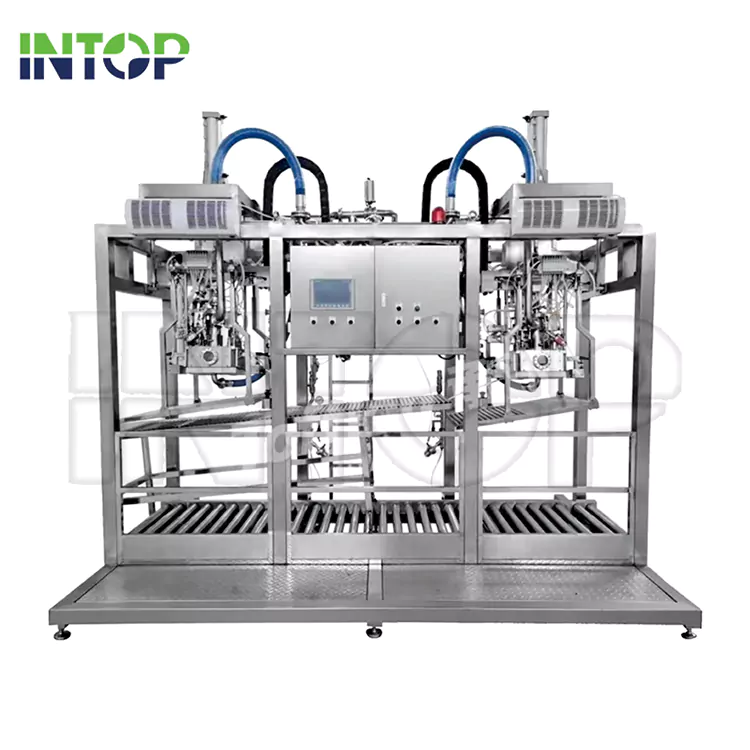
In global beverage manufacturing, brands such as INTOP continue to focus on system integration, technical reliability, and long-term operational value. By aligning equipment performance with evolving industry requirements, production lines can sustain competitiveness and manufacturing efficiency.
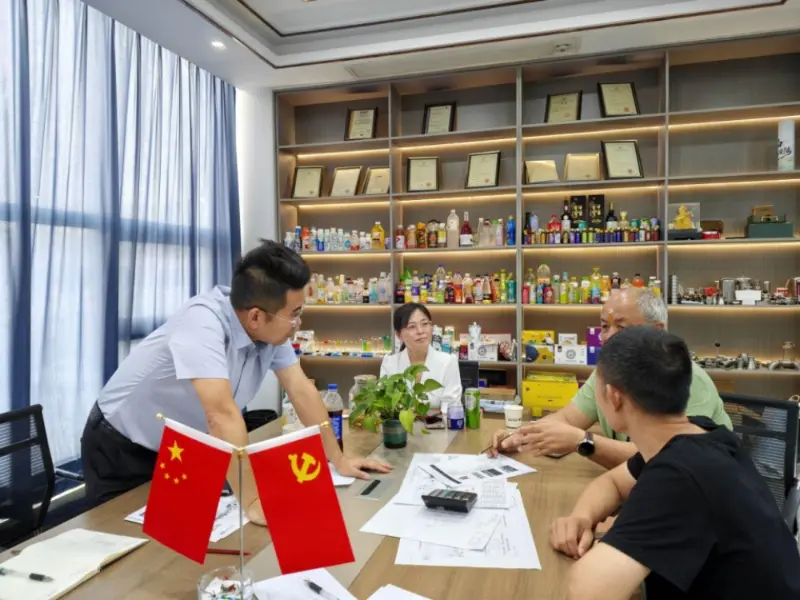
For detailed system configuration, technical consultation, or production planning support, contact us to explore how a Carbonated Drinks Production Line can be aligned with specific manufacturing objectives.
Related News
- What Makes a Strawberry Juice Production Line Efficient, Safe, and Ready for Commercial Scale?
- Bottled Water Production Line: 10 Factors Before Investment
- How to Build a Juice Production Line That Handles Multiple Fruit Types
- What It Takes to Scale an Energy Drink Production Line for Global Demand
- How Does a Water Treatment System Work in a Beverage Production Line?
- How to Choose a CIP System for Multi-Product Beverage Production Lines
Leave me a message