English
- English
- Afrikaans
- беларускі
- Hrvatski
- lugha ya Kiswahili
- ქართული
- Кыргыз тили
- Монгол хэл
- IsiXhosa
- Somali
- O'zbek
- Hawaiian
- Հայերեն
- Español
- Português
- русский
- Français
- 日本語
- Deutsch
- tiếng Việt
- Italiano
- Nederlands
- ภาษาไทย
- Polski
- 한국어
- Svenska
- magyar
- Malay
- বাংলা ভাষার
- Dansk
- Suomi
- हिन्दी
- Pilipino
- Türkçe
- Gaeilge
- العربية
- Indonesia
- تمل
- ελληνικά
- український
- فارسی
- български
- ລາວ
- Latine
- Қазақша
- Azərbaycan
- Македонски
- Lietuvos
- Română
- Srpski језик

How to Build a Juice Production Line That Handles Multiple Fruit Types
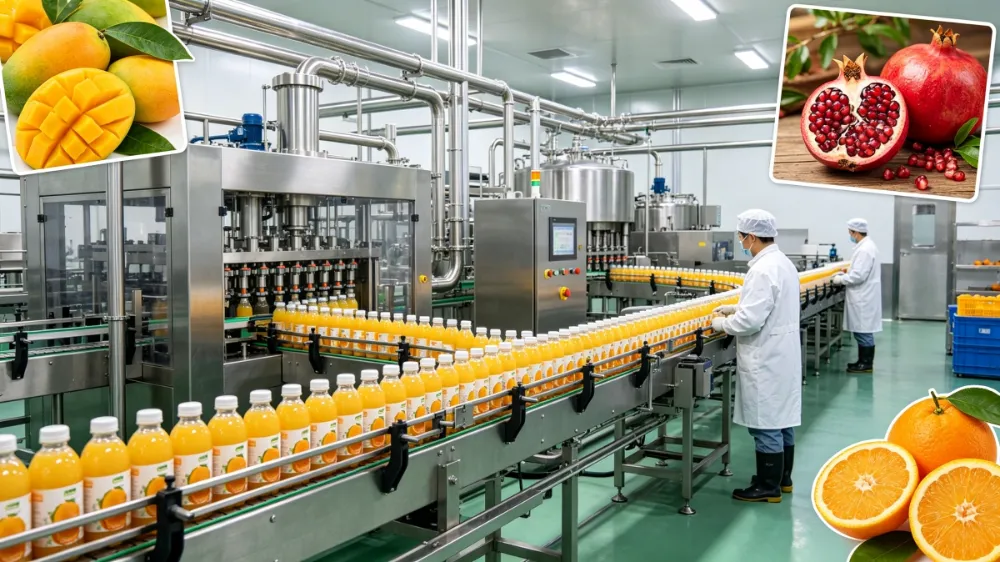
INTOP Machinery has built juice production lines for clients processing everything from mango and pomegranate to orange and mixed berries. When you plan to process more than one fruit on the same line — and most growing bottlers eventually do — the engineering decisions you make early on will determine how flexible and profitable that setup stays over time.
The core challenge with juice isn't the fruit itself. It's the variation between fruits. Mango puree flows nothing like clarified apple juice. Citrus needs oil extraction alongside juice recovery. Berries demand gentle handling to preserve color and aroma. A properly designed juice production line accounts for these differences through modular processing stages rather than a single rigid configuration.
Extraction and Pressing
Different fruits call for different extraction methods. Citrus typically uses reamers or extractor cups that separate peel oil from juice. Stone fruits and tropical fruits like mango and apricot go through pulpers and finishers after being crushed. Berries are pressed using belt or basket presses. If your factory runs several fruit categories, you need adaptable extraction equipment — or a configuration that lets you switch between pressing technologies without major line modifications.
Enzyme Treatment and Clarification
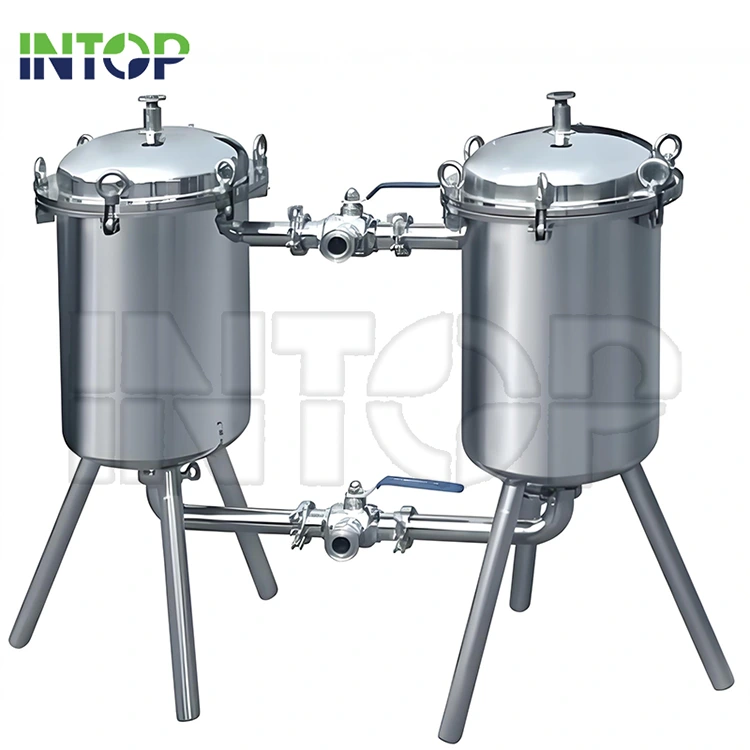
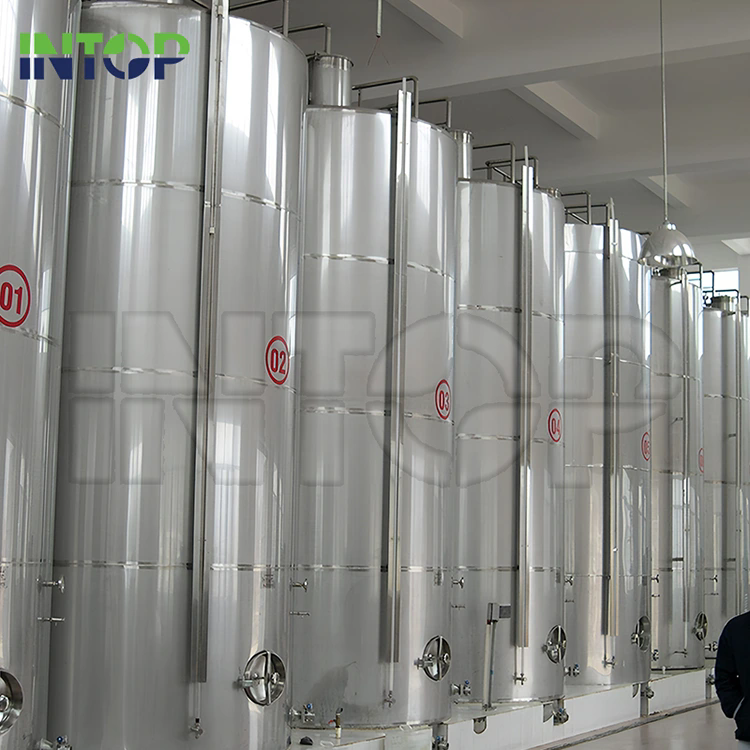
Most juices — especially apple and pear — require enzymatic treatment to break down pectin before clarification. Enzyme dosing systems, clarification tanks, and filtration units (whether ultrafiltration or DE-based) need to be sized for your throughput range. When INTOP Machinery designs a customize juice production line solution, we typically build in 20–30% capacity buffer on these stages so the line can handle seasonal peaks without becoming a bottleneck.
Pasteurization
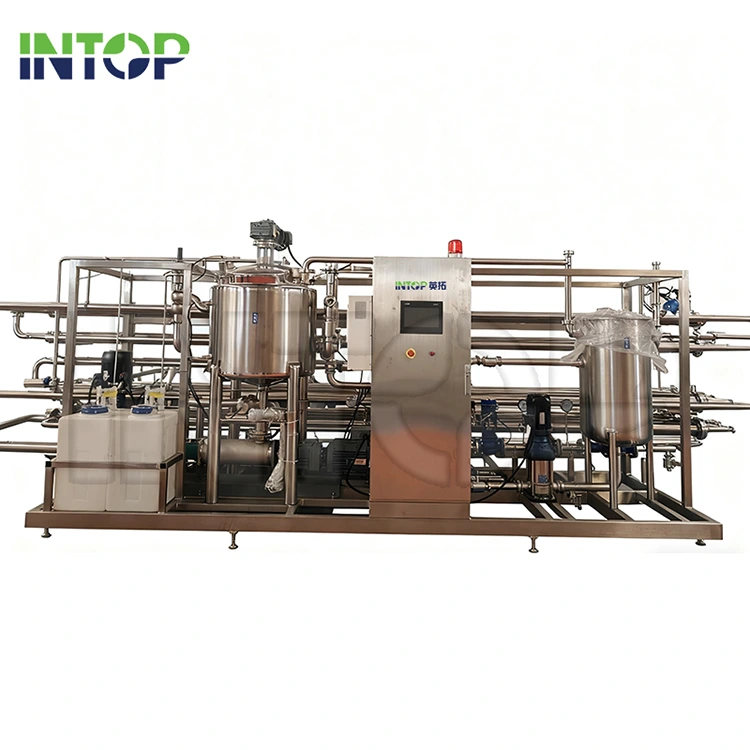
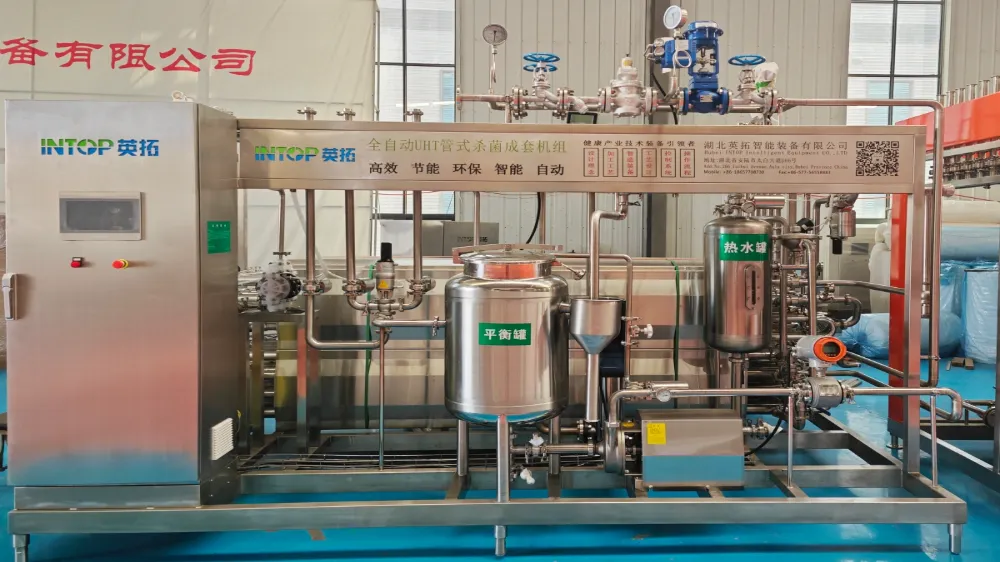
This is where product safety and shelf life are decided. For short-shelf-life cold-chain juices, a tubular or plate pasteurizer operating at 85–95°C for 15–30 seconds is the standard. For ambient-distributed products, you may need higher-temperature UHT treatment followed by aseptic filling. The choice between a pasteurizer and a UHT sterilizer depends on your distribution model, packaging type, and target shelf life. As a China UHT sterilizer supplier with installations across 40+ countries, we've seen how getting this decision right early saves significant re-engineering costs later.
Filling
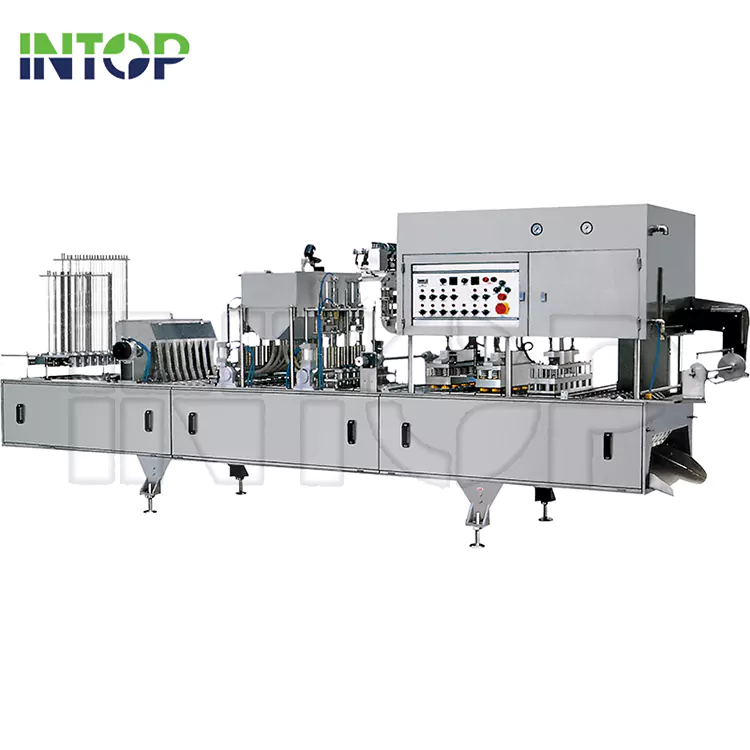
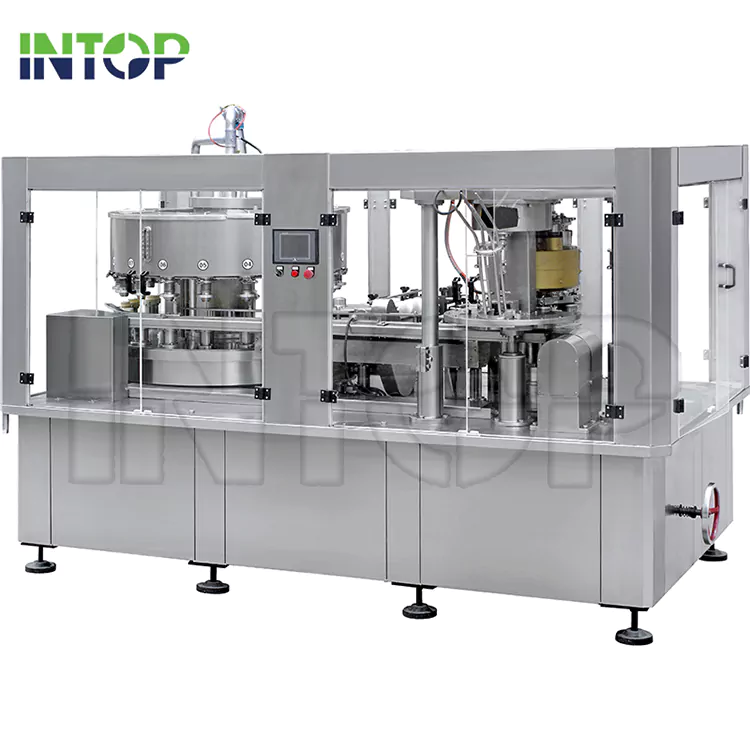
Your filling machine selection depends on the product's viscosity, carbonation level, and packaging format. Still juices in PET typically use gravity or volumetric fillers. If you plan to run both still and carbonated products down the road, a counter-pressure filler handles both. As one of the top filling machine manufacturers in this space, we recommend specifying filler flexibility up front — even if you only plan to run one product initially.
CIP and Changeover
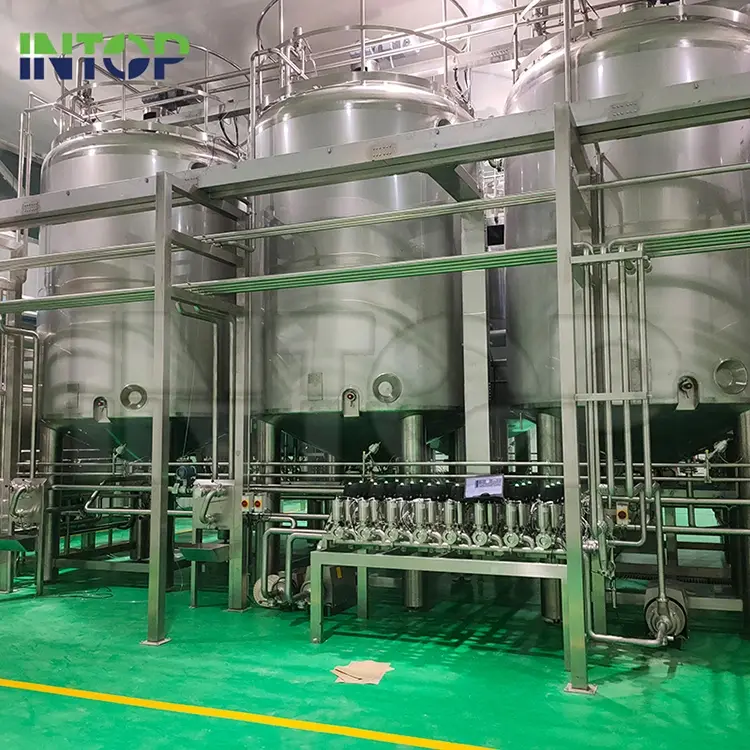
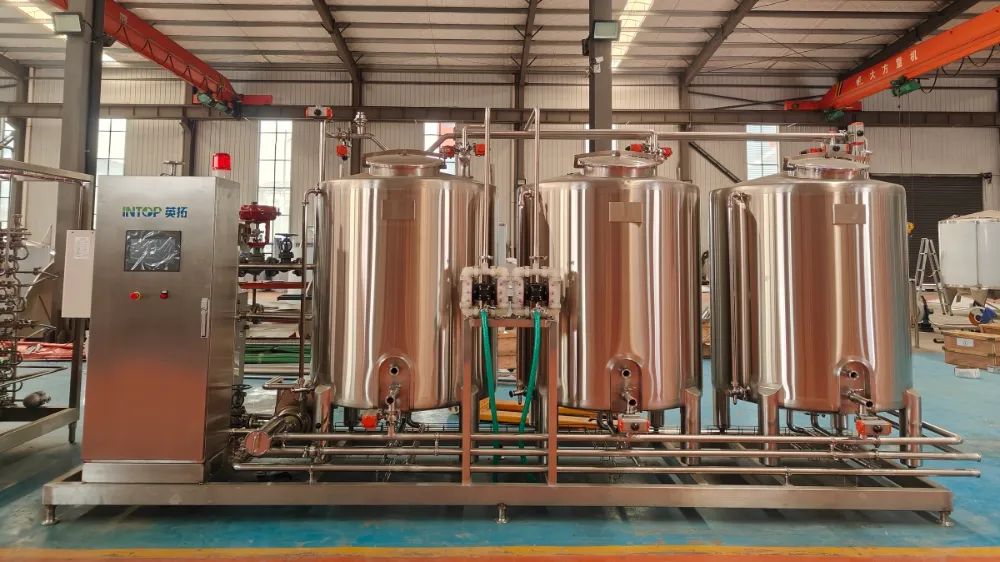
Multi-fruit operations live or die by changeover efficiency. A properly engineered CIP system with product-recovery pigging can cut changeover time from hours to minutes. This is where working with a China beverage production line supplier who understands your product portfolio matters — off-the-shelf CIP designs are often undersized for multi-product lines.
Building a production line that handles multiple fruit types isn't about buying more equipment — it's about buying the right equipment, configured for flexibility. INTOP Machinery designs and manufactures complete juice processing lines from small-scale pilot systems to 30,000 L/h industrial operations, with engineering tailored to your specific fruit portfolio and market requirements.
Related News
- What Makes a Strawberry Juice Production Line Efficient, Safe, and Ready for Commercial Scale?
- Bottled Water Production Line: 10 Factors Before Investment
- What It Takes to Scale an Energy Drink Production Line for Global Demand
- How Does a Water Treatment System Work in a Beverage Production Line?
- How to Choose a CIP System for Multi-Product Beverage Production Lines
- How Does a Plant-Based Beverage Production Line Work?
Leave me a message