English
- English
- Afrikaans
- беларускі
- Hrvatski
- lugha ya Kiswahili
- ქართული
- Кыргыз тили
- Монгол хэл
- IsiXhosa
- Somali
- O'zbek
- Hawaiian
- Հայերեն
- Español
- Português
- русский
- Français
- 日本語
- Deutsch
- tiếng Việt
- Italiano
- Nederlands
- ภาษาไทย
- Polski
- 한국어
- Svenska
- magyar
- Malay
- বাংলা ভাষার
- Dansk
- Suomi
- हिन्दी
- Pilipino
- Türkçe
- Gaeilge
- العربية
- Indonesia
- تمل
- ελληνικά
- український
- فارسی
- български
- ລາວ
- Latine
- Қазақша
- Azərbaycan
- Македонски
- Lietuvos
- Română
- Srpski језик

What It Takes to Scale an Energy Drink Production Line for Global Demand
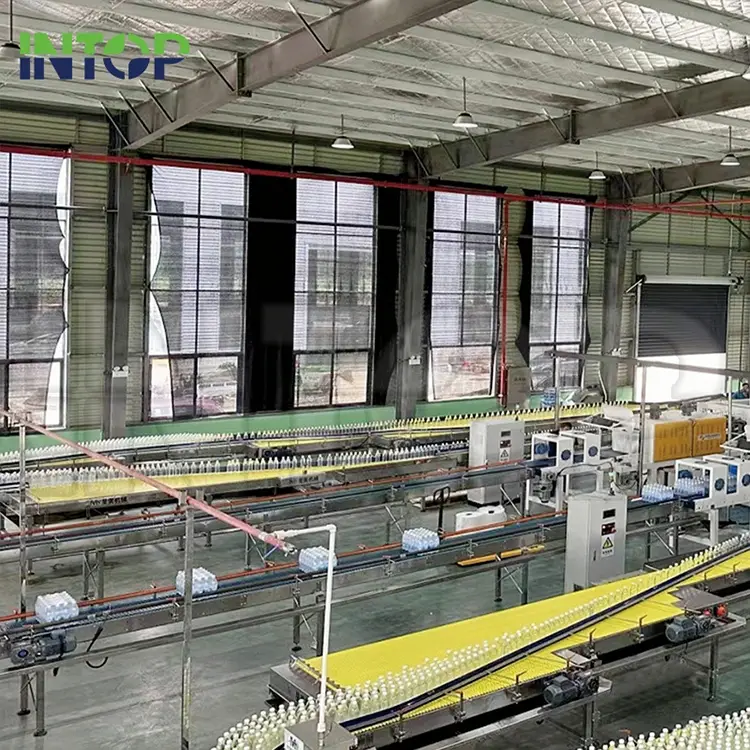
INTOP Machinery has delivered energy drink production line projects to clients in the Middle East and Southeast Asia, and one pattern is consistent: this category scales differently from anything else in beverages.
The global energy drink market keeps growing at about 7% annually. That is not the fastest rate in beverages, but it is the most stubborn. Other categories spike and cool off. Energy drinks just climb. For manufacturers, that means the line you commission today needs to handle more volume next year — without rebuilding half the factory.
Here is what actually determines whether your line can scale.
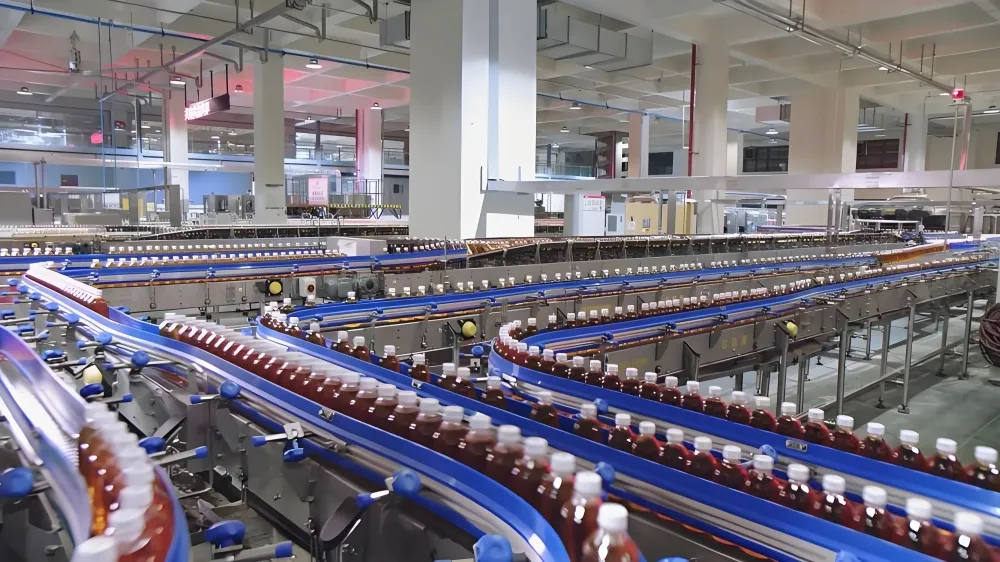
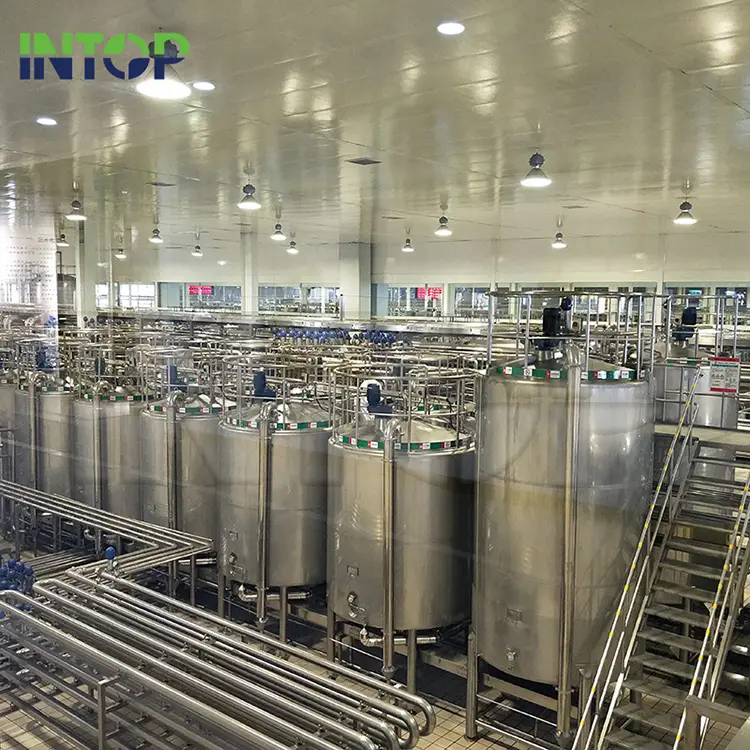
Water treatment sets the ceiling. Energy drinks are mostly water, and the flavor profile is unforgiving. Small shifts in mineral content or pH change the taste enough that consumers notice. A proper water production line — multi-stage filtration, reverse osmosis, and deaeration — is the foundation. We have seen clients cut corners here, then spend months reformulating because the product tasted different in every market they entered.
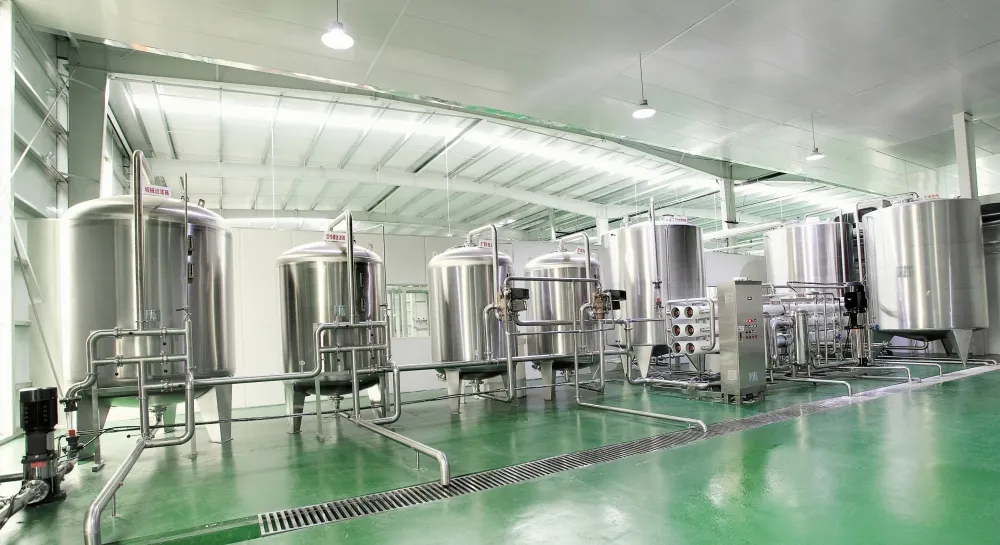
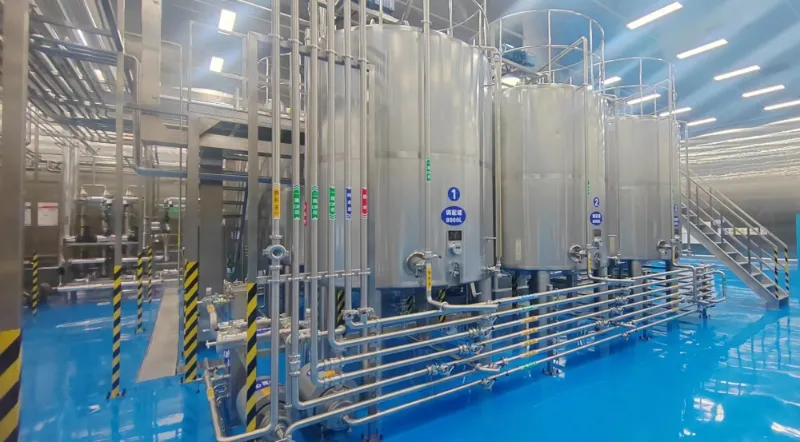
Dosing precision is non-negotiable. Caffeine, taurine, B-vitamins, and flavorings are added in small amounts but have to be distributed evenly. Your batching system needs high-accuracy dosing, and the mixing tanks need the right shear for your formula. This is where a customize beverage production line solution matters. Off-the-shelf equipment does not work when every brand guards its recipe.
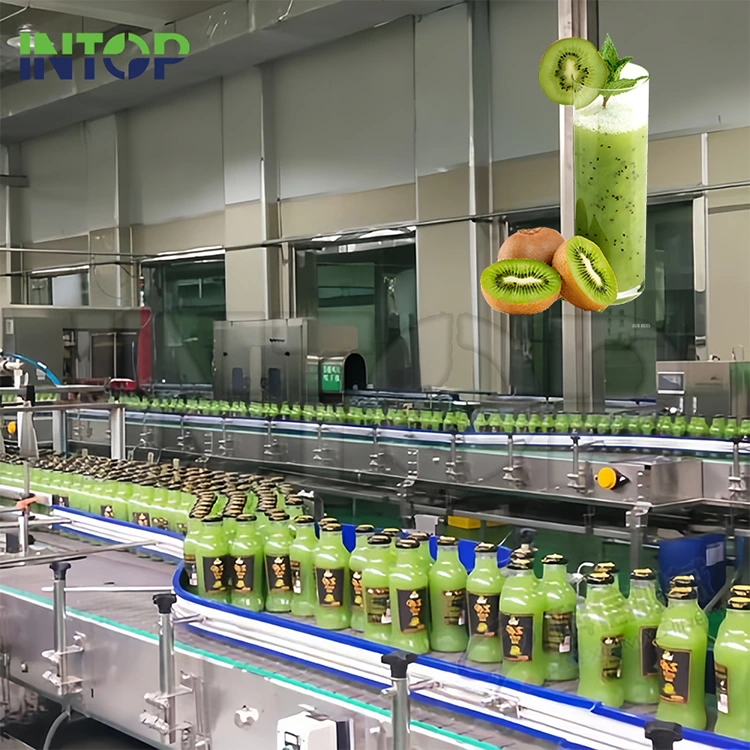
Carbonation is part of the brand. Most energy drinks are carbonated, and the level is part of the identity. Your filling machine must maintain consistent CO₂ injection through speed changes and shift transitions. A top filling machine supplier will spec counter-pressure isobaric fillers rated for high carbonation. This is not the place to save money.
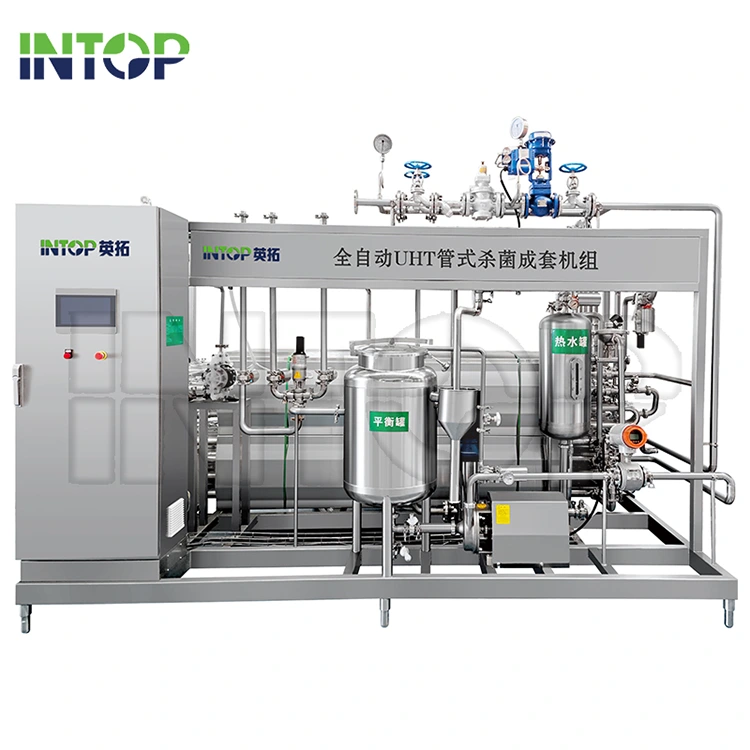
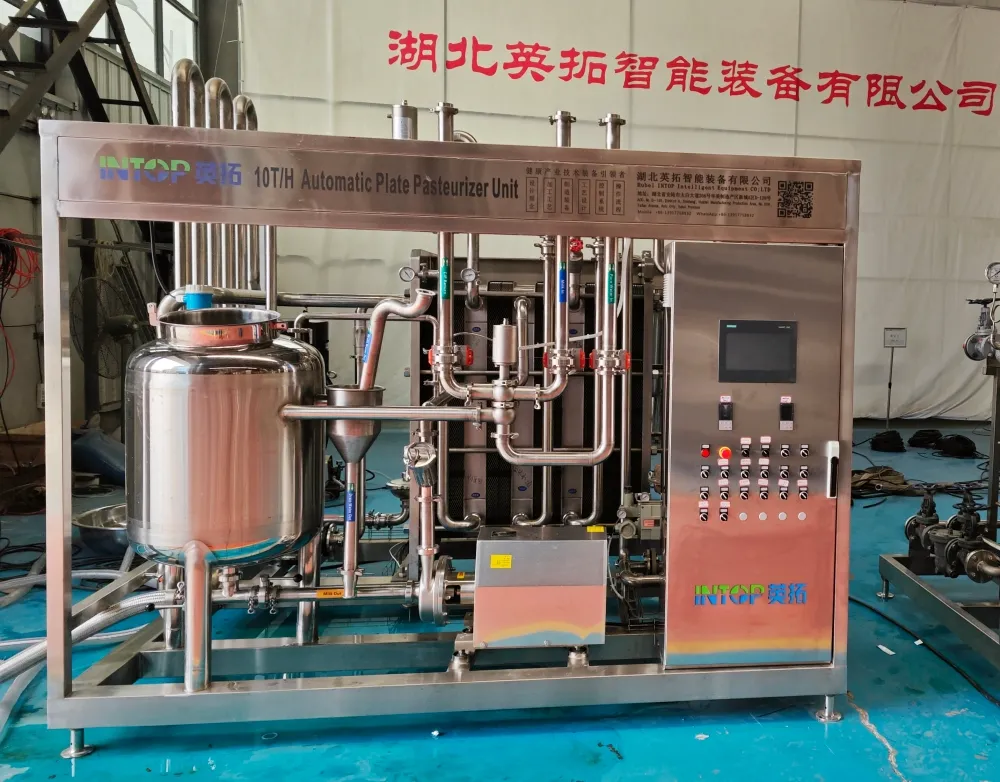
Thermal treatment follows the formula. Some energy drinks go through a hot fill process with a pasteurizer. Others use UHT with aseptic filling, especially when the recipe contains heat-sensitive vitamins. A China UHT sterilizer supplier like us configures both paths and lets the product decide — not the other way around.
High-speed slim can filling. The 250 ml slim can dominates energy drink packaging, and can lines run fast. Throughput of 36,000 to 60,000 cans per hour is standard for a well-built line. The best filling machine manufacturers design for this range with quick-changeover parts for format switches, because energy drink brands rotate SKUs faster than most.
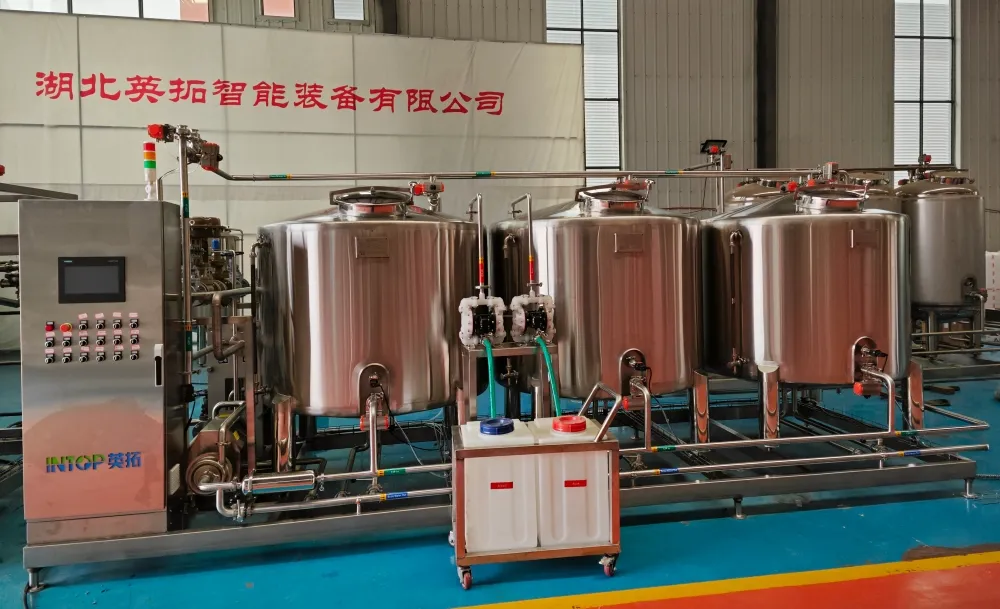
CIP is your hidden bottleneck. When you run one flavor and need to switch to another, cleaning time is lost production. Automated CIP with recovery and recirculation can cut a 90-minute cycle to 35 minutes. On a line running 20 hours a day, that is an extra shift of output.
Integration is where projects fail. The real risk in any energy drink production line is not the individual machines. It is the interfaces—the water system that does not match the filler, the CIP loop that does not align with the pipe layout, and the control signals that do not talk to each other. These are the problems that eat months of commissioning. They are preventable when one team designs the whole line.
At INTOP Machinery, we supply energy drink lines as turnkey packages: water treatment, batching, mixing, carbonation, filling, CIP, and packaging. OEM service is available for clients who want their own branding on equipment panels and control systems. The question worth asking early is not which machines to buy, but who can make them work together. That conversation saves more money than any discount on a single unit.
Related News
- What Makes a Strawberry Juice Production Line Efficient, Safe, and Ready for Commercial Scale?
- Bottled Water Production Line: 10 Factors Before Investment
- How to Build a Juice Production Line That Handles Multiple Fruit Types
- How Does a Water Treatment System Work in a Beverage Production Line?
- How to Choose a CIP System for Multi-Product Beverage Production Lines
- How Does a Plant-Based Beverage Production Line Work?
Leave me a message