English
- English
- Afrikaans
- беларускі
- Hrvatski
- lugha ya Kiswahili
- ქართული
- Кыргыз тили
- Монгол хэл
- IsiXhosa
- Somali
- O'zbek
- Hawaiian
- Հայերեն
- Español
- Português
- русский
- Français
- 日本語
- Deutsch
- tiếng Việt
- Italiano
- Nederlands
- ภาษาไทย
- Polski
- 한국어
- Svenska
- magyar
- Malay
- বাংলা ভাষার
- Dansk
- Suomi
- हिन्दी
- Pilipino
- Türkçe
- Gaeilge
- العربية
- Indonesia
- تمل
- ελληνικά
- український
- فارسی
- български
- ລາວ
- Latine
- Қазақша
- Azərbaycan
- Македонски
- Lietuvos
- Română
- Srpski језик

How Does a UHT Milk Production Line Work?
From Raw Milk to 6-Month Shelf Life — No Refrigeration Required
Walk into any supermarket in the Middle East or West Africa, and you will find shelves stocked with shelf-stable milk—requiring no cold chain, boasting a shelf life of 6 to 12 months, and containing no preservatives. This is no mere marketing gimmick; it is the result of the UHT technology used in INTOP milk production line.
Ultra-High Temperature processing heats milk to 135–150°C for just 2–6 seconds, then cools it rapidly before sealing it into pre-sterilized packaging. That brief heat spike destroys every pathogen and spore that would cause spoilage. The result is commercial sterility — safe to store at room temperature until opened.
Compare that to pasteurization: 72°C for 15 seconds. Pasteurized milk still needs refrigeration and lasts 2–3 weeks. For processors in markets where cold chain is expensive or unreliable, that difference is the whole business case.
The Production Process — Step by Step
Reception & Clarification - Raw milk enters a balance tank, then passes through a centrifugal clarifier to remove physical impurities before processing begins.
Standardization - Fat content is adjusted to spec. A cream separator splits the milk into skim and cream fractions, which are recombined at the target ratio. This is how producers consistently hit 3.5% whole milk or 1.5% semi-skimmed regardless of seasonal variation in the raw supply.
Homogenization - Without this step, fat globules separate and rise. A high-pressure homogenizer at 150–200 bar breaks fat particles down below 1 micron. No cream layer. Stable shelf texture throughout the product's life.
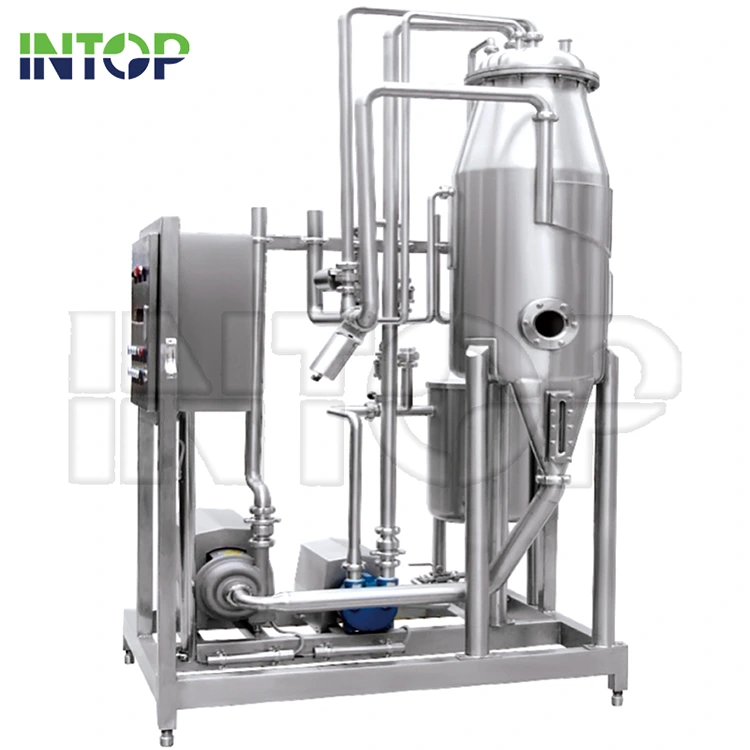
UHT Sterilization - The core of the system. Two main approaches:
· Indirect UHT uses plate or tubular heat exchangers. Product never contacts the heating medium. Energy recovery through regeneration reaches 85–90%. This is the most common setup for dairy.
· Direct UHT - steam injection or infusion — contacts the product directly. Faster heating, gentler on proteins, flavor closer to fresh milk. More complex, lower energy recovery.
Which one is right depends on budget, target market, and whether the priority is operating cost or product quality.
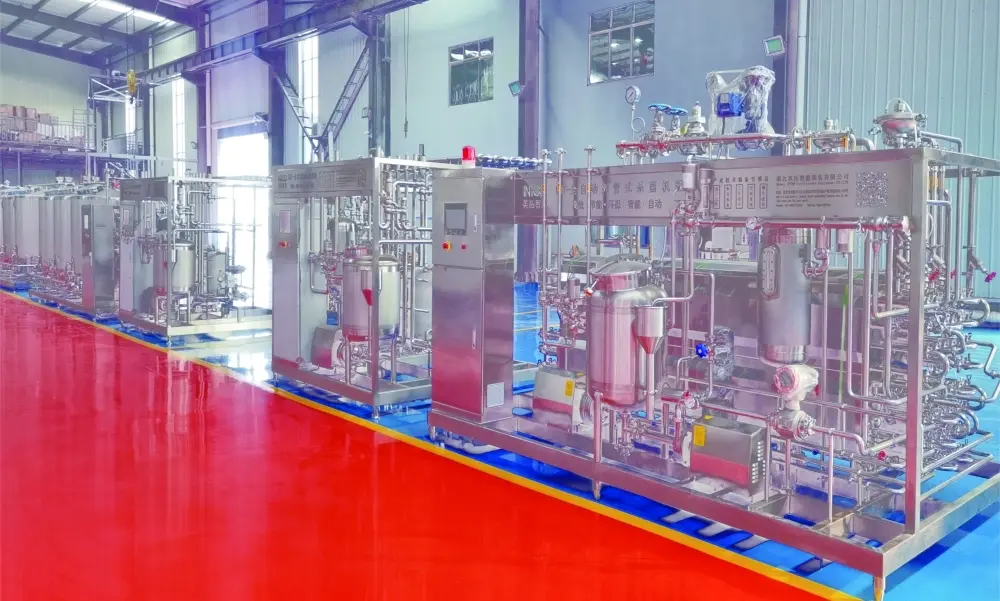
Holding & Cooling - After the heater, product flows through a holding tube sized to guarantee dwell time at temperature. It then passes back through the regeneration section, pre-heating incoming cold milk, before being cooled to filling temperature.
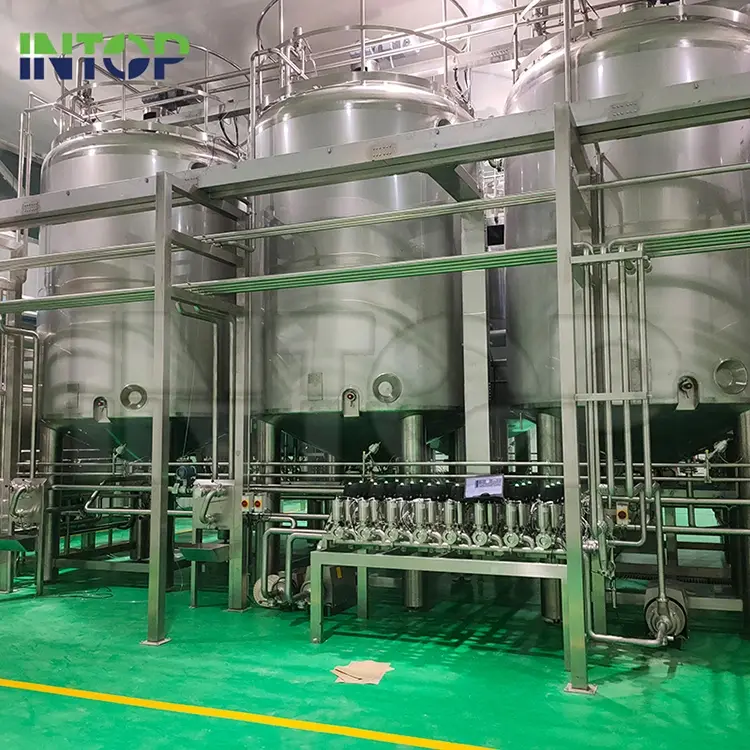
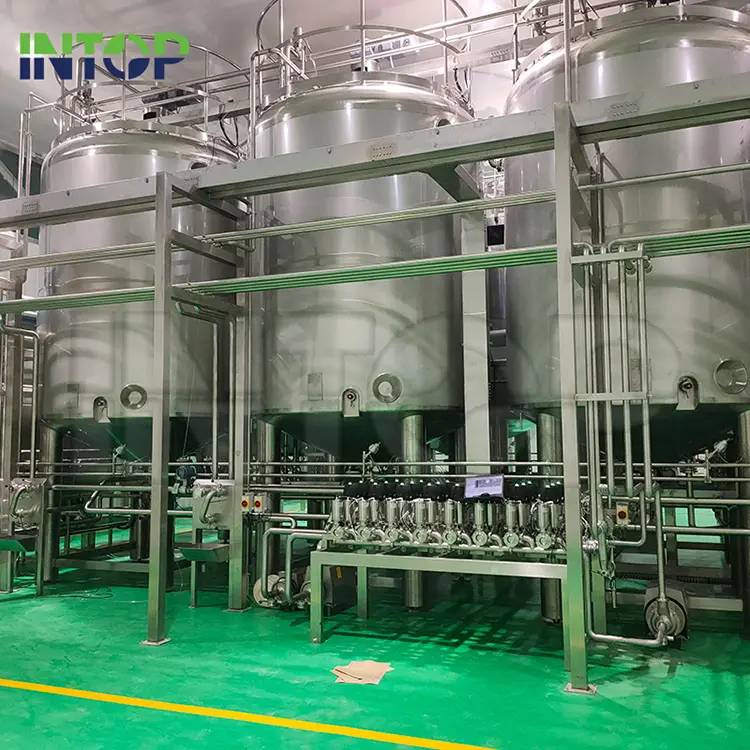
Aseptic Buffer Tank - Sterilized product waits here in a sealed, sterile-air-pressurized vessel before filling. This decouples the sterilizer from the filler — a critical buffer that keeps the line running during brief packaging stops.
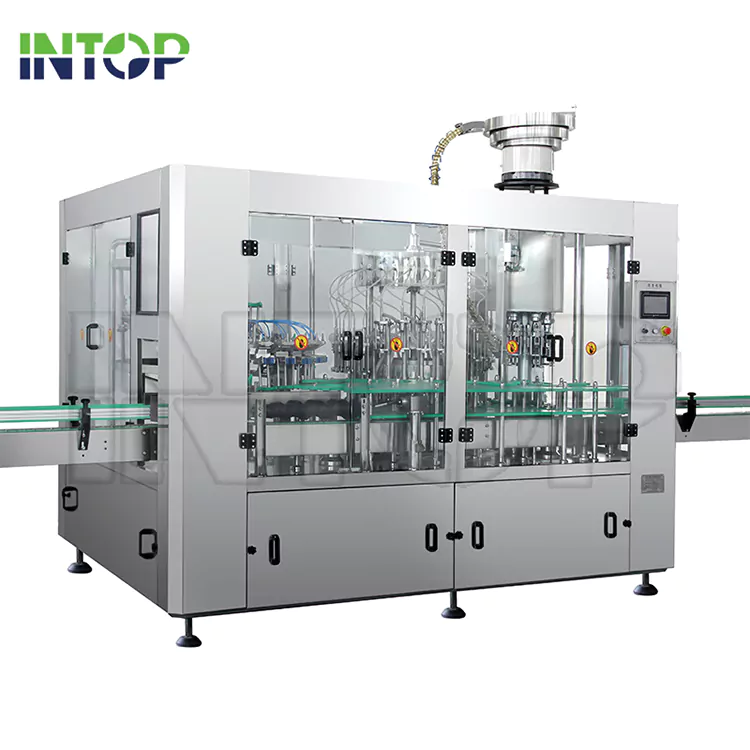
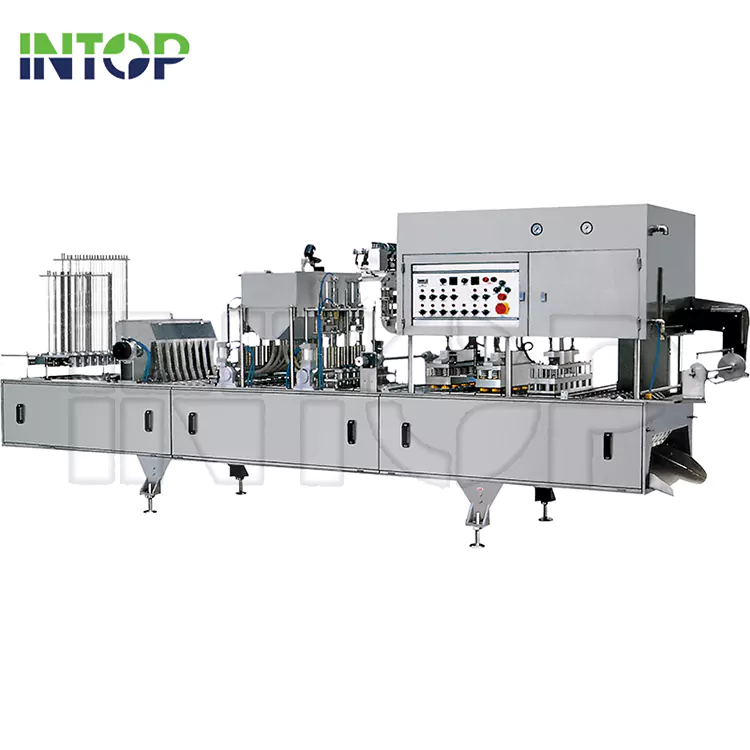
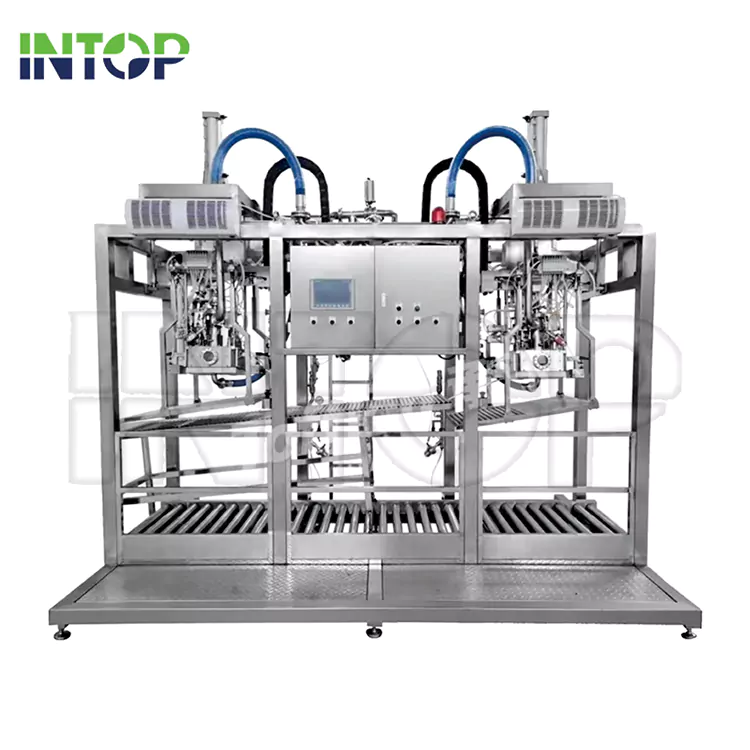
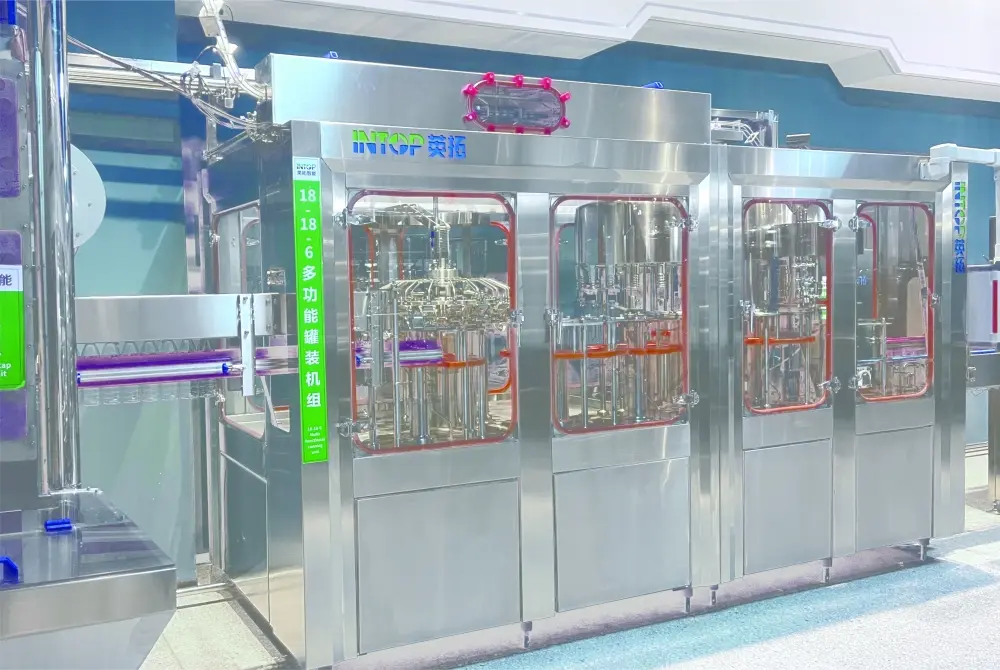
Aseptic Filling - Packaging material is sterilized with H₂O₂ or UV before contact with the product. Filling and sealing happen inside a sterile zone. Once that carton is sealed, it's done — no refrigeration needed until the consumer opens it.
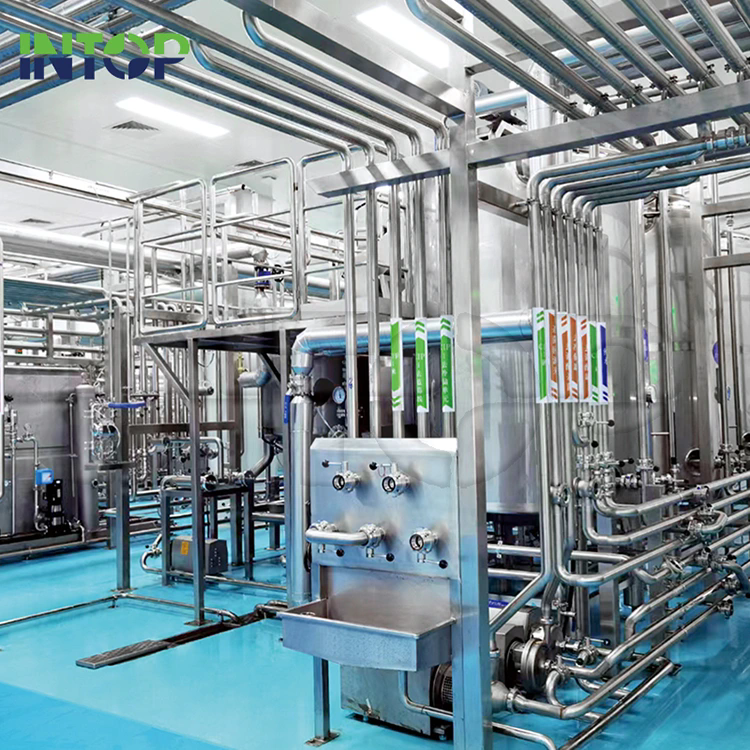
CIP (Clean-In-Place) - The line cleans itself between runs: hot caustic, water rinse, acid, water rinse — all circulated through closed pipework automatically. Milk residues that survive between runs become biofilm. Biofilm is a contamination source no amount of UHT heat will fix after the fact.
Who Needs This?
The business case is strongest where fresh milk supply is inconsistent, cold chain adds real cost, or the target market is export. A pasteurized milk plant serves its local area. A UHT plant can supply an entire country - or ship across continents.
Intop designs and builds complete UHT dairy production lines from 500 L/h to 20,000+ L/h, covering whole milk, skim, flavored milk, and plant-based UHT beverages. Turnkey supply to 40+ countries.
Contact: keira@intopmach.com | WhatsApp: +86 153 5651 9597
Related News
- Tubular UHT Sterilizer Technology Advances Support the Growth of Aseptic Beverage Processing
- What Makes a Strawberry Juice Production Line Efficient, Safe, and Ready for Commercial Scale?
- Bottled Water Production Line: 10 Factors Before Investment
- How to Build a Juice Production Line That Handles Multiple Fruit Types
- What It Takes to Scale an Energy Drink Production Line for Global Demand
- How Does a Water Treatment System Work in a Beverage Production Line?
Leave me a message