English
- English
- Afrikaans
- беларускі
- Hrvatski
- lugha ya Kiswahili
- ქართული
- Кыргыз тили
- Монгол хэл
- IsiXhosa
- Somali
- O'zbek
- Hawaiian
- Հայերեն
- Español
- Português
- русский
- Français
- 日本語
- Deutsch
- tiếng Việt
- Italiano
- Nederlands
- ภาษาไทย
- Polski
- 한국어
- Svenska
- magyar
- Malay
- বাংলা ভাষার
- Dansk
- Suomi
- हिन्दी
- Pilipino
- Türkçe
- Gaeilge
- العربية
- Indonesia
- تمل
- ελληνικά
- український
- فارسی
- български
- ລາວ
- Latine
- Қазақша
- Azərbaycan
- Македонски
- Lietuvos
- Română
- Srpski језик
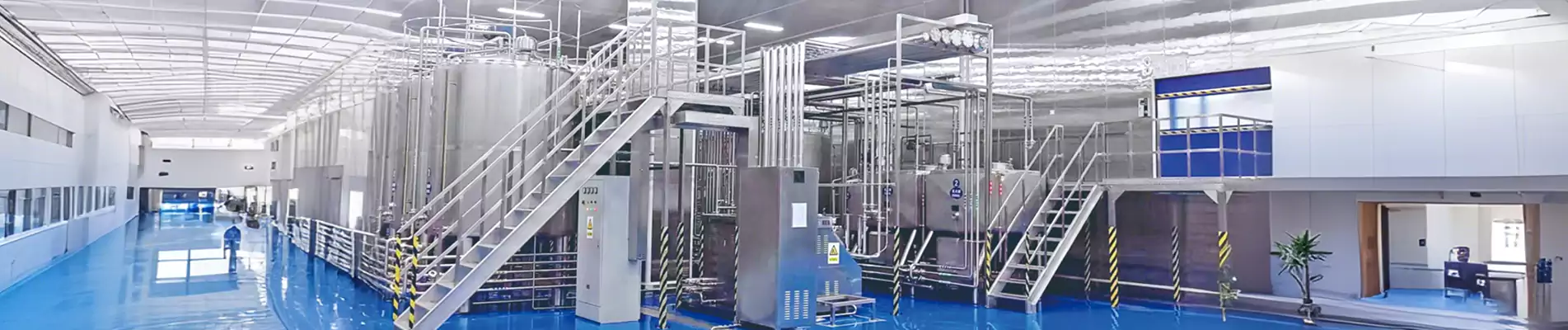


Jelly Production Line
INTOP is a Chinese company that makes professional beverage equipment. They focus on making high-quality, custom equipment for the food and beverage industry all over the world. They are experts at designing, researching, and building jelly production lines, and they also offer full-service project management.
Making jelly is hard and you need the right tools to do it. Today's filling lines are systems that work together and connect many different parts. Every step of the production process affects how good, safe, and competitive a product is on the market. We have a professional technical team that knows everything there is to know about the different ways to make jelly and the equipment needed. They have worked on beverage equipment projects for years and have a lot of technical knowledge. If you need a custom jelly production line, INTOP can design and build one that meets all of your specific process needs, equipment performance standards, production capacity needs, and quality control indicators.
What is the most important parts of the Jelly production line?
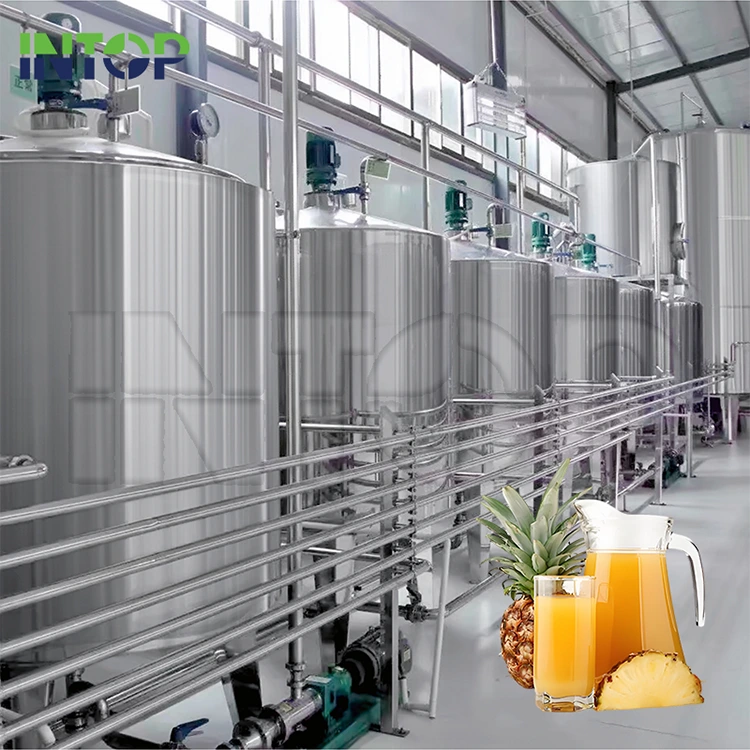
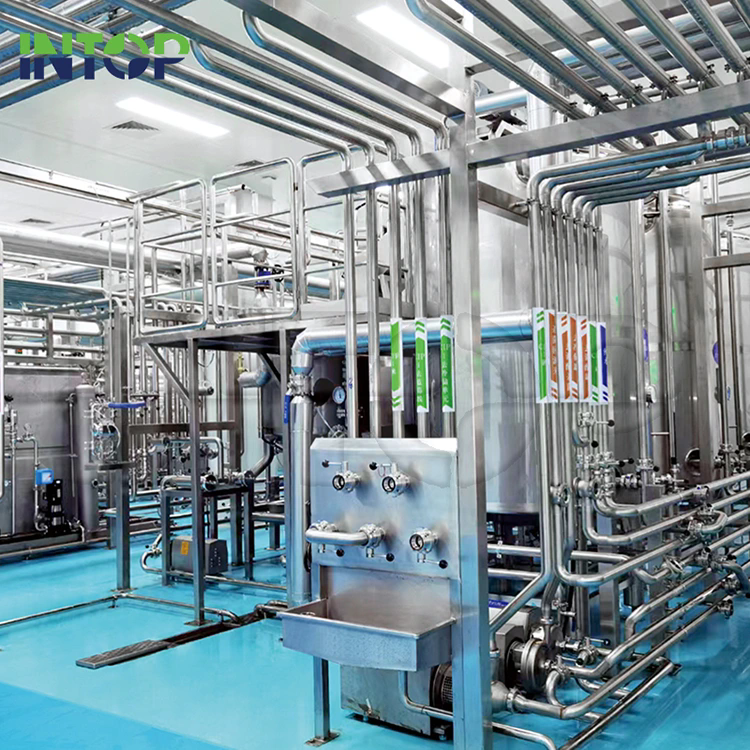
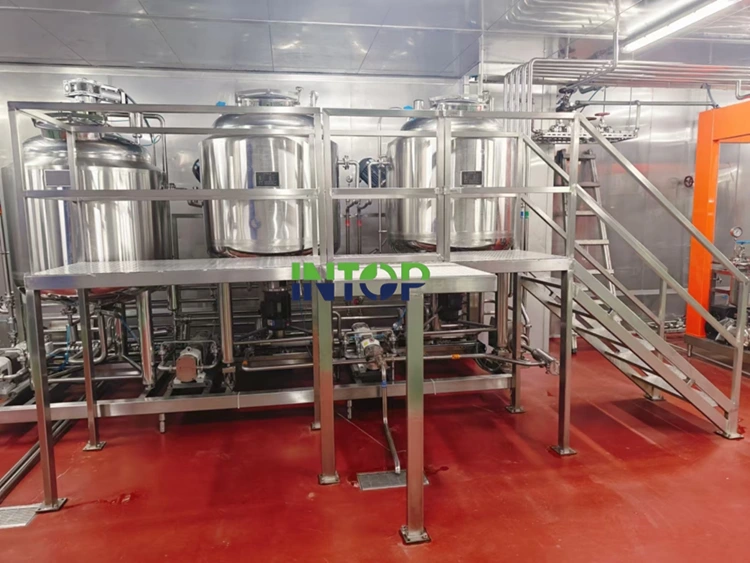
Putting the pre-treatment system together 、Setting up the pre-treatment system is the first step in making jelly. It turns raw materials into a gel that can be filled and is the same all the way through. How well the control works will determine? what comes next ?and how good the product is? It has a filter unit, a buffer tank, and a sol tank.
The sol tank is made of 316L stainless steel and can hold as much as the production line can handle. It has a stirring system with three layers and a heating function that can be set to any temperature between 60 and 90 degrees Celsius. The jacketed heating and high-precision sensors work together to keep the temperature control accurate to within ±1°C.
The filter unit has a stainless steel filter screen with 100 meshes and can clean itself all the time. You can add a second precision filter with more than 200 meshes and check the jelly's cleanliness online.
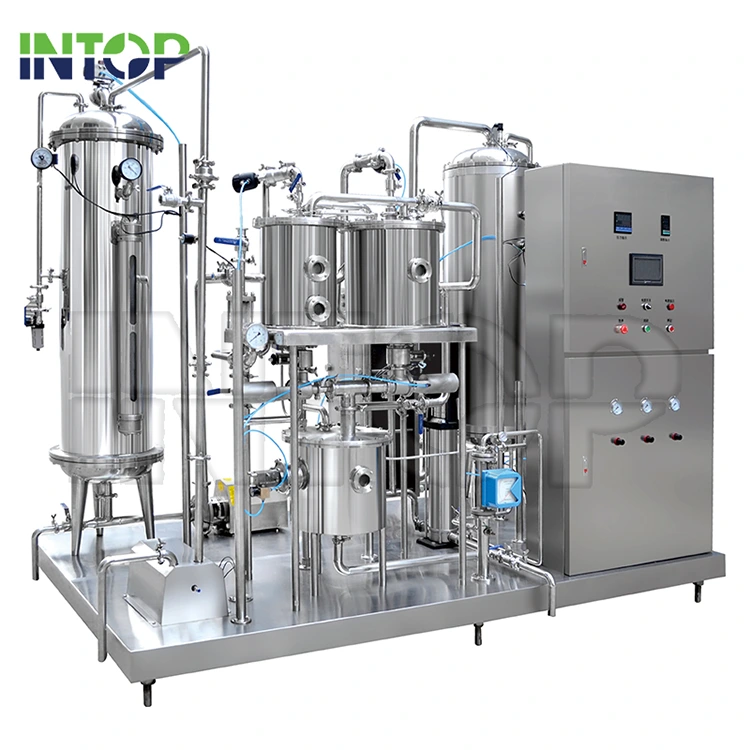
The system has metering tanks and static mixers that change the acidity and flavor. It adds extra materials very precisely, and it uses vacuum injection and rapid cooling technology to cool the gel down to 65–70°C in 10 seconds, which helps keep the flavor.
Name of the Equipment Material Need Technical Details Features that work 2m³ of 316L stainless steel in the tank; the heating range is 60 to 90 degrees.Three layers of stirring and a temperature control that is accurate to within 1°C. The filter unit is made of 304 stainless steel and has a filter screen with 100 to 200 mesh.316L stainless steel flavoring system with multi-channel proportional addition and an error of ±0.5%. It cleans itself and keeps an eye on cleanliness on the internet.Technology for fast cooling and vacuum injection
|
Equipment Name |
Material Requirement |
Technical Parameters |
Functional Features |
|
Sol Tank |
316L Stainless Steel |
Volume 2m³, Heating adjustable 60-90℃ |
Three-layer stirring system, ±1℃ temperature control accuracy |
|
Filter Unit |
304 Stainless Steel |
100-200 mesh filter screen |
Self-cleaning design, online cleanliness monitoring |
|
Flavoring System |
316L Stainless Steel |
Multi-channel proportional addition, error ±0.5% |
Vacuum injection, rapid cooling technology |
Technical Information for the Filling and Sealing Machine Set
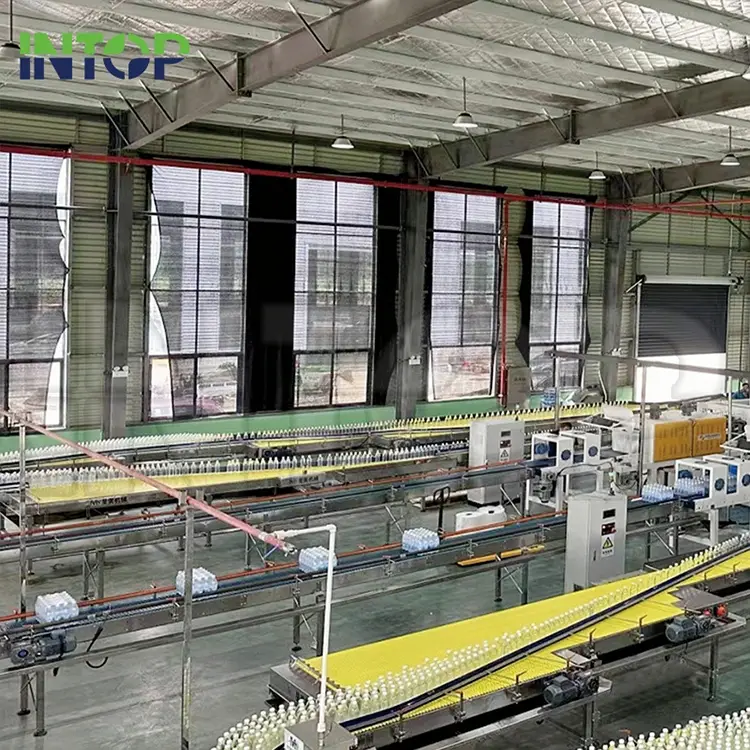
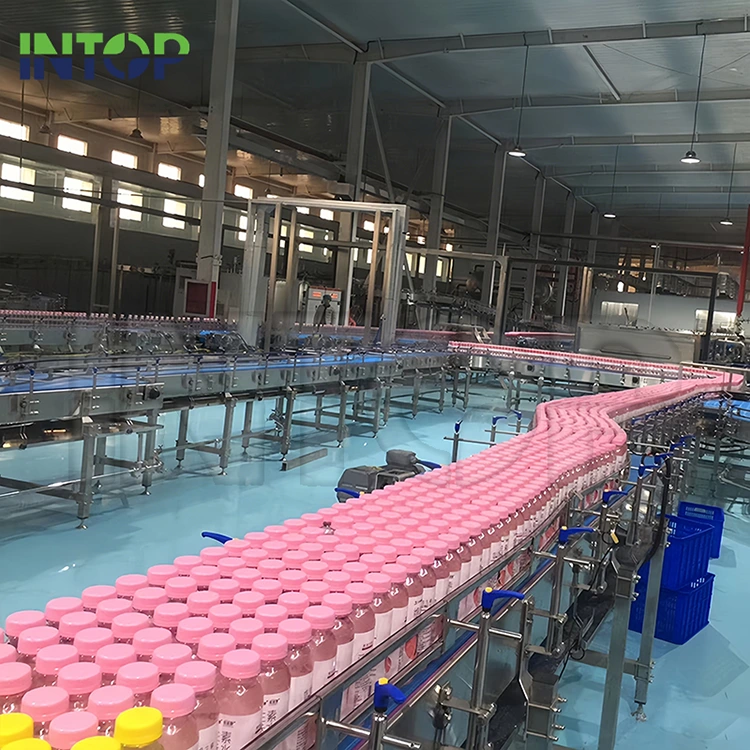
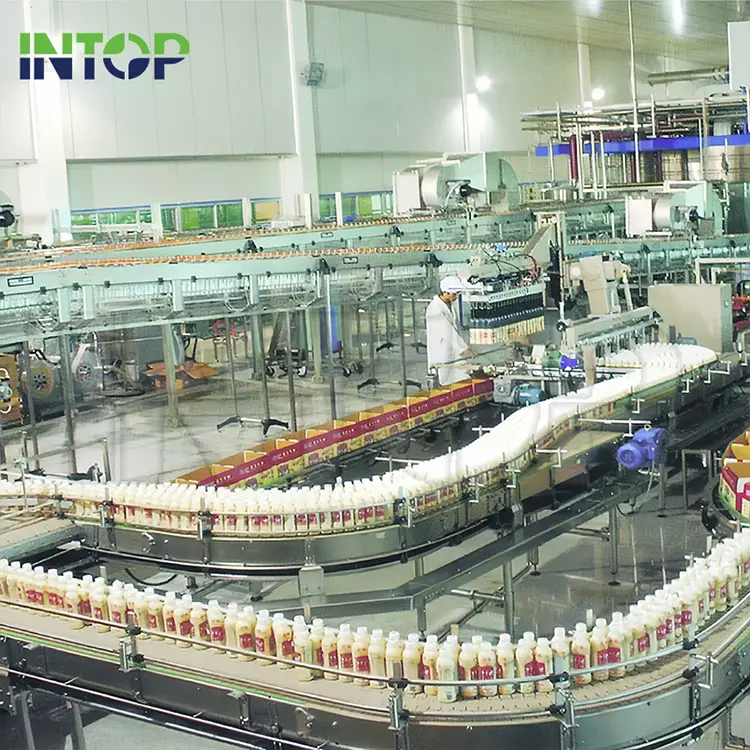
The filling and sealing unit is the most important part of the line that makes things. It has become very automated and many processes work together smoothly, which has a direct effect on how accurate the filling is, how good the sealing is, and how quickly the production goes.
A piston-type filling machine is used for jelly that doesn't have any fruit pieces in it. The diaphragm seal design stops fruit pieces from getting stuck, and the filling temperature has to be at least 65°C.
The sealing machine uses technology to seal things again. The best models have a temperature control system that can be changed to work with different types of sealing films. Multi-cup models can brew 800 to 1,000 cups of coffee in an hour.
How to Choose the Right Level of Automation for a Jelly Production Line?
You need to think carefully about technical, economic, and strategic issues when deciding how much automation to use. A smart setup can help things run more smoothly and save money, but you need to find the right balance between how much you spend up front and how hard it is to run the business.
•Production Scale: Big companies should use production lines that are very automated, while small and medium-sized businesses can choose to upgrade their equipment in stages.
•Quality Standards for Goods: Aseptic, long-shelf-life, and export goods need more automation and detection to make sure that production is consistent and that the goods meet quality standards.
•Plan your investments: Put your money into the processes that are causing the most problems. If you have enough money, you can plan to digitize the whole plant. It takes 2 to 4 years for automatic equipment to pay for itself.
|
Automation Level |
Equipment Features |
Applicable Scale |
Relative Investment |
Labor Requirement |
|
Semi-automatic |
Single machine operation, manual handling |
<1T/H |
1x |
10-12 people/shift |
|
Full-automatic |
Linked production line, automatic conveying |
1-3T/H |
2-3x |
5-6 people/shift |
|
Intelligent Automatic |
Robot integration, MES system |
>3T/H |
4-5x |
2-3 people/shift |
Looking at the Standardized Production Process
Standardized production is very important for making sure that products are always the same and safe. It uses information to control things, breaks up important control points, and carefully changes the settings for each step.
•Step of Preparing Raw Materials: A machine mixes the raw materials together. The sol needs to boil for 10 minutes at 90°C for each batch to be the same. After that, it needs to be between 800 and 1200cP thick before moving on to the next step.
•Blending and Filling Stage: Auxiliary materials are added at exactly 75°C, and filling is done quickly at temperatures above 65°C. After sealing, the jelly is sterilized, and the weight error for a 250g cup of jelly is no more than ±1.5g.
•The temperature for pasteurization: It is between 80 and 85 degrees Celsius, and the time it takes depends on what the product needs. In 15 minutes, robotic arms cool the product down to room temperature, put a label on it, and put it in a box. After that, each batch is tested.
Parameters for controlling the stage of production Dealing with deviations in the standard value range monitoring method Getting Ready for Sol Temperature/Time: 90°C for 10 minutes; online temperature sensor; automatic alarm; and longer sol time
Make the pH level between 3.2 and 3.6. Use a pH tester that you can use online.Put in the acid correction solution.
The filling is at least 65 degrees Celsius warm.Use a thermocouple to find out how hot it is. After that, go back to the buffer tank and heat it up again.
Samples are taken and tested every half hour, and the MES system gets the results. Some production lines use AI to make processes better, which makes production more flexible and reduces the number of changes people make.
To make sure a product is good, it is very important to have key process control points. Modern production lines turn operations based on experience into measurable industrial production with automatic monitoring.
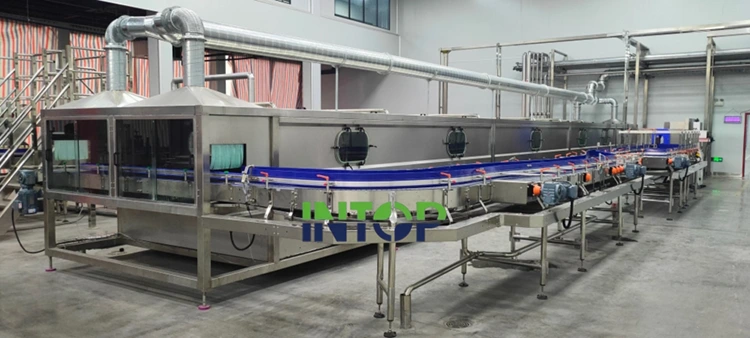
• Keeping the Temperature Right: The solution has to be made at a temperature of at least 90°C, the flavor and acid have to be changed at a temperature of less than 75°C, and the filling has to be done at a temperature of between 65°C and 70°C. To keep the product from being damaged by sudden changes in temperature, sterilization uses staged temperature control.
• Hygiene Standards: The air in the filling area is clean enough to meet Class 100,000 standards, and there are Class 100,000 laminar flow hoods in important places. The equipment is designed to be clean, and it is cleaned, sterilized, and checked for germs on a regular basis.
• Capacity Matching: The equipment capacity for each section needs to be set up in a way that is based on science. To get the most out of the equipment, the buffer tanks, conveyor systems, and public facilities all need to be able to handle the amount of work being done.
• Energy Efficiency: An energy management system, waste heat recovery, jacketed heating, and frequency conversion technology all help to use less energy in production.
Hot Tags: Jelly Production Line
Send Inquiry
Contact Info
-
Address
No. 266 Taibai Avenue, Huamei Intelligent Manufacturing Industrial New City, Zone A, Anlu City, Hubei Province, China
-
Tel
-
Email
For inquiries about Production Line, Juicing Machine and Water Treatment System or price list, please leave your email to us and we will be in touch within 24 hours.