English
- English
- Afrikaans
- беларускі
- Hrvatski
- lugha ya Kiswahili
- ქართული
- Кыргыз тили
- Монгол хэл
- IsiXhosa
- Somali
- O'zbek
- Hawaiian
- Հայերեն
- Español
- Português
- русский
- Français
- 日本語
- Deutsch
- tiếng Việt
- Italiano
- Nederlands
- ภาษาไทย
- Polski
- 한국어
- Svenska
- magyar
- Malay
- বাংলা ভাষার
- Dansk
- Suomi
- हिन्दी
- Pilipino
- Türkçe
- Gaeilge
- العربية
- Indonesia
- تمل
- ελληνικά
- український
- فارسی
- български
- ລາວ
- Latine
- Қазақша
- Azərbaycan
- Македонски
- Lietuvos
- Română
- Srpski језик

How to Select Auxiliary Equipment That Fits Your Factory’s Workflow?
At Hubei Intop Machinery Co., Ltd., we understand the importance of integrating auxiliary equipment that not only supports production but also aligns seamlessly with your factory’s workflow. Choosing the right auxiliary equipment can greatly improve efficiency, reduce operational costs, and enhance product quality. In this guide, we share our expertise on selecting the most suitable auxiliary equipment for your operations, complete with practical examples, technical parameters, and professional insights.
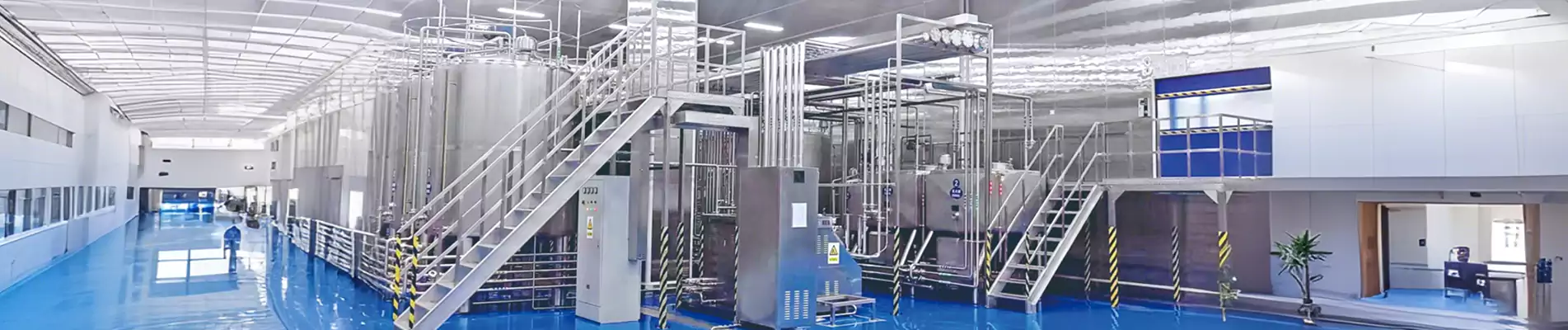
Table of Contents
- Why is Auxiliary Equipment Crucial for Your Factory Workflow?
- What Factors Should You Consider When Selecting Auxiliary Equipment?
- How to Evaluate Technical Parameters of Auxiliary Equipment?
- How Do You Integrate Auxiliary Equipment into Existing Workflow?
- What Are Common Mistakes When Choosing Auxiliary Equipment?
- Frequently Asked Questions
Why is Auxiliary Equipment Crucial for Your Factory Workflow?
Auxiliary equipment plays a pivotal role in modern manufacturing operations. At our factory, we recognize that even the most advanced production machinery requires proper support systems to function efficiently. Auxiliary equipment includes devices that handle material transport, loading and unloading, pre-processing, inspection, and quality control. Selecting the right auxiliary equipment ensures smooth workflow, minimizes downtime, and enhances overall productivity.
Benefits of Properly Selected Auxiliary Equipment
- Workflow Optimization: Auxiliary equipment can streamline production steps, ensuring that materials move efficiently between machines.
- Enhanced Productivity: Our factory has observed that integrating suitable auxiliary equipment can increase production speed by up to 25%.
- Reduced Labor Costs: Automation of repetitive tasks reduces the reliance on manual labor, improving efficiency.
- Improved Product Quality: Accurate handling and processing of materials lead to fewer defects and higher consistency.
- Operational Safety: Proper auxiliary equipment reduces risks associated with heavy lifting, material transport, and hazardous operations.
At Hubei Intop Machinery Co., Ltd., our auxiliary equipment is designed to meet these objectives, ensuring compatibility with a wide range of manufacturing processes.
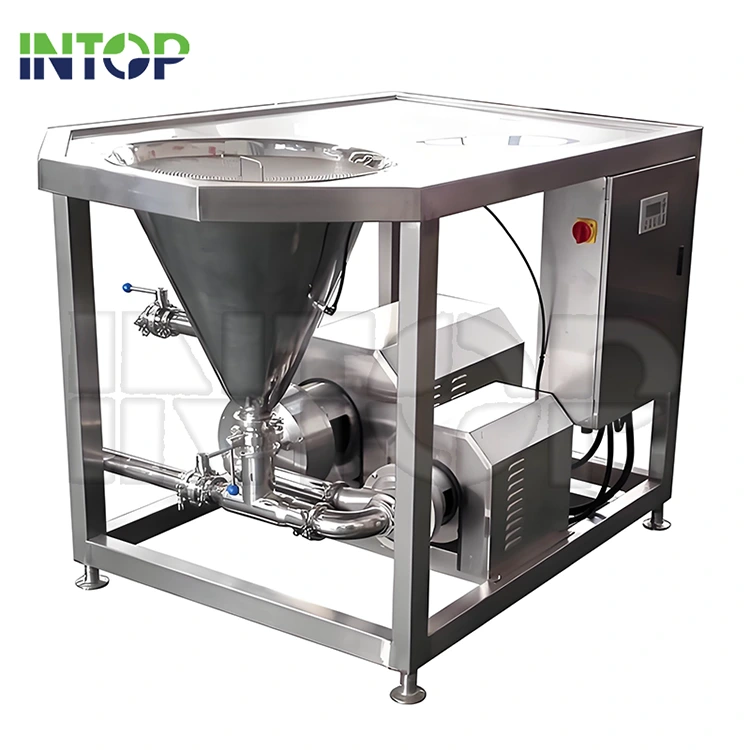
What Factors Should You Consider When Selecting Auxiliary Equipment?
Choosing auxiliary equipment requires careful evaluation of multiple factors. Our experience at Hubei Intop Machinery Co.,Ltd. indicates that overlooking these factors can lead to inefficiencies, higher costs, and workflow disruption. Below, we provide a comprehensive list to guide our clients in making informed decisions.
1. Production Volume and Capacity Requirements
Determine the production scale and the capacity required from the auxiliary equipment. Our factory assesses daily throughput to select equipment capable of meeting peak production demands.
2. Material Characteristics
Understanding the physical properties of materials—such as weight, size, fragility, and surface finish—is critical. Our auxiliary equipment is engineered to handle diverse materials without causing damage.
3. Workflow Compatibility
Evaluate how the auxiliary equipment integrates with your existing machinery. At our factory, we ensure that equipment layout and operation sequences align with production flow.
4. Automation Level
Assess whether manual, semi-automatic, or fully automated auxiliary equipment is suitable. Our auxiliary equipment ranges from simple mechanical conveyors to fully automated robotic handling systems.
5. Maintenance and Reliability
Equipment reliability directly affects production uptime. Our factory prioritizes auxiliary equipment that is durable, easy to maintain, and supported by readily available spare parts.
6. Energy Efficiency
Energy-efficient auxiliary equipment reduces operational costs. Our factory emphasizes selecting models that balance performance and power consumption.
7. Safety and Compliance
Ensure auxiliary equipment meets local safety standards and compliance regulations. Our auxiliary equipment is designed with protective mechanisms, emergency stops, and certified safety features.
Auxiliary Equipment Technical Parameter Table
| Equipment Type | Load Capacity | Speed | Power Supply | Dimensions | Material Handling |
| Conveyor System | 500kg | 0-20m/min | 380V 50Hz | 5000x800x1200mm | Bulk & Packaged Goods |
| Automatic Lifting Platform | 1000kg | 0-10m/min | 380V 50Hz | 2000x1500x2500mm | Pallets & Containers |
| Robotic Handling Arm | 200kg | Variable | 220V 50Hz | 1500x1500x2000mm | Precision Components |
How to Evaluate Technical Parameters of Auxiliary Equipment?
Technical parameters define the capabilities and limitations of auxiliary equipment. Our factory follows a structured approach to evaluating these parameters to ensure maximum performance and compatibility with production requirements.
Key Evaluation Steps
- Load Capacity Assessment: Match equipment capacity to the heaviest materials handled in your factory.
- Speed and Throughput: Calculate the required operational speed to maintain production flow.
- Power Consumption: Analyze energy requirements and compare with existing factory infrastructure.
- Footprint and Space Utilization: Ensure the equipment fits within your factory layout without obstructing operations.
- Integration with Control Systems: Evaluate compatibility with your existing automation or monitoring systems.
- Durability and Material Quality: Consider construction materials, wear resistance, and environmental suitability.
- Flexibility and Scalability: Assess whether the auxiliary equipment can adapt to changes in production volume or material types.
Our auxiliary equipment is designed with these technical parameters in mind, ensuring reliable performance in diverse industrial applications.
How Do You Integrate Auxiliary Equipment into Existing Workflow?
Integration of auxiliary equipment is a critical step that determines its effectiveness. At Hubei Intop Machinery Co.,Ltd., our engineers guide clients through precise workflow analysis, installation, and optimization procedures.
Integration Process
- Workflow Mapping: Analyze the existing production line to identify points where auxiliary equipment can improve efficiency.
- Equipment Positioning: Place the auxiliary equipment strategically to minimize material transport time and manual handling.
- Synchronization: Adjust equipment operation timing to align with upstream and downstream processes.
- Staff Training: Provide training to operators on proper usage, safety protocols, and maintenance routines.
- Testing and Optimization: Conduct trial runs, monitor performance, and make adjustments for maximum productivity.
- Continuous Improvement: Regularly evaluate auxiliary equipment performance and implement upgrades as needed.
Our factory supports customers throughout this process to ensure seamless integration and measurable productivity gains.
What Are Common Mistakes When Choosing Auxiliary Equipment?
Even experienced manufacturers can make errors when selecting auxiliary equipment. At Intop, we help clients avoid these common pitfalls:
- Ignoring Workflow Compatibility: Selecting equipment without considering production flow can cause bottlenecks.
- Overlooking Material Characteristics: Using incompatible equipment for fragile or heavy materials can lead to damage and downtime.
- Underestimating Maintenance Needs: Equipment that is difficult to maintain increases long-term costs.
- Focusing Only on Price: Choosing low-cost equipment without evaluating reliability or energy efficiency can reduce productivity.
- Neglecting Safety Standards: Unsafe equipment increases the risk of accidents and legal liabilities.
By addressing these mistakes, our auxiliary equipment helps factories achieve optimal performance and operational safety.
Frequently Asked Questions
How to Select Auxiliary Equipment That Fits Your Factory’s Workflow? – FAQ
Q1: How do I determine the correct load capacity for auxiliary equipment?
A1: Assess the heaviest items handled in your production line, consider peak load conditions, and choose equipment that exceeds the maximum required capacity to ensure durability and safety.
Q2: How do I ensure auxiliary equipment integrates smoothly with existing machinery?
A2: Conduct a detailed workflow analysis, map material movement, and select equipment that matches existing operational speeds, dimensions, and automation systems.
Q3: What maintenance practices are essential for auxiliary equipment?
A3: Implement routine inspections, lubrication schedules, component replacement plans, and operator training to maximize equipment lifespan and prevent unexpected downtime.
Q4: How do I evaluate energy efficiency in auxiliary equipment?
A4: Compare power consumption against output capacity, review energy-saving features, and select equipment that minimizes energy costs without compromising performance.
Q5: How can I adapt auxiliary equipment to handle different material types?
A5: Choose versatile equipment with adjustable settings, durable materials, and modular components that allow adaptation to varying material sizes, weights, and fragility.
Q6: How do I train staff to operate auxiliary equipment safely?
A6: Conduct structured training sessions, provide operation manuals, emphasize emergency procedures, and supervise initial usage to ensure safe and effective operation.
Q7: How do I prevent bottlenecks when integrating auxiliary equipment?
A7: Monitor workflow, adjust equipment timing, optimize placement, and ensure synchronization with upstream and downstream processes to maintain continuous production flow.
Q8: How can I select auxiliary equipment that improves overall product quality?
A8: Choose precision handling systems, consistent automation, and reliable monitoring features that reduce errors, maintain uniform processing, and enhance final product standards.
Conclusion
Selecting the right auxiliary equipment is a strategic decision that impacts efficiency, safety, and product quality. At Hubei Intop Machinery Co.,Ltd., our auxiliary equipment is engineered to integrate seamlessly with diverse factory workflows, providing reliable performance, easy maintenance, and measurable productivity improvements. By carefully evaluating capacity, material compatibility, workflow integration, and technical parameters, you can ensure optimal results for your production line. Explore our range of auxiliary equipment today and let our experts guide you in achieving a smarter, more efficient manufacturing process.
Contact our team now to discuss how we can support your factory’s workflow optimization needs.
Related News
- Tubular UHT Sterilizer Technology Advances Support the Growth of Aseptic Beverage Processing
- What Makes a Strawberry Juice Production Line Efficient, Safe, and Ready for Commercial Scale?
- Bottled Water Production Line: 10 Factors Before Investment
- How to Build a Juice Production Line That Handles Multiple Fruit Types
- What It Takes to Scale an Energy Drink Production Line for Global Demand
- How Does a Water Treatment System Work in a Beverage Production Line?
Leave me a message