English
- English
- Afrikaans
- беларускі
- Hrvatski
- lugha ya Kiswahili
- ქართული
- Кыргыз тили
- Монгол хэл
- IsiXhosa
- Somali
- O'zbek
- Hawaiian
- Հայերեն
- Español
- Português
- русский
- Français
- 日本語
- Deutsch
- tiếng Việt
- Italiano
- Nederlands
- ภาษาไทย
- Polski
- 한국어
- Svenska
- magyar
- Malay
- বাংলা ভাষার
- Dansk
- Suomi
- हिन्दी
- Pilipino
- Türkçe
- Gaeilge
- العربية
- Indonesia
- تمل
- ελληνικά
- український
- فارسی
- български
- ລາວ
- Latine
- Қазақша
- Azərbaycan
- Македонски
- Lietuvos
- Română
- Srpski језик

Why does an CIP system change how I keep equipment and pipelines safe and running?
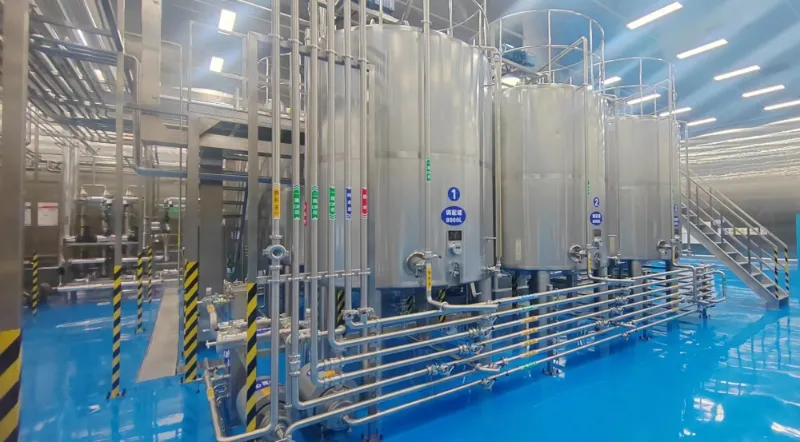
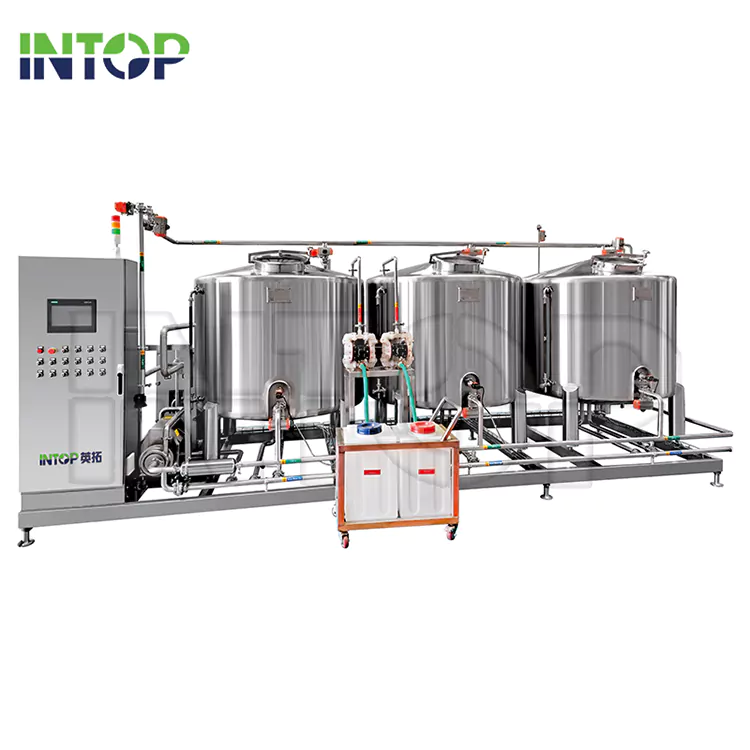
By the time the night shift called me about another sticky changeover and a surprise allergen hold, I knew we needed more than hoses and hope. I mapped our longest loop, timed every rinse, and then asked the process team from INTOP to walk the line with me. That’s where the upgrade clicked: an automatic, on-site cleaning CIP system that behaves like a dependable coworker—pushing true turbulent flow through tight elbows, metering chemistry by conductivity, reclaiming heat from the return to cut utilities, and writing tamper-proof records that QA can audit in minutes. The result is tangible: shorter changeovers that add a run to the schedule, cleaner internals that stop flavor carryover at the source, safer shifts because caustics stay closed-loop, and predictable costs I can defend in a budget meeting. With the right CIP system, I stopped firefighting and started scheduling.
What problems was I trying to solve
- Inconsistent results from manual washes that left blind spots and created rework
- High chemical and water use with no clear baseline
- Quality holds after flavor or product changeovers across long pipelines
- Operator exposure to hot liquids and caustics during open cleaning
- Energy waste from heating fresh water every cycle
An automatic CIP system addressed each point with defined recipes, closed loops, and verified end points.
How does an automatic CIP system actually work on my lines
- Pre rinse pushes out product with measured flow and turbulence so soils are removed instead of smeared
- Alkaline wash circulates at target temperature and conductivity until the return meets the setpoint
- Intermediate rinse confirms no carryover before acid or sanitizer steps
- Acid wash removes mineral films that steal heat transfer and harbor microbes
- Final rinse and optional sanitizer step leave lines ready for production with electronic records
Because the CIP system controls time, temperature, concentration, and flow, results are repeatable across shifts and product types.
Which metrics proved the upgrade was worth it
| Key metric | Before | After automated CIP system | What it means on the floor |
|---|---|---|---|
| Average changeover time | 3.2 hours | 1.9 hours | One extra short run per shift |
| Water per cycle | 6.1 m³ | 3.7 m³ | Lower utility spend and fewer wastewater surges |
| Caustic concentration variance | Manual mixing with swings | Conductivity controlled | Stable cleaning strength and less residue risk |
| Nonconformances after changeover | Occasional flavor carryover | Near zero with recipe discipline | Fewer holds and write offs |
| Operator exposure to hot chemistry | Open handling | Closed loop | Safer work and easier training |
What configuration options fit different plants
- Single tank skids for compact lines that need straightforward cycles
- Two and three tank skids to recover rinse water and reduce heat load
- Modular skids with heat recovery for plants chasing utility efficiency
- Mobile skids for seasonal or auxiliary circuits that do not justify a fixed install
- Dedicated return pumps and air break design for hygienic separation
Working with INTOP, I sized the CIP system to my longest loop and tightest production window rather than buying capacity I would never use.
How do I size a CIP system without overpaying
- Map the longest and most restrictive circuit to define required flow and velocity
- Calculate tank volumes from actual step times, not rules of thumb
- Use conductivity and temperature profiles to set end points instead of fixed timers
- Select heat exchangers that reach setpoint fast but do not overshoot
- Plan for future loops with spare ports rather than oversizing tanks
What about validation and compliance
- Automated records show who ran which recipe and whether limits were met
- Sanitary design with drainability and no dead legs supports hygienic standards
- Calibration routines keep sensors honest so the CIP system stays audit ready
Where did INTOP help me reduce hidden costs
- Recipe library that matches soils and materials so I do not overtreat easy jobs
- Heat recovery that pre warms incoming rinse using hot return streams
- Variable speed pumps that hold target turbulence with lower kWh
- Inline conductivity and flow verification so cycles end on data, not guesswork
- Open PLC options that integrate with my historian without bolt on gateways
With these choices the CIP system paid back through saved utilities, reduced rework, and faster line starts.
What mistakes should I avoid when deploying a CIP system
- Copying another site’s recipe without checking soil load and metallurgy
- Skipping return flow verification which leaves quiet dead spots
- Undersizing drains so tanks cannot turn over fast enough between steps
- Neglecting operator screens and training which leads to workarounds
- Forgetting spare I O for future loops and new valves
Which industries see quick wins
- Dairy and plant beverages moving between allergen profiles
- Brewery and soft drinks with strict flavor cross contact limits
- Pharma and personal care where batch records drive release
- Condiments and sauces with sticky, heat set residues in long pipelines
In each case a well tuned CIP system replaces variability with documented control.
How do we move from talk to results
If you want the same step change I saw, start with a single pilot loop and let data decide the next move. Share your line map, target soils, and production windows. I will review options with the INTOP engineering team and propose a right sized path that respects your budget and utilities. If you are ready, contact us to book a process walkdown, request a sample recipe set, or send a quick inquiry so we can tailor an automatic on site cleaning CIP system to your equipment and pipeline cleaning needs.
Related News
- Tubular UHT Sterilizer Technology Advances Support the Growth of Aseptic Beverage Processing
- What Makes a Strawberry Juice Production Line Efficient, Safe, and Ready for Commercial Scale?
- Bottled Water Production Line: 10 Factors Before Investment
- How to Build a Juice Production Line That Handles Multiple Fruit Types
- What It Takes to Scale an Energy Drink Production Line for Global Demand
- How Does a Water Treatment System Work in a Beverage Production Line?
Leave me a message