English
- English
- Afrikaans
- беларускі
- Hrvatski
- lugha ya Kiswahili
- ქართული
- Кыргыз тили
- Монгол хэл
- IsiXhosa
- Somali
- O'zbek
- Hawaiian
- Հայերեն
- Español
- Português
- русский
- Français
- 日本語
- Deutsch
- tiếng Việt
- Italiano
- Nederlands
- ภาษาไทย
- Polski
- 한국어
- Svenska
- magyar
- Malay
- বাংলা ভাষার
- Dansk
- Suomi
- हिन्दी
- Pilipino
- Türkçe
- Gaeilge
- العربية
- Indonesia
- تمل
- ελληνικά
- український
- فارسی
- български
- ລາວ
- Latine
- Қазақша
- Azərbaycan
- Македонски
- Lietuvos
- Română
- Srpski језик
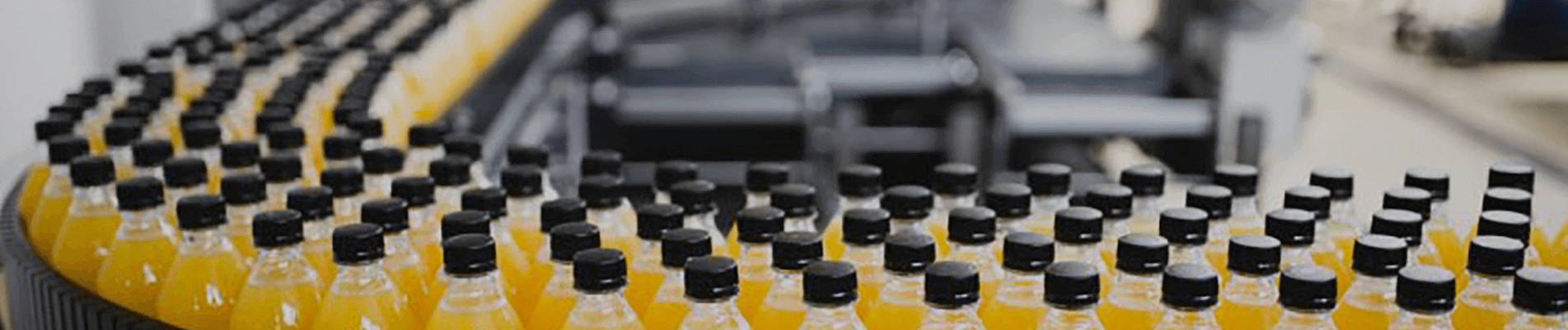
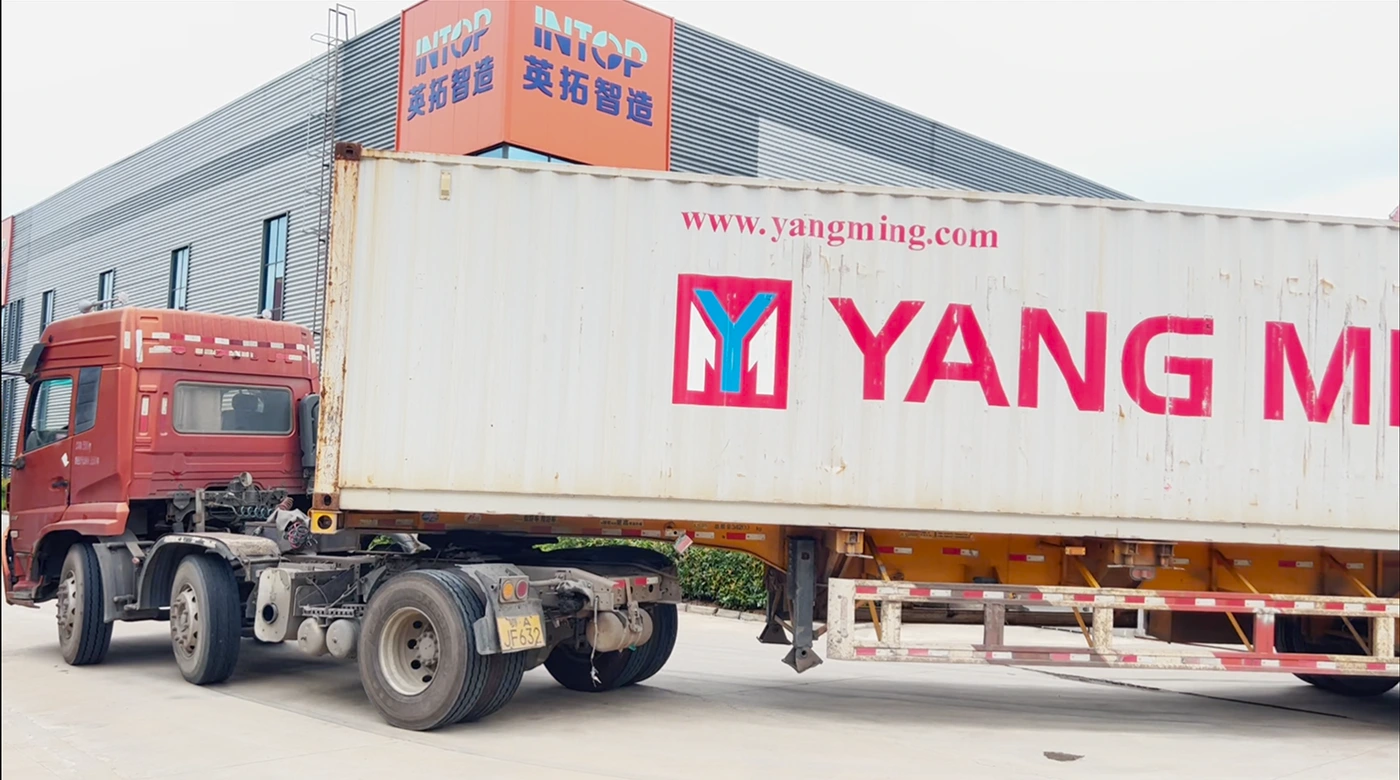
Intop made a milk and yogurt production line for a customer in Vietnam
The project's background
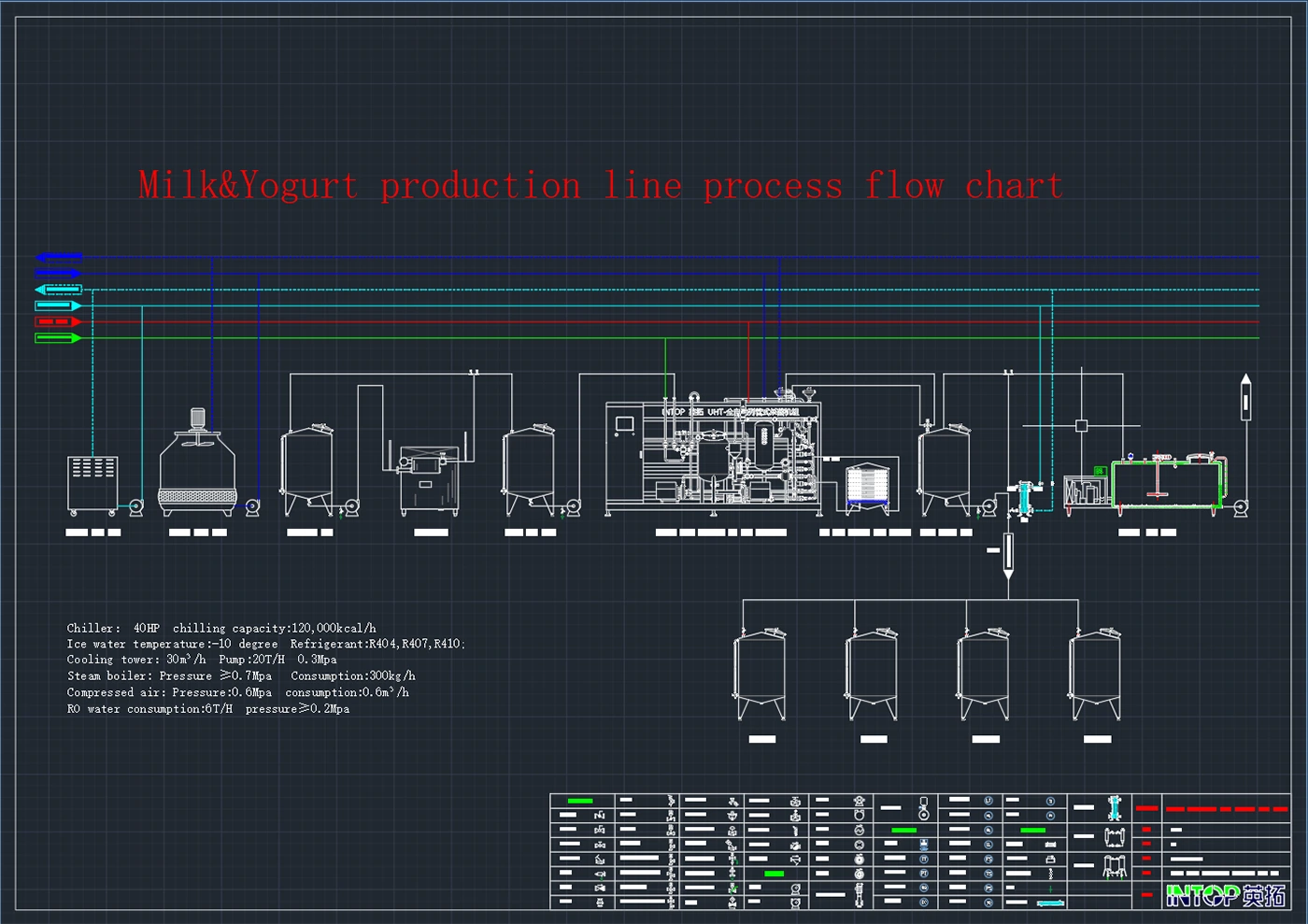
A Vietnamese dairy company hired a company to build a 2 t/h milk and yogurt line. The line had to receive raw milk, homogenize it, pasteurize it, add ingredients, ferment the yogurt, cool it, fill it, and package it. Food safety standards must be met, there must be a lot of automation, it must be easy to clean and maintain, and it must be able to handle changes in local power and raw milk. Intop helped with process design, supplying equipment, installing it, getting it up and running, training, and support after the sale.
Tools and answers
1. Getting raw milk and getting it ready
Cooling and buffer tanks with temperature control and level monitoring, as well as online filtration and debris removal, make sure that the feed into downstream units is stable and clean.
2. Heating and mixing
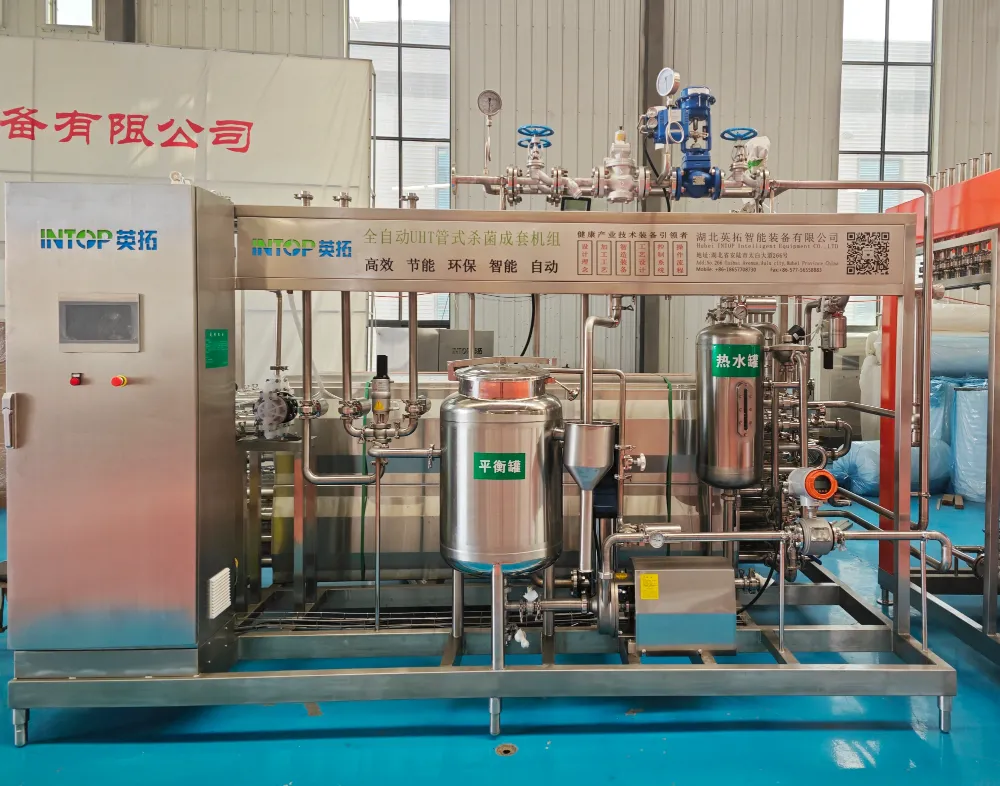
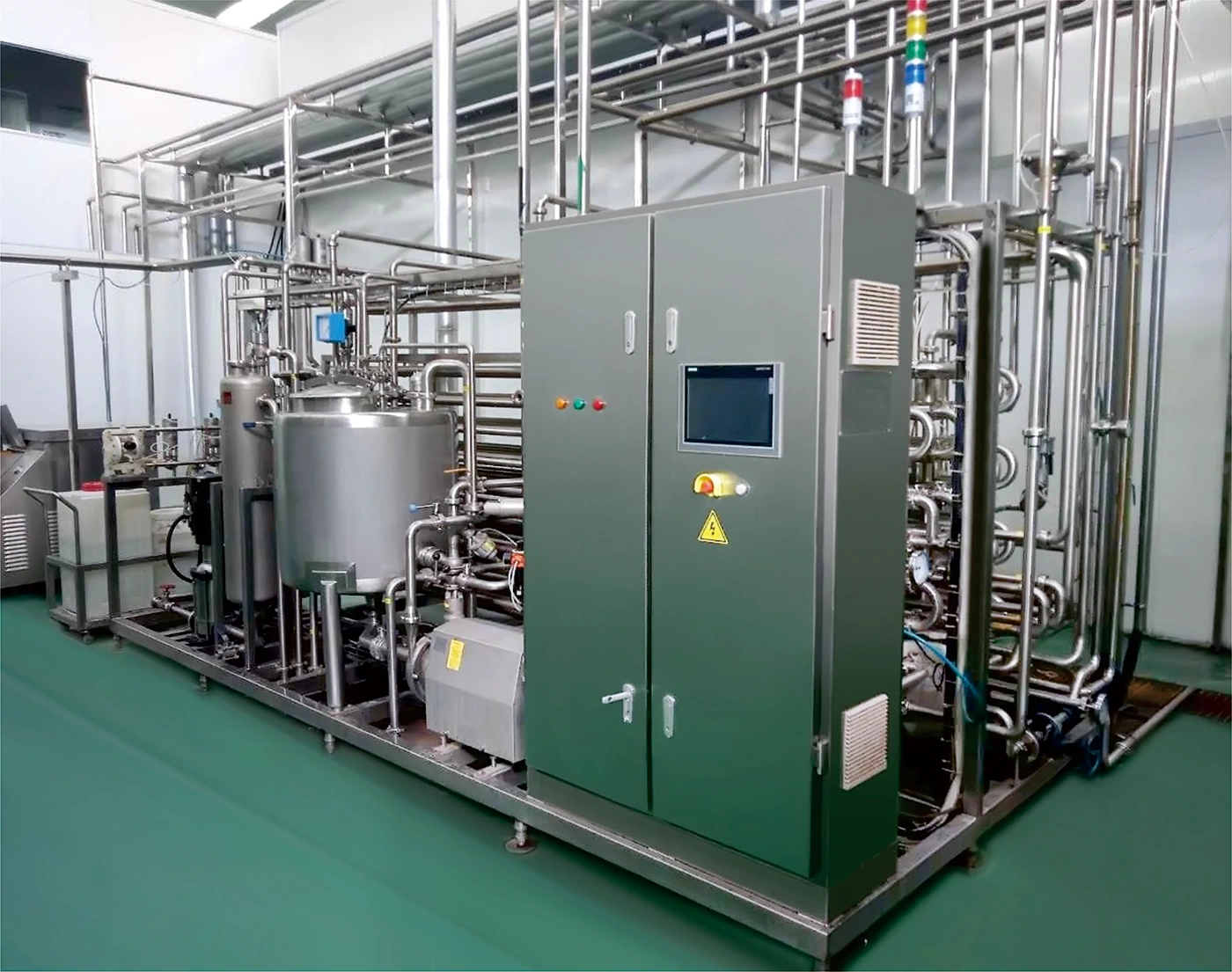
A high-pressure tubular homogenizer (with one or two stages) and a tubular pasteurizer with a temperature and hold time that can be changed are both available. Automatic CIP, precise temperature control, and data logging to make sure the fat is evenly spread out, the mouthfeel is smooth, the microbes are safe, and the nutrients are kept.
3. Mixing the ingredients (yogurt) and measuring them out
Jacketed insulated mixing tanks that can weigh and feed materials on their own, as well as high-speed emulsifying and homogenizing tanks for sugar, fruit puree, stabilizers, and starter cultures. Online sampling and temperature control help keep the product safe from bacteria and make sure it stays the same.
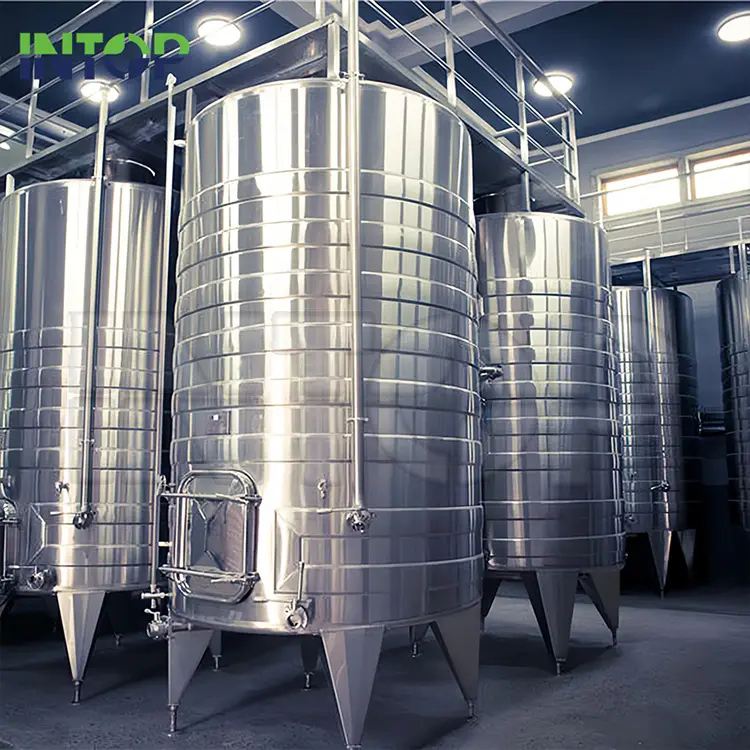
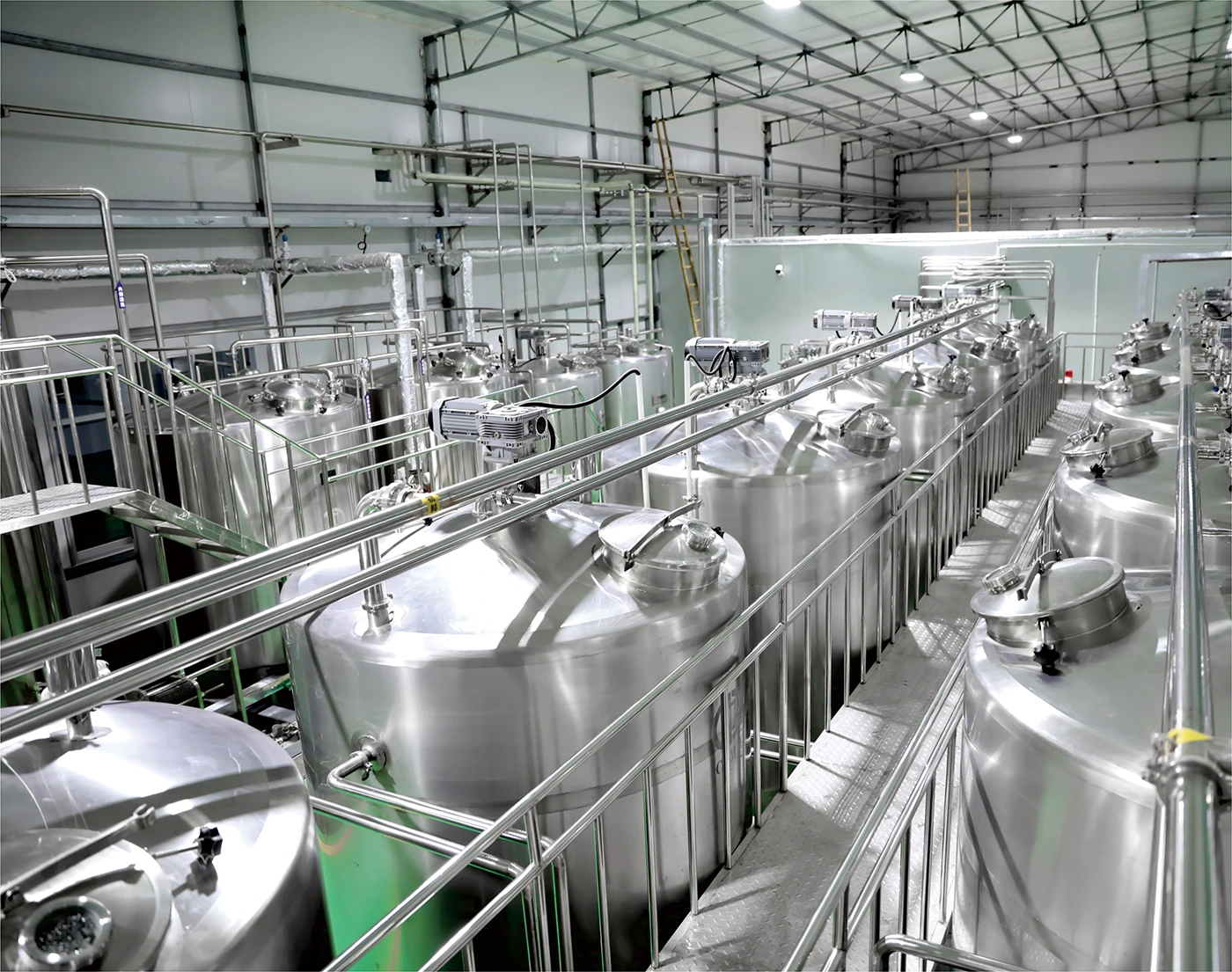
4. Fermentation and storage (yogurt) Fermentation tanks that can control temperature, agitation, and gradient, as well as cooling coils or heat exchangers that are outside the tank. Process monitoring keeps track of the temperature and pH curves and lets you change the recipes to get different tastes and textures.
5. After cooling, conditioning, and treatment
Plate or tubular heat exchangers quickly cool things down to the filling temperature. After homogenization or conditioning, optional steps change the texture of milk, stirred yogurt, or drinking yogurt so that they can be drunk.
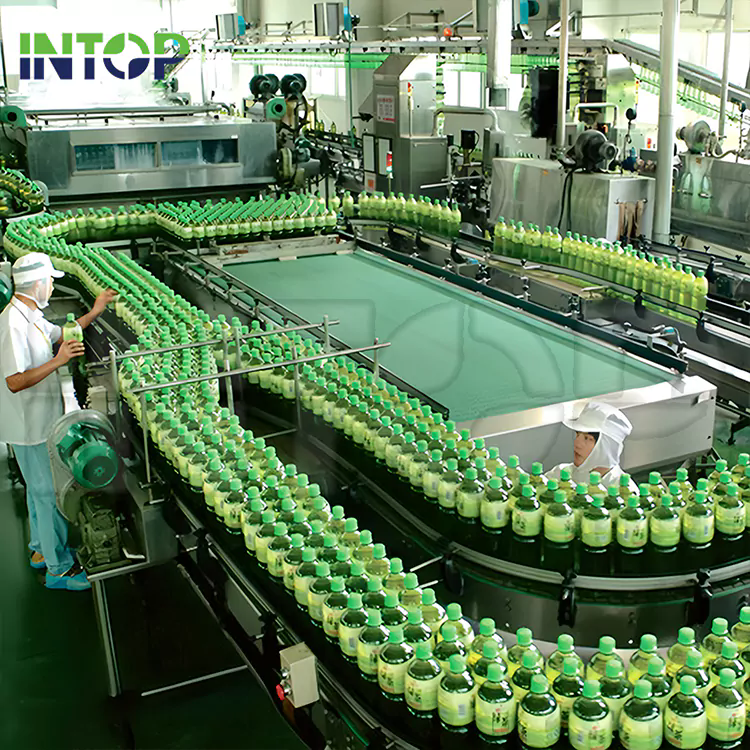
6. Filling and putting together aseptic or ambient fillers (three-in-one or continuous) with capping, heat-shrink, or carton modules, as well as inline laser coding and labeling. Conveyors and bundling machines can quickly change molds and handle a lot of different kinds of packages.
7. Automation and utilities
Wastewater that hasn't been treated, clean water, steam, cold air, and compressed air. You can use PLC and SCADA controls to change recipes, keep track of them, watch them from a distance, set off alarms, and keep maintenance logs.
Putting into action and starting up Intop sent a project manager and an engineering team to install the pipes and wiring in a way that met GMP and HACCP standards. We put the systems in place one at a time: the reception, the homogenizer, the pasteurizer, the mixing, the fermentation, and the filling systems.
Teaching and giving over
The hands-on training program lasted from 5 to 7 days and taught people how to start and stop work every day, CIP, control pasteurization and fermentation, deal with microbiological problems, troubleshoot, and change spare parts. Thanks to hands-on tests, the local team could run and take care of things on their own.
Help and goals after the sale
You can get technical help any time of day or night, scheduled inspections every three or six months, a one-year warranty on core parts, and a list of recommended spare parts. Goals: a steady flow of about 2 tons per hour, meeting national standards for microbiological and nutritional quality, more automation, less work, and better product consistency and yield.
Results and value
After delivery, the client reached the planned capacity, and the product's quality and the yogurt fermentation's consistency got a lot better. Automation and a clean design made food safety safer and cheaper to hire people. Adding to the line and changing recipes is easy, which means that more products can be made and the market can grow.