English
- English
- Afrikaans
- беларускі
- Hrvatski
- lugha ya Kiswahili
- ქართული
- Кыргыз тили
- Монгол хэл
- IsiXhosa
- Somali
- O'zbek
- Hawaiian
- Հայերեն
- Español
- Português
- русский
- Français
- 日本語
- Deutsch
- tiếng Việt
- Italiano
- Nederlands
- ภาษาไทย
- Polski
- 한국어
- Svenska
- magyar
- Malay
- বাংলা ভাষার
- Dansk
- Suomi
- हिन्दी
- Pilipino
- Türkçe
- Gaeilge
- العربية
- Indonesia
- تمل
- ελληνικά
- український
- فارسی
- български
- ລາວ
- Latine
- Қазақша
- Azərbaycan
- Македонски
- Lietuvos
- Română
- Srpski језик
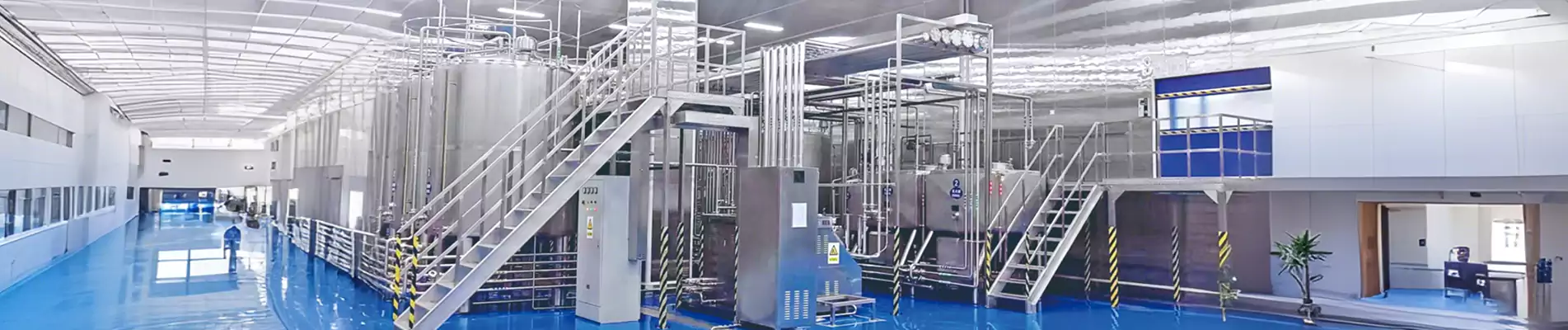


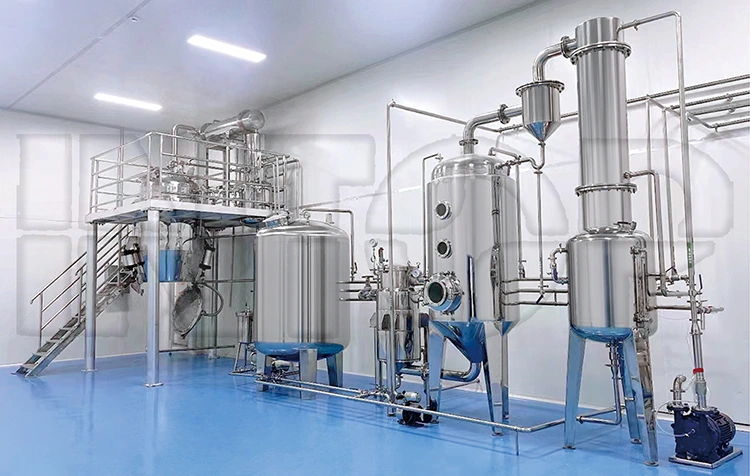
Kiwi Juice Production Line
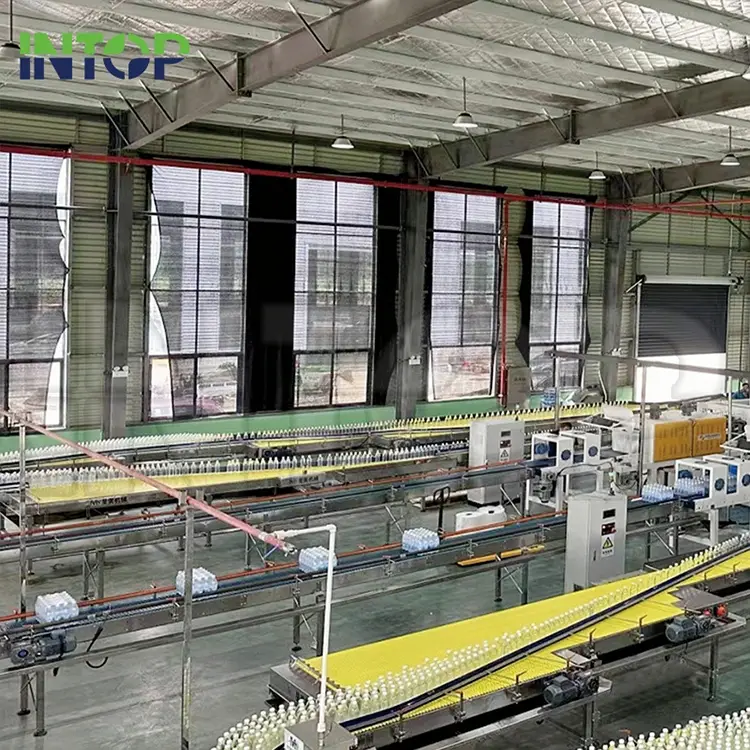
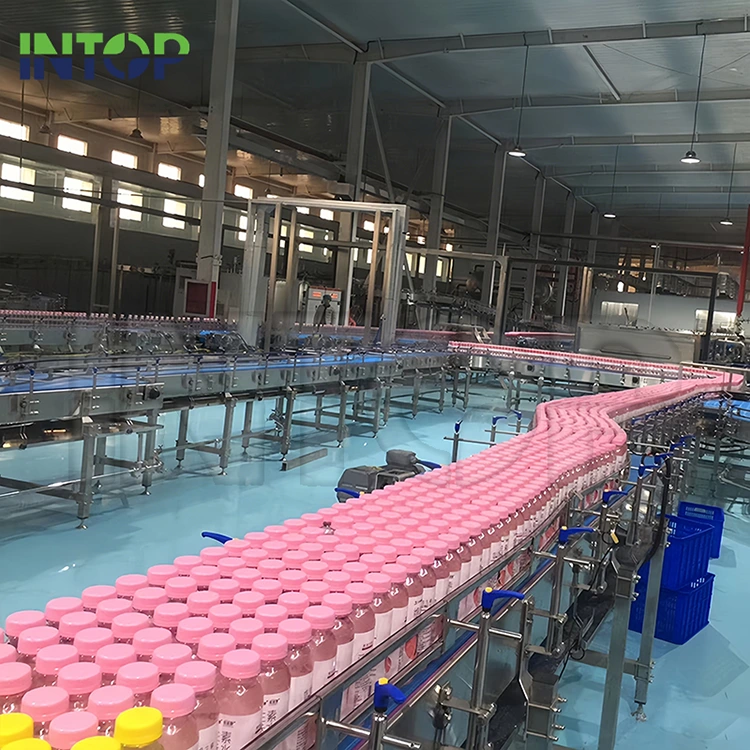
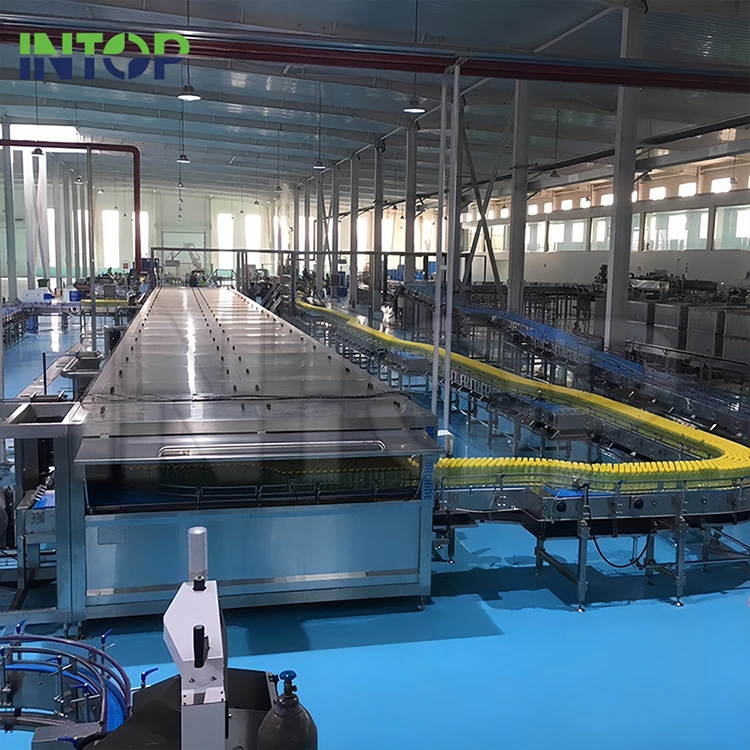
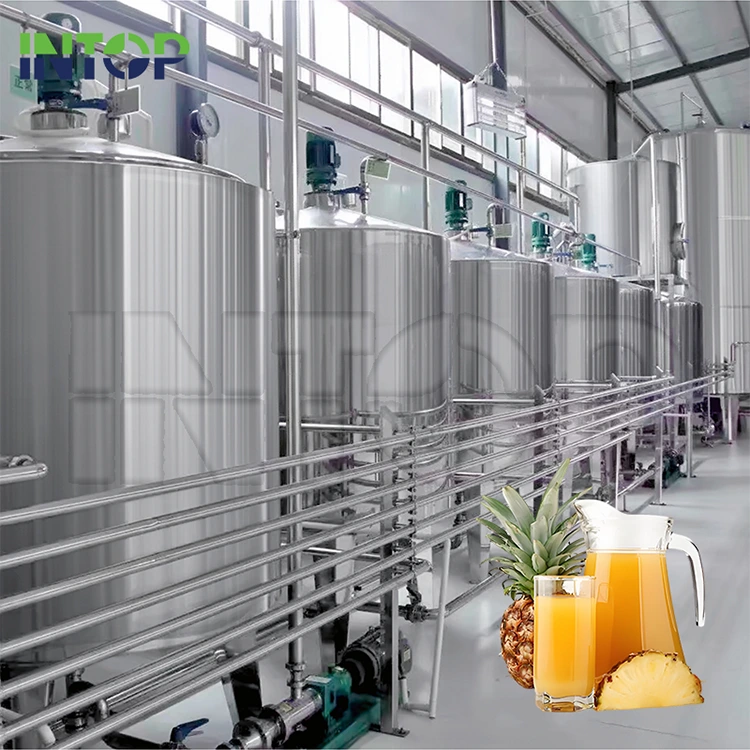
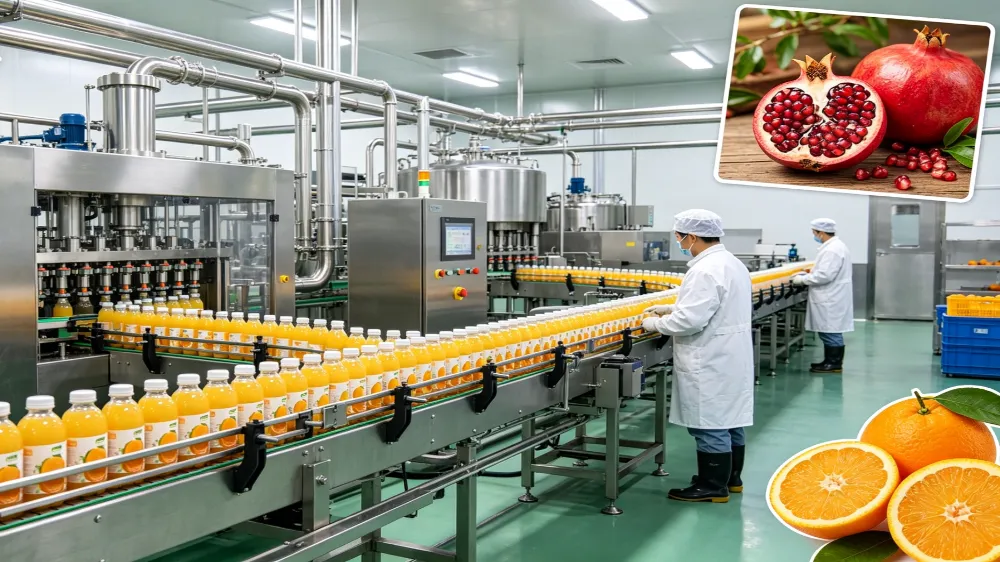
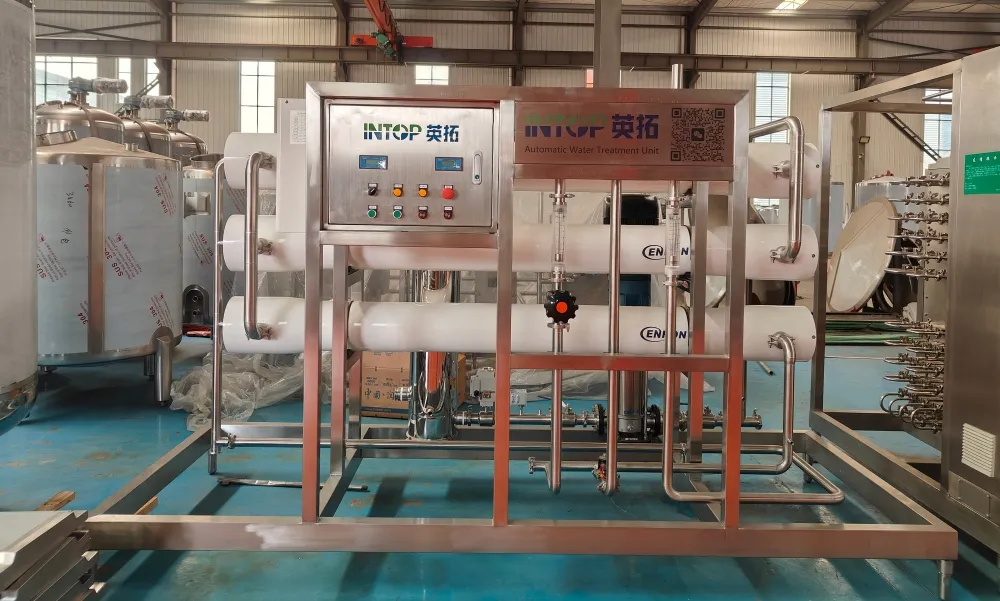
Intop is a Chinese supplier of beverage machinery. We can, based on your process of kiwi juice, choose the machine and design the layout drawing of the kiwi juice production line.
Related Equipment and Processes for Kiwi Juice Production Line
Selecting Fruit → Peeling → Pulping → Enzyme Inactivation → Mixing → Homogenization&Degassing → Filling → Sterilization → Cooling → Finished Product.
1. Selecting Fruit: You can ripen the fruit you picked by putting it in ethylene or stacking it for five days. Choose regular kiwis that are a little soft as the main ingredient. When you wash the fruit, make sure to get rid of all the fuzz, especially on the top and the calyx.
2. Peeling: Kiwi fruit has a lot of fuzz on the outside, so you need to peel it before juicing to keep the fuzz from ruining the quality. You can peel in a lot of different ways, like with chemicals, machines, or your hands. For industrial use, alkali peeling is the best way to go. A 5% sodium hydroxide solution, 0.48% lauric acid, and 0.8% potassium pyrophosphate at 95°C for about 3 minutes is a common way to get the best peeling results.
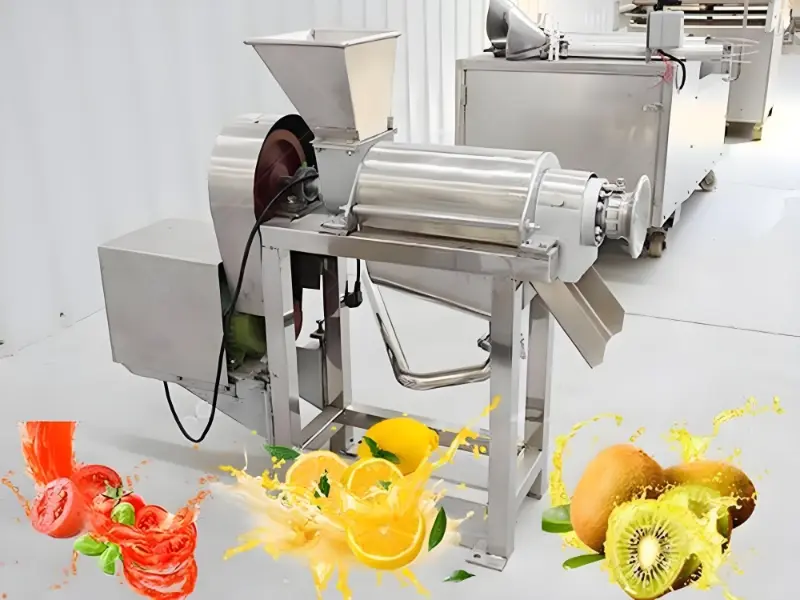
3. Pulping: A three-stage pulping machine does the pulping. It can also remove the seeds and skin. The mesh size of the pulping machine should be right so that seeds don't get mixed in with the pulp.
4. Heat Treatment to Kill Enzymes: The mixture is heated to 90°C for 5 minutes using a plate heat exchanger. This is a good way to keep the taste and color of the juice.
5. Mixing: Other flavoring agents are added to the enzyme-inactivated kiwi juice to get the right flavor.
6. Homogenization and Degassing: A vacuum degassing machine mixes the two parts together at a pressure of 20 MPa and a temperature of 40°C. After that, it is degassed at a vacuum of 93.3 KPa. The juice drink is vacuum-degassed, which means that less air gets into it and the flavor compounds don't turn brown.
7. Filling, Sterilization, and Cooling: After degassing, quickly heat the mixture to over 96°C and start filling it. The filling temperature should stay above 88°C. After that, put the bottles upside down in a sterilization pot at 100°C for 20 minutes to kill any germs. Then, cool them down to 35°C quickly to see how well they keep their heat.
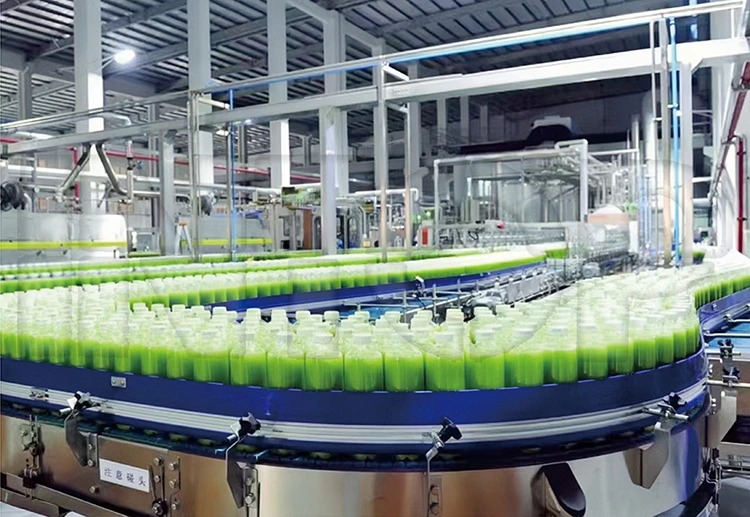
Related Equipment and Processes for Concentrated Kiwi Juice Production Line
Kiwi Juice → Sterilization → Concentration → Cooling → Filling → Sealing → Packaging → Finished Product.
1.Sterilization: After the kiwi juice has been clarified, it may still have microorganisms in it. A thin plate heat exchanger is used to kill germs at 90°C for 30 seconds. It is important to clean the juice before concentrating it. When the juice is concentrated, it may turn brown if it is sterilized afterward. This will make the juice taste worse.
2.Concentration: There are three main methods for this: vacuum concentration, freeze concentration, and reverse osmosis concentration. Choose the right method based on what you really need.
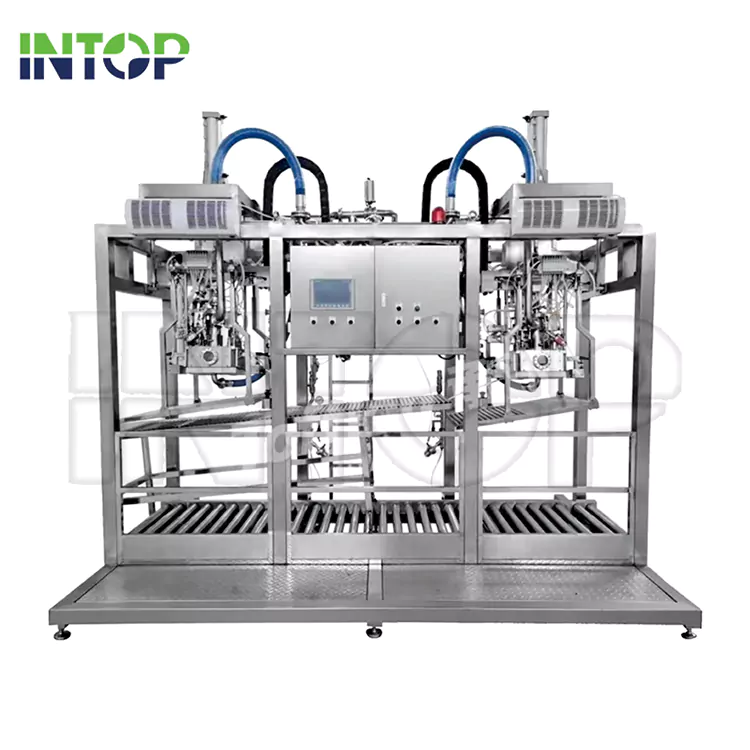
3.Filling: You can fill containers made of glass, plastic, and other materials. To make sure they are clean and sterile, containers must be cleaned and sterilized before use.
4.Finished Product: When making the product, you should try to keep kiwi concentrated juice from coming into contact with air as much as possible. The juice shouldn't touch metal tools because metal ions can damage things like Vitamin C. This would make the final product worse.
Hot Tags: Kiwi Juice Production Line
Send Inquiry
Contact Info
-
Address
No. 266 Taibai Avenue, Huamei Intelligent Manufacturing Industrial New City, Zone A, Anlu City, Hubei Province, China
-
Tel
-
Email
For inquiries about Production Line, Juicing Machine and Water Treatment System or price list, please leave your email to us and we will be in touch within 24 hours.