English
- English
- Afrikaans
- беларускі
- Hrvatski
- lugha ya Kiswahili
- ქართული
- Кыргыз тили
- Монгол хэл
- IsiXhosa
- Somali
- O'zbek
- Hawaiian
- Հայերեն
- Español
- Português
- русский
- Français
- 日本語
- Deutsch
- tiếng Việt
- Italiano
- Nederlands
- ภาษาไทย
- Polski
- 한국어
- Svenska
- magyar
- Malay
- বাংলা ভাষার
- Dansk
- Suomi
- हिन्दी
- Pilipino
- Türkçe
- Gaeilge
- العربية
- Indonesia
- تمل
- ελληνικά
- український
- فارسی
- български
- ລາວ
- Latine
- Қазақша
- Azərbaycan
- Македонски
- Lietuvos
- Română
- Srpski језик

How Does a Coconut Water Production Line Work?
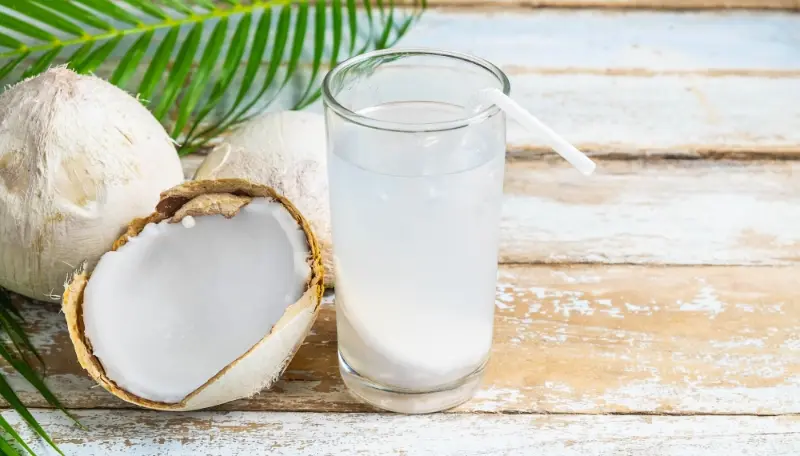
Coconut water has long since moved beyond the stage of a mere "health trend" to become a mainstream beverage category, commanding significant shelf space in markets across Southeast Asia, East Africa, and the Middle East. The equipment for coconut water production line is more specialized and unique than most buyers initially anticipated.
Why It's Not Just Another Juice Production Line
Raw coconut water oxidizes fast, picks up off-flavors easily, and has a pH (typically 4.7–5.2) that doesn't respond well to standard juice line parameters. The gap between cracking the coconut and the first heat treatment needs to be short — ideally under 30 minutes at ambient temperature, shorter in hot climates. Miss that window and the product turns pink or amber before it ever reaches a bottle.
Low acidity also means standard hot fill temperatures aren't always sufficient for ambient shelf stability. And high potassium content affects flavor when heat is applied incorrectly. These aren't insurmountable problems, but they do mean the line configuration depends on intended shelf life, target market, and packaging format — not just capacity.
The Core Processing Steps
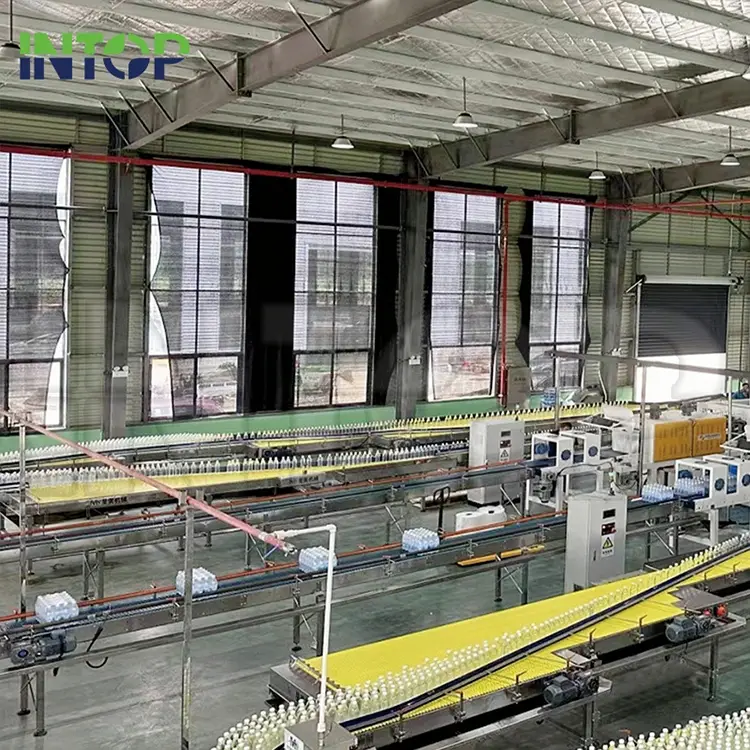
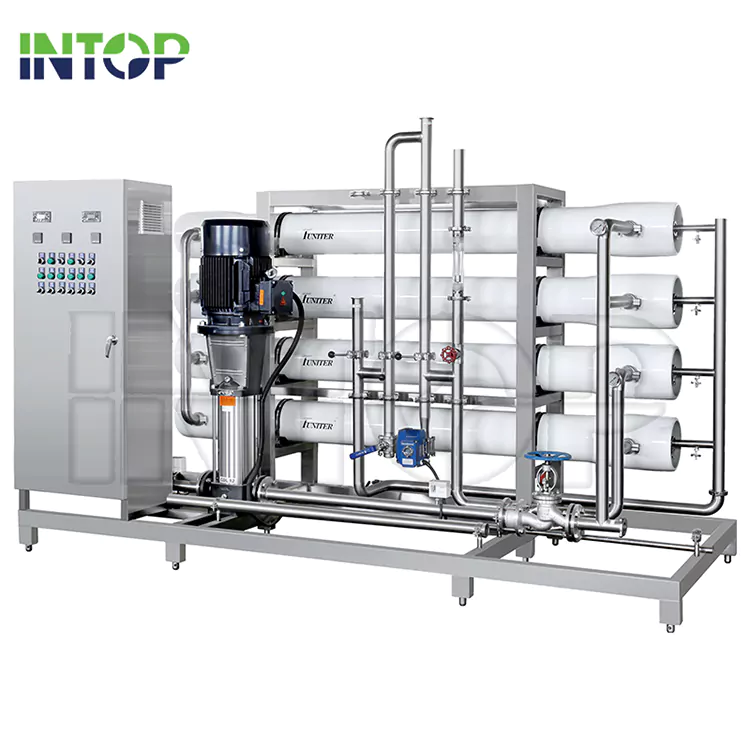
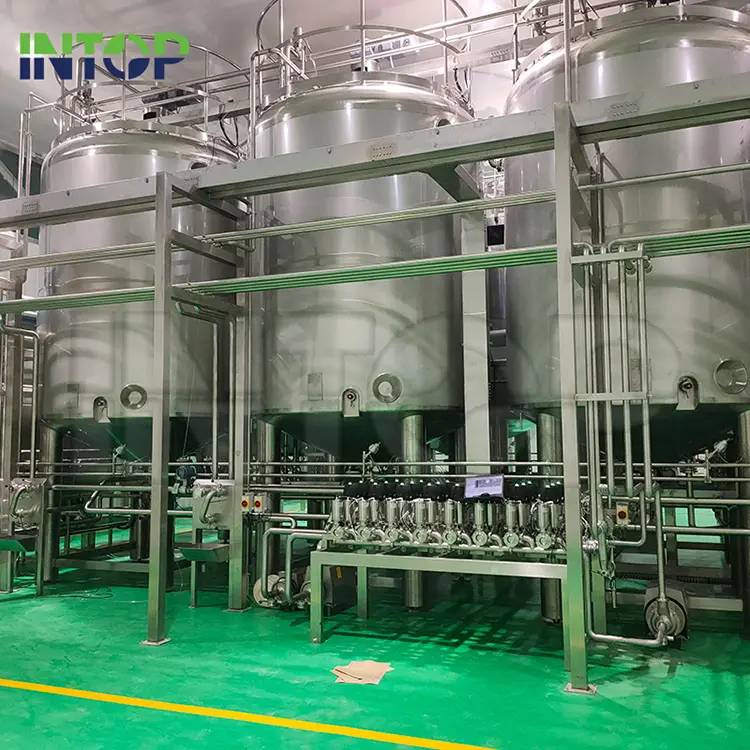
Whole or pre-husked coconuts go through a husking and washing station first, then mechanical cracking to extract the water into a collection tank. From there: multi-stage filtration (coarse mesh, then fine filter down to 50–100 micron) to remove pulp and fiber. Some lines add a deaeration step here to reduce dissolved oxygen — it makes a real difference to color stability downstream.
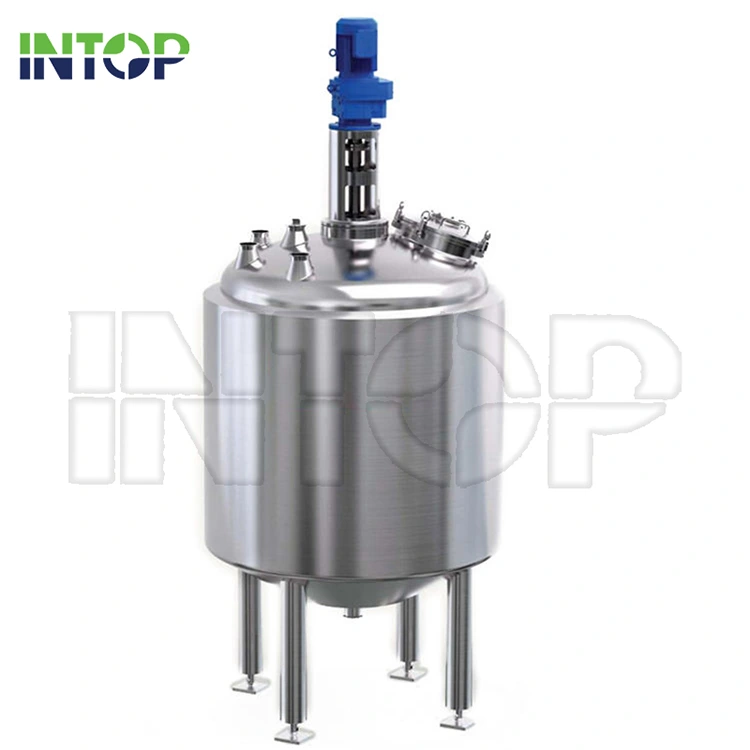
A blending/standardization tank follows, where operators adjust Brix and add permitted ingredients (vitamin C as antioxidant, natural flavors) before sterilization.
Sterilization is where most of the technical decisions land:
For ambient shelf life of 6–12 months, UHT (121–135°C, 4–30 seconds) combined with aseptic filling is standard. For refrigerated products with 2–4 week shelf life, HTST pasteurization at 85–95°C is gentler on flavor and lower cost — but requires cold chain throughout.
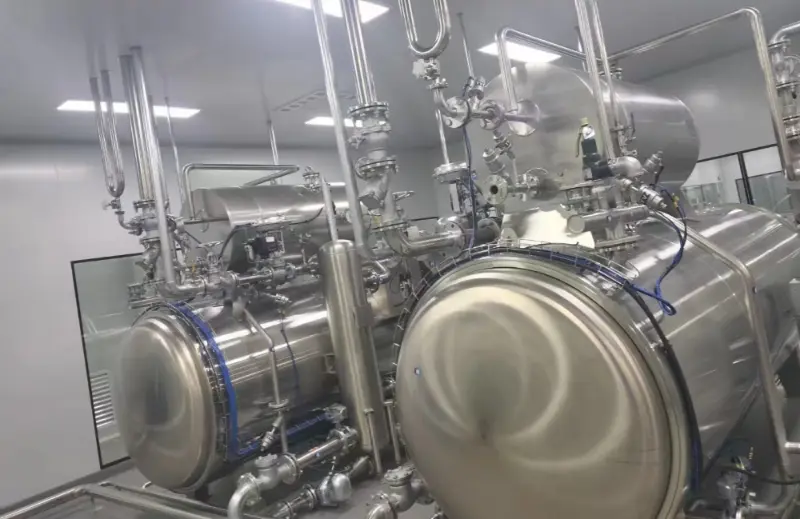
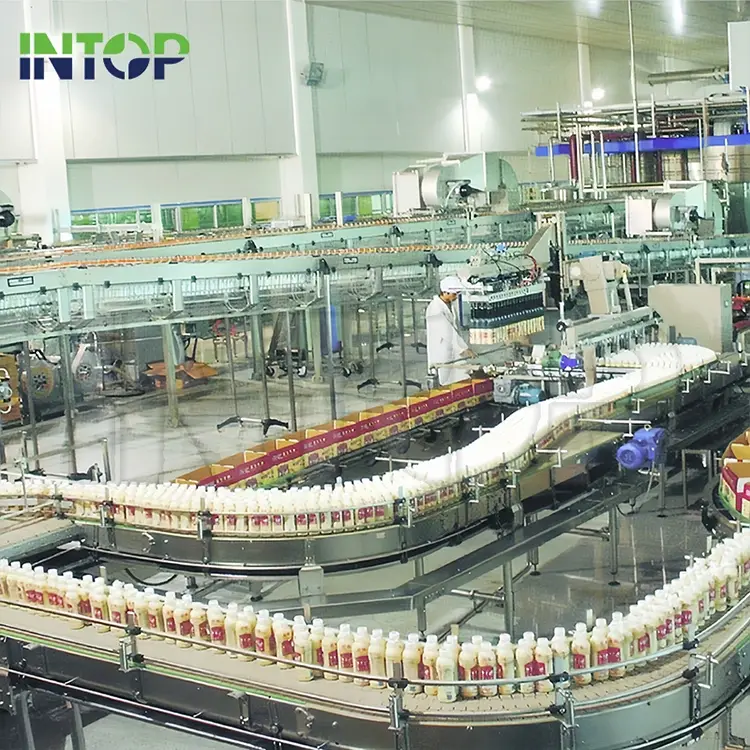
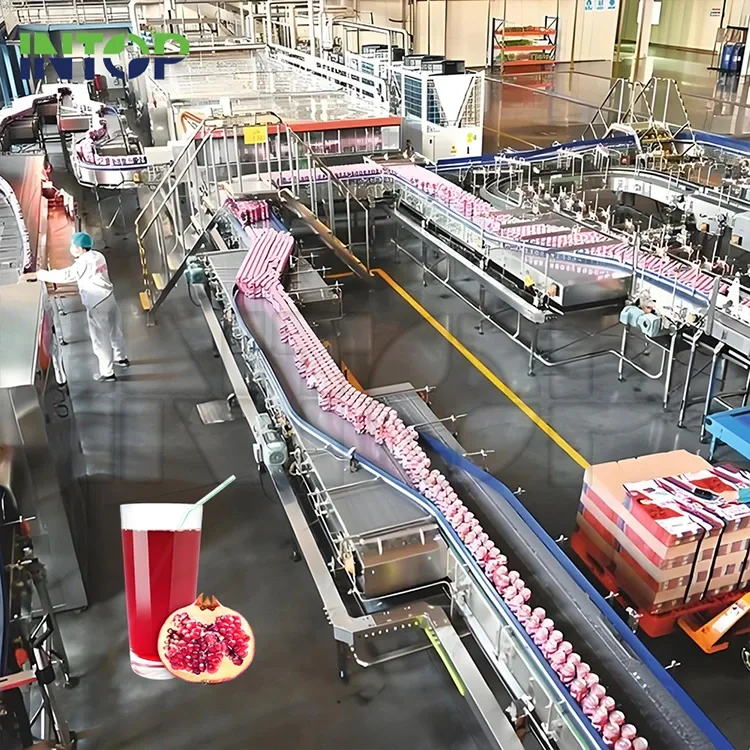
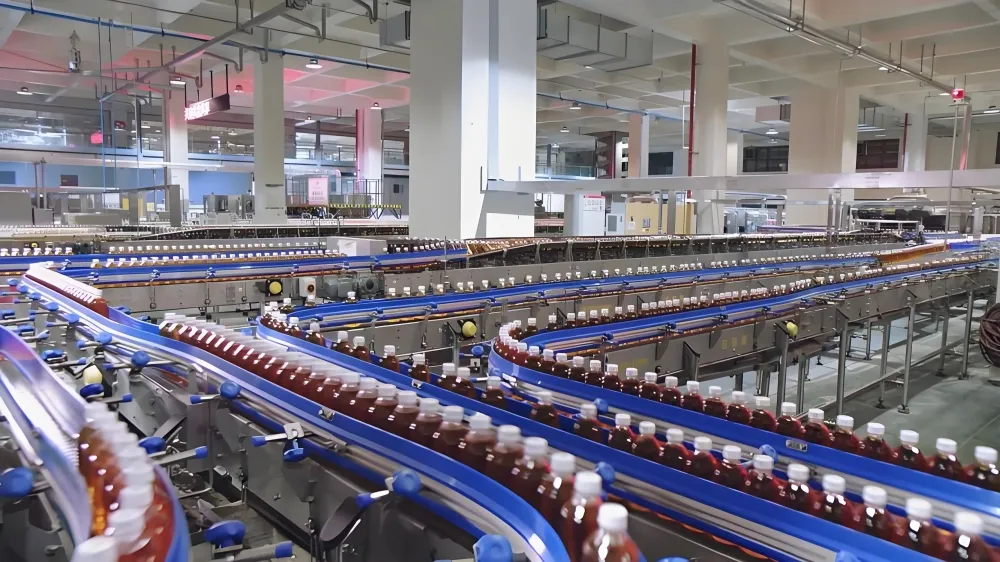
Filling format then defines a significant portion of the line investment: PET bottle, Tetra Pak-style carton, can, or stand-up pouch. Each has different equipment requirements and different implications for shelf life and target market perception.
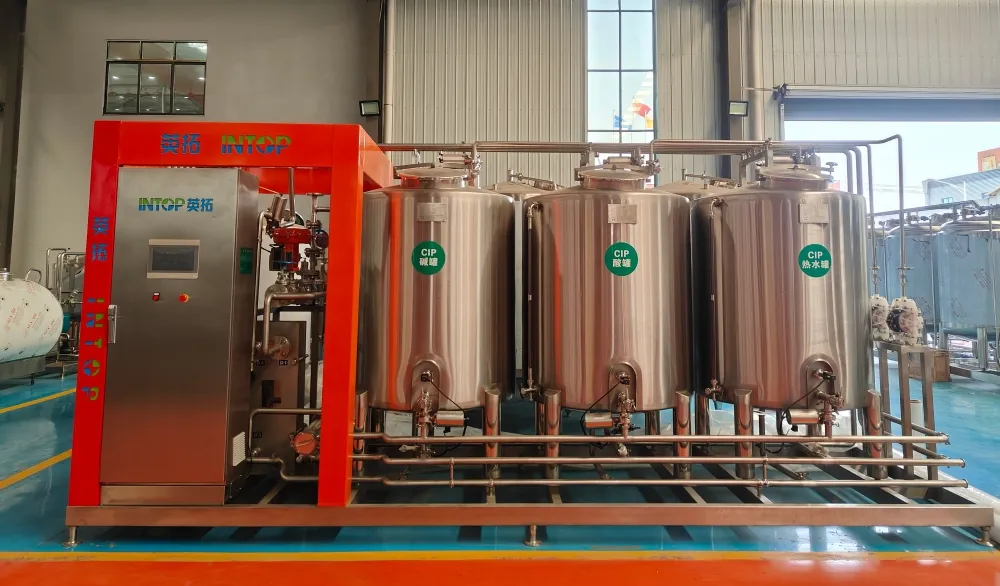
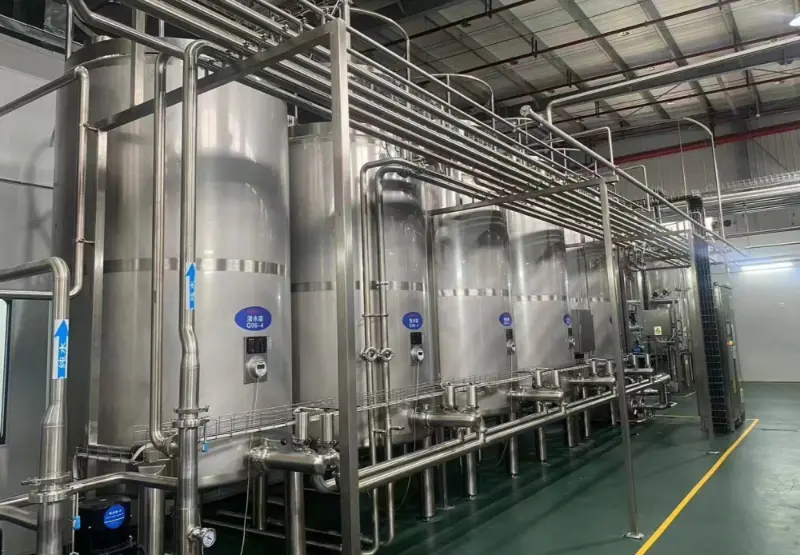
CIP runs after every production cycle. Coconut water's sugar and protein content makes this non-negotiable — the most common reason facilities see microbial count creep after a few months is cutting corners on cleaning frequency or cycle parameters.
Common Problems in the Field
Pink discoloration: almost always oxidation that wasn't arrested fast enough — either the pre-treatment line is too slow or the deaeration step is missing.
Off-flavor or caramelized taste: over-processing. UHT parameters calibrated for fruit juice will damage coconut water's light, sweet character.
Short shelf life despite correct sterilization: usually a filling environment issue — any compromise in the aseptic sterile zone or cap sterilization introduces post-process contamination.
Inconsistent Brix between batches: coconuts at different maturity stages have meaningfully different sugar content. Without inline measurement and a standardization step, batch-to-batch consistency is hard to control.
Before You Spec a Line
Four questions that determine most of the configuration: What's your target shelf life and distribution model? What packaging format are you committing to? Is your raw material supply consistent year-round, or does seasonal variance matter? Are you running coconut water only, or do you need multi-product flexibility?
Intop machinery has configured coconut water production lines for clients in Southeast Asia and West Africa, ranging from 1,000 L/h pilot-scale to 10,000+ L/h industrial output. If you're at the planning stage, a process flow review before the equipment quotation is usually the most useful starting point.
Related News
- What Makes a Strawberry Juice Production Line Efficient, Safe, and Ready for Commercial Scale?
- Bottled Water Production Line: 10 Factors Before Investment
- How to Build a Juice Production Line That Handles Multiple Fruit Types
- What It Takes to Scale an Energy Drink Production Line for Global Demand
- How Does a Water Treatment System Work in a Beverage Production Line?
- How to Choose a CIP System for Multi-Product Beverage Production Lines
Leave me a message