News

The process flow of the juice production line

2025-10-10 0 Leave me a message

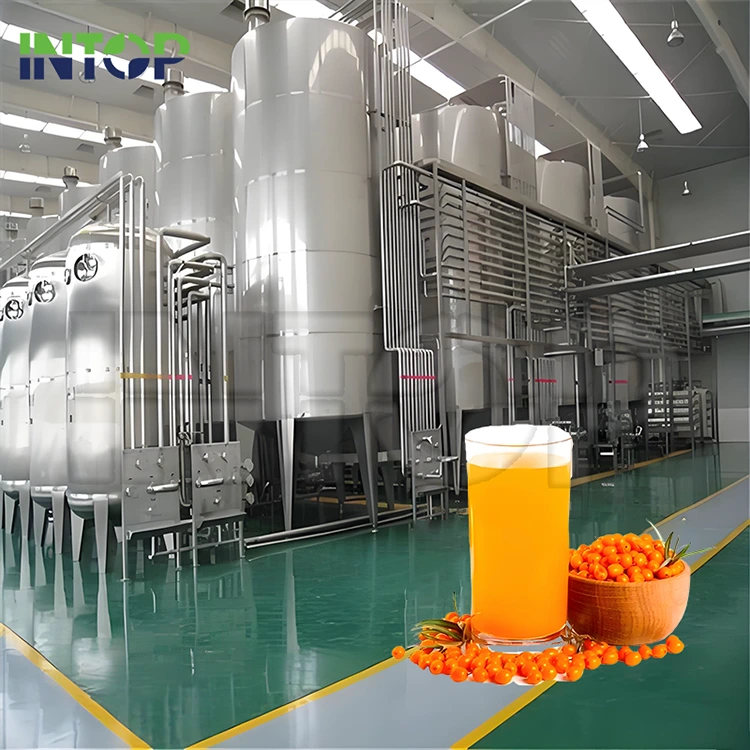
As a popular drink, the production process of juice beverages is crucial to the quality and taste of well-known products. This article will provide a detailed introduction to the main technological processes of the juice beverage production line, including raw material selection, pretreatment, juicing, clarification and filtration, blending, homogenization and degassing, sterilization and cooling, filling and packaging, and other steps.


1. Raw material selection


The selection of raw materials for juice beverages is a high-quality step and also the most crucial one. High-quality fruit raw materials can enhance the taste and nutritional value of the final product. When making a choice, factors such as the freshness, ripeness and absence of pests and diseases of the fruits should be taken into consideration. Common fruit ingredients include apples, oranges, grapes, strawberries, etc.


2. Pretreatment


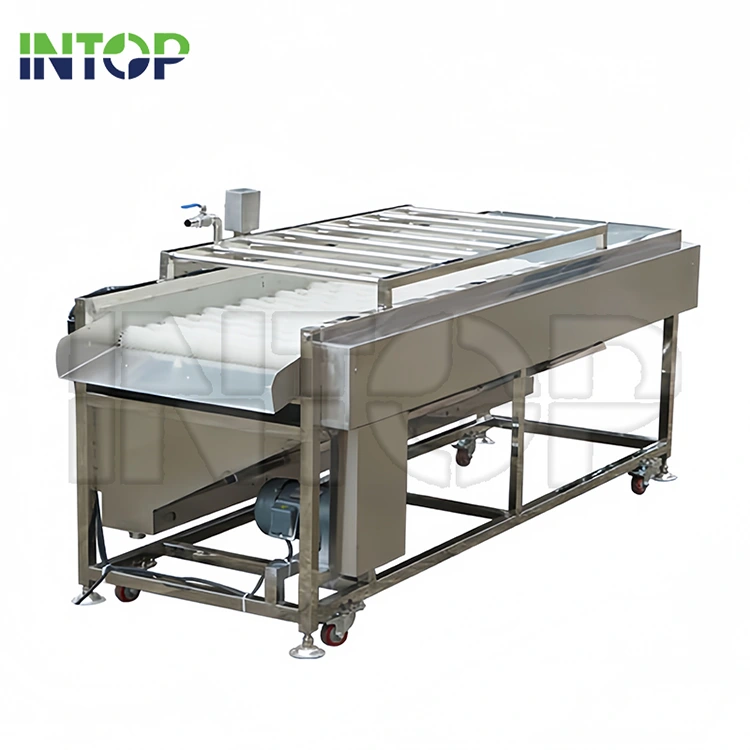
Pre-treatment is to ensure that the fruit reaches a popular state before juicing. This includes steps such as cleaning, peeling, pitting and cutting into pieces. Washing can remove dirt and pesticide residues on the surface of fruits. Peeling and pitting are to ensure the smooth operation of the juicer, and cutting into pieces is to facilitate subsequent juicing operations.


3. Juicing


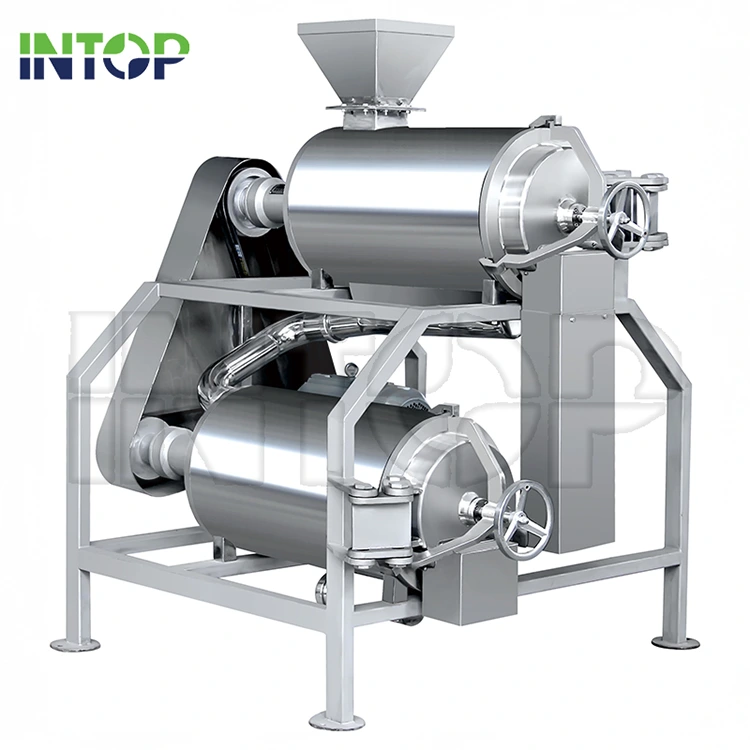
Juicing is the process of extracting the juice from fruits. There are two commonly used types of juicers: centrifugal and pressing. Centrifugal juicers are suitable for softer fruits, while press juicers are suitable for harder fruits. During the juicing process, it is important to control the speed and pressure of the juicer to ensure the quality and taste of the juice.


4. Clarification and filtration


The juice obtained after juicing usually contains impurities such as pulp particles and fibers, and needs to be clarified and filtered. Clarification is achieved by allowing impurities to settle through standing, while filtration is carried out by removing impurities through a filter screen or a centrifuge. This step can ensure the clarity and taste of the juice.

5. Blending

Blending is the process of mixing fruit juice with other raw materials according to the product formula. Common blending ingredients include sugar, acid, flavoring, etc. When blending, it is necessary to pay attention to controlling the proportion of various raw materials to ensure the taste and nutritional value of the product.


6. Homogenization and degassing


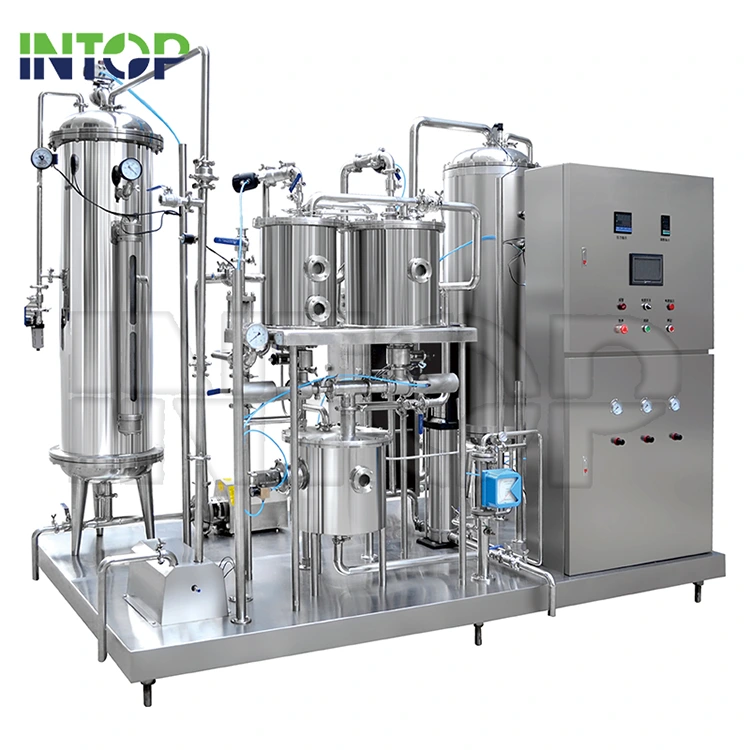
Homogenization involves subjecting the mixed juice to high-pressure treatment to refine the pulp particles and fibers, thereby enhancing the uniformity of the taste. Degassing is to remove the oxygen from the juice, prevent oxidation reactions during storage, and maintain the freshness and taste of the juice.


7. Sterilization and cooling


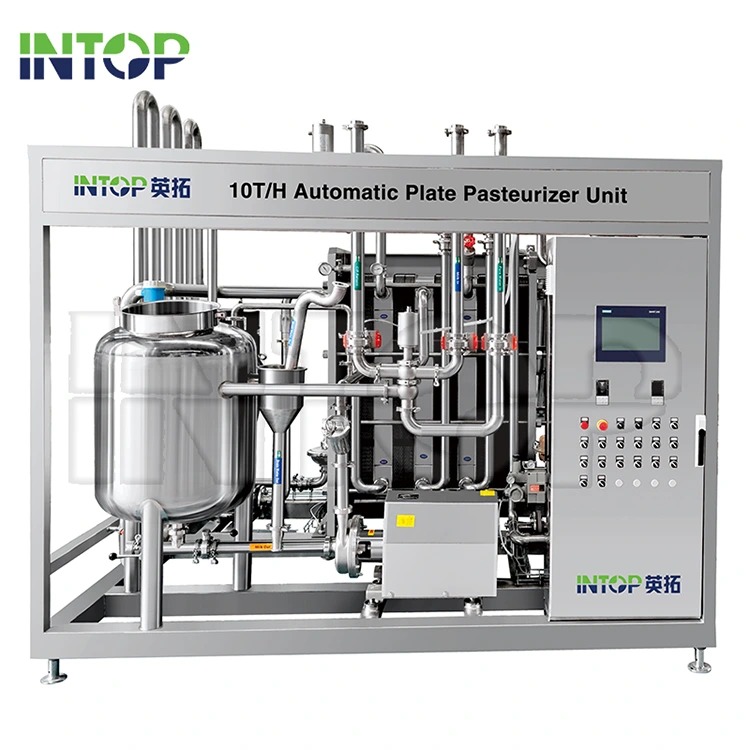
Sterilization is to ensure the hygiene and safety of fruit juice beverages. The commonly used sterilization methods include pasteurization and ultra-high temperature instantaneous sterilization. Pasteurization involves heating fruit juice to a certain temperature and maintaining it for a period of time to kill most of the bacteria. Ultra-high temperature instantaneous sterilization involves heating the juice to a very high temperature in an extremely short period of time and then rapidly cooling it to kill all bacteria. After sterilization, the juice needs to be cooled down quickly to prevent the loss of nutrients and changes in taste.


8. Filling and packaging


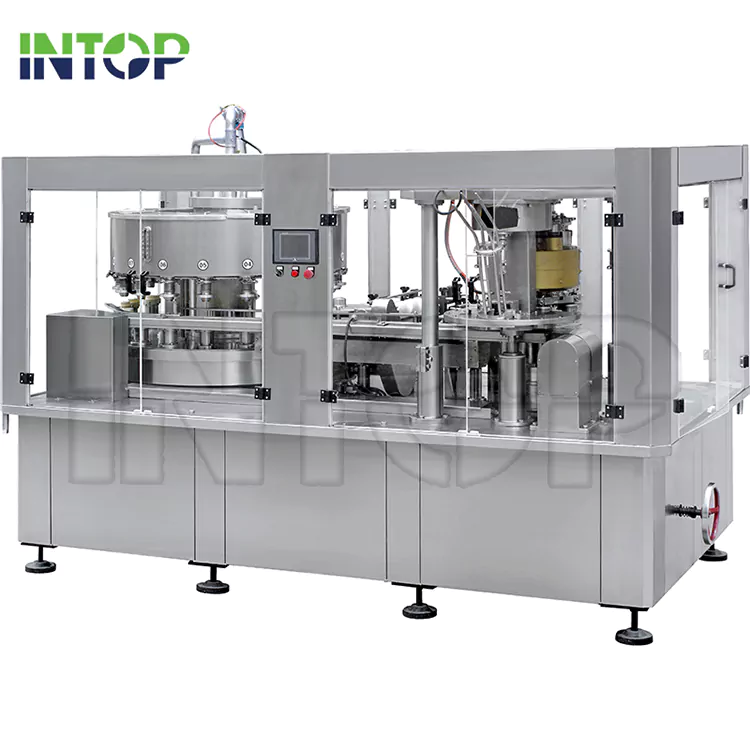
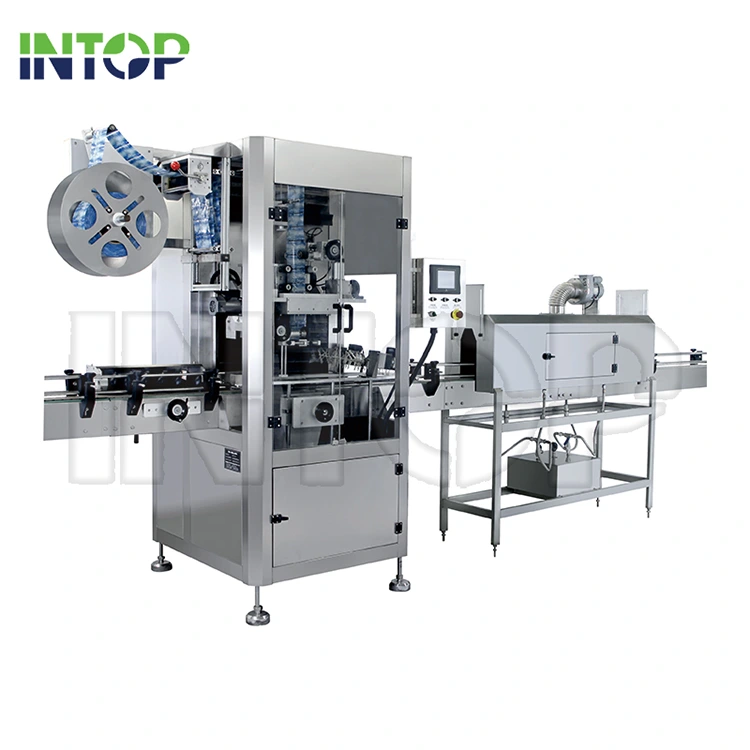
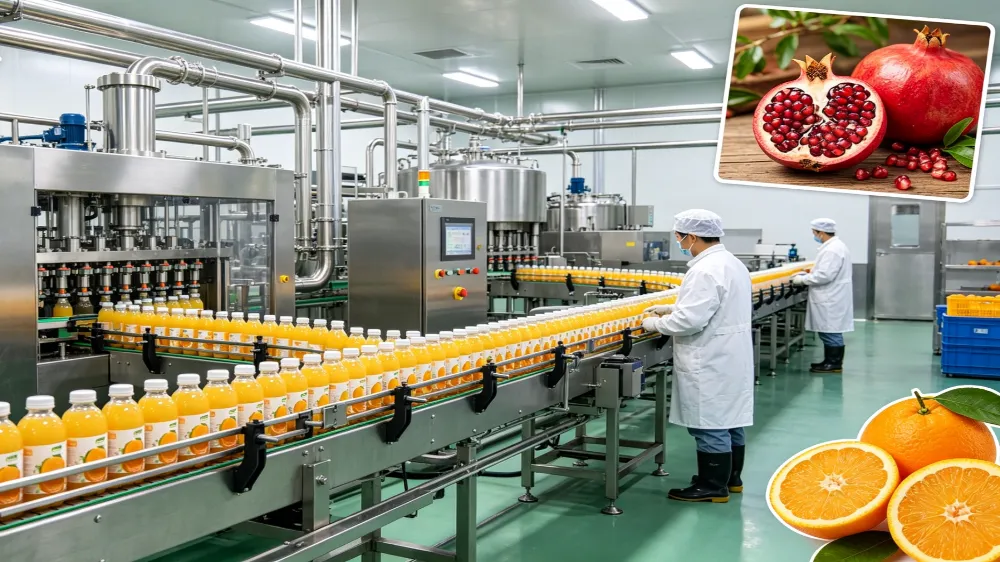
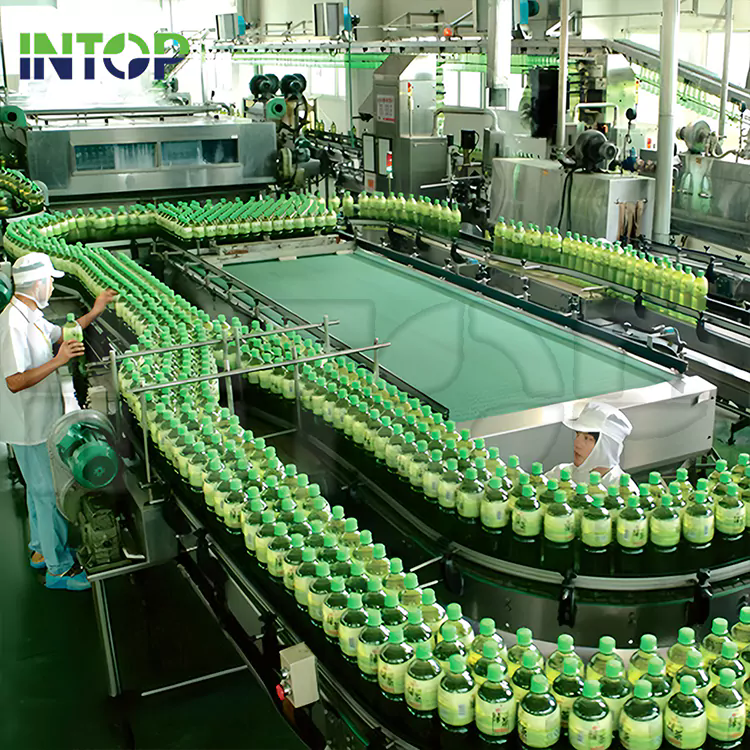
Filling is the process of pouring sterilized and cooled juice into containers such as glass bottles, plastic bottles or cans. The selection of packaging materials should be determined based on the positioning of the product and market demand. During the packaging process, it is necessary to pay attention to controlling the filling volume, sealing quality and label application, etc., to ensure the appearance and quality of the product.


In summary, the production process of fruit juice beverages includes steps such as raw material selection, pretreatment, juicing, clarification and filtration, blending, homogenization and degassing, sterilization and cooling, filling and packaging. Each step requires strict control of operation parameters and quality standards to ensure the taste and nutritional value of the final product. A reasonable technological process and advanced production equipment are also the keys to the quality and output of well-known products.


Related News
Leave me a message
X
We use cookies to offer you a better browsing experience, analyze site traffic and personalize content. By using this site, you agree to our use of cookies. Privacy Policy
RejectAccept